


Steel Metal Chainmail for Industrial Risk Reduction
Steel Metal Chainmail for Industrial Risk Reduction
When purchasing chainmail for protection or display, I often struggle to know which products are genuinely high-quality. How can I tell if a piece will hold up under pressure or if it’s just a decorative imitation? This is a question that many buyers, whether for industrial, cosplay, or historical purposes, face regularly. The risks of purchasing low-quality chainmail can be far more serious than a mere aesthetic disappointment; in some cases, it could lead to safety issues or wasted investment.
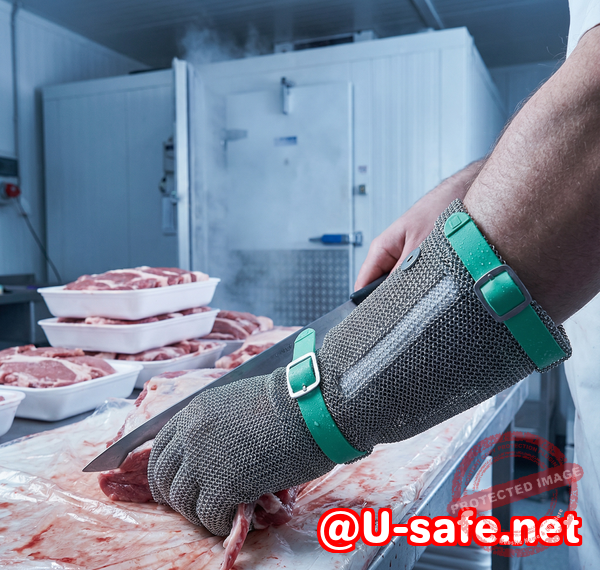
In this article, I’m going to walk you through how to identify the key factors that determine chainmail qualitythings like welded rings, material types, wire thickness, and weave patterns. With the right guidance, you’ll know how to spot subpar products and avoid costly mistakes, ensuring that your chainmail, whether for protection or display, stands the test of time and use.
Common Challenges When Evaluating Chainmail Quality
If you’ve ever purchased chainmail, you probably know how challenging it can be to distinguish between a solid, durable product and something that’s best left on the shelf. Below, I’ll share some of the most common pain points buyers face:
1. Welded Rings vs. Open Rings
One of the biggest challenges is understanding the difference between welded rings and open rings. At first glance, it can be hard to tell, but welded rings offer significantly better strength and durability than open ones. Open rings are simply connected by a link, while welded rings are permanently fused, making them far more secure. A chainmail product with open rings will be more prone to coming apart or losing its integrity under stress.
2. Choosing the Right Stainless Steel Grade
When it comes to stainless steel, not all grades are created equal. The two most common grades for chainmail are 304 and 316. While 304 is good for most general purposes, 316 offers superior resistance to corrosion and is ideal for environments where the chainmail will be exposed to moisture or chemicals. The challenge is knowing how to identify which grade you’re getting, especially since many manufacturers don’t provide clear labeling.
3. Weak or Inconsistent Weaves
Another common issue is weak or inconsistent weaves. Chainmail that’s woven improperly or with inconsistent tension won’t perform as well and can easily break. For example, if the rings are too loosely connected or the weave pattern is flawed, it can cause a weak spot that compromises the overall integrity of the chainmail.
How Aegimesh Chainmail Helps You Avoid Low-Quality Products
At Aegimesh, we understand how important it is to make informed decisions when purchasing chainmail, whether for industrial protection or a cosplay project. That’s why we’ve put together a comprehensive guide to help buyers like you assess the quality of chainmail before making a purchase.
Let’s walk through the key elements to inspect when evaluating chainmail.
1. Checking the Material: 304 vs. 316 Stainless Steel
The first step in evaluating chainmail quality is determining the material it’s made from. Stainless steel is the most commonly used material for chainmail, but it comes in different grades. The two most relevant grades for chainmail are 304 and 316.
-
304 Stainless Steel: This is the most common grade and is suitable for most general uses, like cosplay and decorative purposes. However, it doesn’t resist corrosion as well as 316.
-
316 Stainless Steel: This is the superior choice for industrial and food-grade chainmail because of its enhanced corrosion resistance. If you’re working in environments where moisture, chemicals, or extreme temperatures are a factor, 316 is the best option.
To check for the grade, look at product descriptions or consult the manufacturer. Some sellers might provide this information, but it’s not always guaranteed. If you’re uncertain, ask for a detailed breakdown or inspection report from the supplier.
2. Inspecting the Ring Type: Welded vs. Open Rings
A simple yet effective way to assess chainmail quality is by examining the rings. Look closely to see whether they’re welded or open. A welded ring will be much stronger and more durable than an open ring. Here’s how to spot the difference:
-
Welded Rings: They will appear to be seamless, with no visible gap between the ends of the ring. These are a sign of high-quality chainmail, as the weld creates a permanent bond that is resistant to coming apart.
-
Open Rings: These will have a visible gap where the ends of the ring meet, held together by a small link. This type of ring is less durable and can break or come undone with use.
A simple visual inspection should tell you which type of ring you’re dealing with. If you’re buying chainmail for protection (say, for industrial work or food handling), make sure to choose a product made from welded rings.
3. Evaluating Wire Thickness and Ring Diameter
The thickness of the wire and the diameter of the rings play a crucial role in determining chainmail’s strength and flexibility. Thicker wire and smaller ring diameters usually mean stronger chainmail.
-
Wire Thickness: If the wire is too thin, it may not provide enough protection, especially in high-risk environments. On the other hand, wire that’s too thick can make the chainmail rigid and uncomfortable to wear.
-
Ring Diameter: Smaller rings offer better protection as they create more contact points, preventing cuts or damage from reaching the wearer’s skin. For industrial applications, the ring diameter should be small enough to provide a dense, tight weave.
When inspecting chainmail, look for a balance between wire thickness and ring diameter. For example, the Aegimesh chainmail product line is carefully crafted to ensure optimal strength while maintaining flexibility for comfort and durability.
4. Weave Pattern and Strength
The weave pattern is also critical when assessing chainmail quality. The most common weave for industrial-grade chainmail is the European 4-in-1 pattern, which provides excellent protection without compromising flexibility.
In a European 4-in-1 weave, each ring is woven through four other rings, creating a tight, durable structure. If the weave pattern is inconsistent or the rings are poorly aligned, the chainmail will be less effective at providing protection.
You can usually check the weave by simply looking at the overall structure. If the rings appear misaligned or the weave seems uneven, the chainmail may not hold up as well in high-stress situations.
5. Performing a Simple Pull Test
One quick way to evaluate chainmail is to perform a simple pull test. Gently pull on the chainmail, particularly at the seams or joints where the rings meet. If any of the rings start to come apart or show signs of weakness, it’s a sign that the product may not be up to standard. High-quality chainmail should be able to withstand moderate stress without any rings breaking or bending.
Why These Steps Matter: The Benefits of Proper Inspection
By following these inspection methods, you ensure that your chainmail will meet the necessary safety and durability standards for your intended use. This is especially important for industrial applications, food processing, or even cosplay, where the wear and tear on the material can vary greatly.
For example, industrial workers relying on chainmail for cut-resistant protection need a product that won’t fall apart under pressure. Decorative chainmail for cosplay should still be durable enough to withstand movements and wear during events. Ensuring you buy a product that’s made with proper materials and craftsmanship helps you avoid:
-
Unsafe chainmail that could fail in high-risk environments.
-
Low-quality products that could cost you money and time due to early wear and tear.
-
Inconsistent craftsmanship that could result in weak points, making the chainmail unsafe to wear or use.
Conclusion: How to Make Informed Chainmail Purchases
When buying chainmail, whether for industrial protection or a cosplay project, it’s crucial to know what to look for. Always check the material, ring type, wire thickness, ring diameter, and weave pattern to ensure you’re getting a high-quality product. I highly recommend following these steps to ensure any chainmail purchase meets safety and durability standards.
If you’re ready to take the guesswork out of chainmail purchases, learn more about identifying high-quality chainmail products. Check out our detailed chainmail inspection guide today!
Preguntas frecuentes
1. How can I tell if a chainmail ring is welded or open?
-
Look closely at the ends of the rings. Welded rings will appear seamless, while open rings will have a visible gap.
2. Which stainless steel grade is best for long-lasting chainmail?
-
316 stainless steel is ideal for high-corrosion resistance, especially in industrial and food-processing environments. 304 stainless steel is more common and suitable for general purposes.
3. How do I inspect the weave pattern for strength?
-
Look for a consistent weave pattern like the European 4-in-1. Misaligned or poorly constructed weaves will compromise the strength of the chainmail.
4. What are the signs of low-quality or unsafe chainmail?
-
Signs include inconsistent ring welding, thin wire, large ring diameters, and poor weave patterns. A quick pull test can also reveal weak spots.
5. Can decorative chainmail be used for protective purposes?
-
Decorative chainmail, often made with open rings and thinner wire, is generally not suitable for protection. If protection is needed, choose high-quality, welded ring chainmail made with thick wire and tight weaves.
6. How do I choose the right chainmail for industrial vs. cosplay use?
-
For industrial use, focus on durability, welded rings, and stainless steel grades like 316. For cosplay, aesthetics may be more important, but ensure the chainmail still has a strong weave and durable rings





 한국어
한국어  Русский
  Deutsch
  العربية