


Steel Metal Chainmail Cleaning Tools and Methods
Steel Metal Chainmail Cleaning Tools and Methods
When you’re investing in chainmail for protection, display, or cosplay, it can be difficult to know which products are truly high-quality and which might disappoint in both durability and safety. I’ve been there myself, looking through online catalogs or browsing at local stores, feeling overwhelmed by the sheer variety of options available. The stakes are high, especially if you’re relying on chainmail for safety in industrial or food-handling settings, or aiming for an authentic look in your costume.
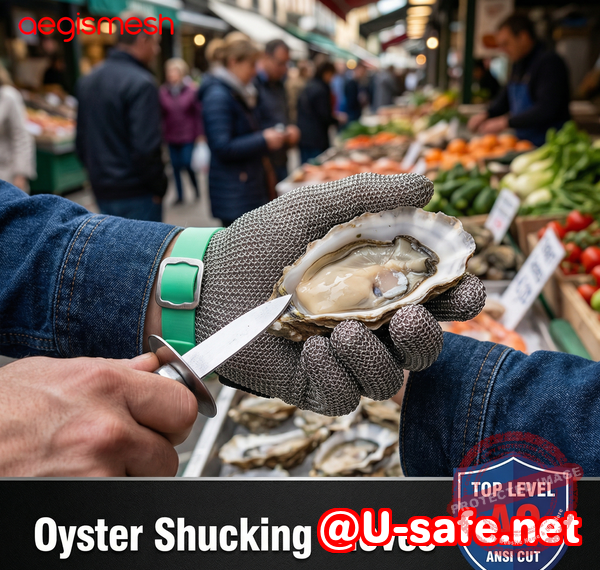
How do you avoid wasting money on low-quality chainmail or, worse, purchasing something unsafe? The key is proper inspection and understanding the materials and craftsmanship that go into a great piece of chainmail. This guide will walk you through the essential cleaning tools and methods for keeping your steel chainmail in top condition, while also offering practical tips for evaluating the quality of your purchase.
The Common Struggles of Evaluating Chainmail Quality
As a buyer or collector, you’re bound to run into a few pain points when trying to identify high-quality chainmail. Here are some of the most common challenges people face:
-
Welded vs. Open Rings: Many chainmail products use open rings, which are less durable than welded rings. This subtle difference can make a huge impact on the product’s overall strength.
-
Stainless Steel Confusion: Stainless steel is widely used in chainmail, but not all steel is created equal. Some grades, like 304, are more susceptible to corrosion than others, such as 316, which is designed for tougher conditions.
-
Weak Weaves: The strength of the chainmail isn’t just about the material; it also comes down to the weave. Weak weaves can compromise the protective qualities of the product.
Understanding these issues can save you from buying a chainmail piece that looks great but falls short in terms of performance. Whether you’re buying for industrial use or just as a decorative piece for cosplay, you need to know what to look for in order to make an informed decision.
How to Inspect and Identify High-Quality Chainmail
Before you make a purchase, it’s crucial to know how to inspect the chainmail properly. Here’s a straightforward guide to help you evaluate what you’re buying:
1. Check the Material
The first thing to check is the material of the chainmail. Most high-quality chainmail products will be made from stainless steel, but there are different grades to consider. The two most common types of stainless steel used in chainmail are 304 and 316.
-
304 Stainless Steel: This is the most common and is resistant to corrosion in general environments. However, it may not be the best choice for harsh conditions like food handling or industrial work environments.
-
316 Stainless Steel: This type is more resistant to corrosion, especially in environments exposed to salt or chemicals. If you’re buying chainmail for industrial use or food processing, 316 is a better choice.
2. Inspect the Ring Welding
A crucial detail when evaluating chainmail is whether the rings are welded or open. Welded rings are much stronger and more durable than open rings, which can come undone more easily. To check if the rings are welded:
-
Look for a visible seam or join in the ring. If the rings are properly welded, you should see a clean, smooth connection where the ends of the rings meet.
-
Run your fingers along the rings. If they feel rough or you notice any areas where the wire is separating, the ring may not be welded.
3. Assess Wire Thickness and Inner Diameter
The thickness of the wire used in chainmail plays a big role in determining its durability. If the wire is too thin, the chainmail may not offer adequate protection. Similarly, the inner diameter of the rings affects how tightly the weave fits together, which impacts both strength and flexibility.
Here’s what you should check:
-
Wire Thickness: Look for a wire that feels solid but not too light. A good-quality chainmail will have wire that’s thick enough to provide protection but not so thick that it becomes uncomfortable or too heavy.
-
Inner Diameter: Check the size of the rings. If the inner diameter is too large, the weave will be looser, which compromises the chainmail’s overall strength.
4. Examine the Weave Pattern
The pattern of the chainmail weave is another critical factor in determining strength. Common weaves like European 4-in-1 and 4-in-2 are preferred for their strength and durability. The European 4-in-1 pattern, for instance, interlocks each ring with four others, creating a strong, tight weave that’s ideal for protection.
You should inspect the weave closely:
-
Is the pattern consistent throughout the chainmail? Inconsistent weaving or rings that aren’t locked in place can weaken the structure.
-
Make sure the weave is tight and even, with no gaps that could lead to unraveling.
5. Perform the Pull Test
If you’re able to test the chainmail before purchasing it, a simple pull test can reveal a lot about its quality. Grab a section of the chainmail and pull it apart with moderate force. A high-quality piece should resist pulling and feel solid. If you’re able to stretch it too easily or pull rings apart, it’s a sign that the chainmail is not made well.
6. Look for Signs of Corrosion or Poor Craftsmanship
Even stainless steel can corrode over time, especially if it’s not properly cared for or if it’s of lower quality. When inspecting a piece of chainmail, look for any signs of rust or discoloration. Additionally, check for any sharp edges or rough spots that could cause injury.
Why Proper Inspection Matters
Proper inspection isn’t just about making sure you get your money’s worth. It’s about ensuring that your chainmail is safe and fit for purpose. Here’s how it helps:
-
Safety: Poorly made chainmail, especially in industrial settings, can fail when it’s needed most. Inspecting the material, welds, and weave ensures that you’re not purchasing something that could compromise your safety.
-
Durability: Chainmail is meant to last, but low-quality chainmail can break down quickly. By evaluating wire thickness, ring welding, and weave strength, you can identify products that will stand the test of time.
-
Money-saving: By knowing how to spot poor-quality chainmail, you’ll avoid wasting money on something that doesn’t live up to its promises.
Conclusion: How to Buy High-Quality Chainmail
When shopping for chainmail, I highly recommend following these steps to ensure your purchase meets both safety and durability standards. Whether you need it for industrial protection, food handling, or cosplay, inspecting the material, welds, wire thickness, and weave pattern will save you from making a risky or costly mistake.
Learn more about identifying high-quality chainmail products here. Check out our detailed chainmail inspection guide today.
Preguntas frecuentes
1. How can I tell if a chainmail ring is welded or open?
Look for a smooth, continuous ring with no visible seam. A welded ring will be clean and seamless, while an open ring will have a noticeable gap or uneven ends.
2. Which stainless steel grade is best for long-lasting chainmail?
For long-lasting chainmail, 316 stainless steel is ideal, especially if you’re using the chainmail in harsh environments or for food processing.
3. How do I inspect the weave pattern for strength?
Check the pattern for consistency. Common weaves like European 4-in-1 should be tightly interwoven, with no gaps between rings.
4. What are the signs of low-quality or unsafe chainmail?
Signs include inconsistent weave patterns, rust or corrosion, thin wire, and visible seams in the rings.
5. Can decorative chainmail be used for protective purposes?
While decorative chainmail may look great for cosplay, it often isn’t designed for protection. Always ensure that it meets the necessary standards for strength and durability if you’re using it for safety.
6. How do I choose the right chainmail for industrial vs. cosplay use?
For industrial use, look for 316 stainless steel, welded rings, and a tight weave pattern. For cosplay, lighter options like 304 stainless steel may suffice, but still check for a solid weave and finish.
Tags or Keywords:
-
chainmail quality, welded rings, stainless steel chainmail, cut-resistant chainmail, chainmail inspection, European 4-in-1 weave, chainmail durability
Explore Aegimesh Chainmail Software at: https://www.aegimesh.com/




 한국어
한국어  Русский
  Deutsch
  العربية