


Steel Metal Chainmail and Industrial Risk Management
Steel Metal Chainmail and Industrial Risk Management: How to Choose the Right Chainmail for Safety, Durability, and Performance
When it comes to purchasing chainmailwhether for industrial use, cosplay, or historical reenactmentsthe decision-making process can often feel overwhelming. As a buyer, I’ve faced the same challenge: How do I know if I’m getting high-quality, durable chainmail that’s fit for the purpose? Many of us have fallen into the trap of buying products that either don’t meet expectations or, worse, pose safety risks. If you’ve ever wondered how to identify quality chainmail, you’re not alone. Luckily, there are clear ways to ensure you’re making an informed, safe, and long-lasting purchase.
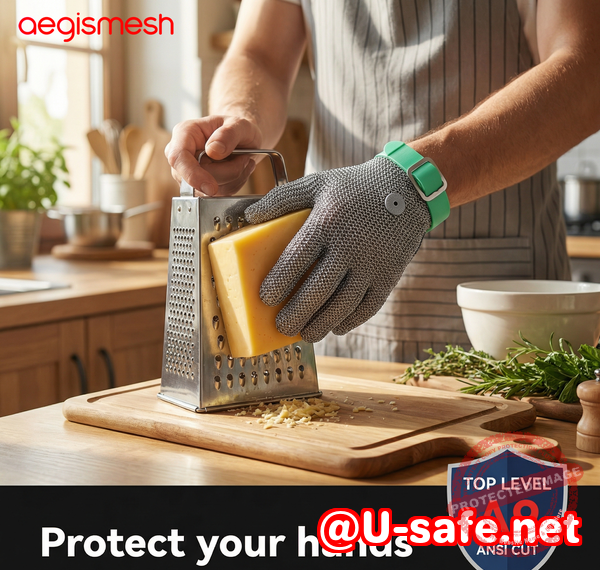
In this article, I’ll walk you through the most effective ways to evaluate chainmail, whether you’re a buyer, collector, or industrial user. Whether you’re protecting yourself from cuts in a high-risk work environment or seeking a visually stunning yet durable piece for cosplay, Aegimesh Chainmail offers a solid guide to making the right choice.
Why Chainmail Quality Matters
Chainmail is widely used across various fieldsfrom industrial cut protection to the intricate art of cosplay. But not all chainmail is created equal. The quality of the material, the welding process, the weave pattern, and the overall durability can vary drastically depending on the manufacturer. Purchasing low-quality chainmail not only means you’re wasting money but could also end up with unsafe productsparticularly in high-risk environments like food processing or industrial workplaces.
Unfortunately, many buyers find themselves unsure how to differentiate high-quality chainmail from cheap imitations. For example, poor welding or weak rings can compromise the effectiveness of the chainmail, leaving you vulnerable to cuts or other safety risks.
Common Chainmail Pitfalls and How to Avoid Them
Let’s take a look at the most common issues I’ve encountered when evaluating chainmail, and how you can avoid them.
1. Distinguishing Welded Rings from Open Rings
One of the first challenges you might face when shopping for chainmail is distinguishing between welded and open rings. While both types look similar at first glance, there’s a crucial difference: welded rings offer superior durability and strength, while open rings are more prone to separation, especially under stress.
Why it matters: If you need chainmail for protective purposes, such as industrial use or food handling, welded rings are the better choice. Open rings, though cheaper, are much weaker and could break under pressure, potentially compromising safety.
Tip: To check if a ring is welded, look closely for a seam where the two ends of the wire meet. A high-quality weld will be clean, smooth, and almost invisible. If the seam is uneven or rough, the rings are likely open.
2. Selecting the Right Stainless Steel Grade
Another challenge is understanding which stainless steel grade is best for your needs. Most chainmail is made from either 304 or 316 stainless steel. Both are corrosion-resistant, but 316 is more durable and offers superior protection in harsh environments like high-heat or food processing.
Why it matters: If you’re using chainmail in a highly corrosive environment (for instance, in food processing), 316 stainless steel is the ideal choice as it resists corrosion more effectively than 304.
Tip: Always check the material specifications of the chainmail you’re buying. If it doesn’t explicitly state the grade of stainless steel, be waryit may not be high enough quality for industrial use.
3. Weak or Inconsistent Weave Patterns
The weave pattern is critical for ensuring the strength and flexibility of the chainmail. European 4-in-1, for example, is one of the most commonly used patterns and is known for its balance of durability and flexibility.
Why it matters: A weak or inconsistent weave pattern can compromise the entire structure of the chainmail, leading to an increased risk of breakage under pressure.
Tip: To inspect the weave pattern, lay the chainmail flat and examine the rings. The European 4-in-1 weave should have four rings passing through each central ring, forming a consistent, tight pattern.
How to Inspect Chainmail for Quality
The good news is, inspecting chainmail for quality is straightforward once you know what to look for. Here are a few practical steps you can follow to ensure the chainmail you’re buying is top-notch.
1. Check the Material Type (304 vs 316 Stainless Steel)
First, always check the material type. 316 stainless steel is more resistant to corrosion, making it ideal for environments with exposure to harsh chemicals or moisture. 304 stainless steel is still strong and resistant to rust but doesn’t stand up to extreme conditions as well.
2. Examine the Ring Welding
As mentioned earlier, welded rings are essential for durability. Inspect the rings closely to ensure they’re welded properly. A high-quality welded ring should have a seamless, smooth finish. If the welding is rough or uneven, it might be an open ring that can be prone to breaking.
3. Inspect the Wire Thickness and Inner Diameter
The thickness of the wire and the diameter of the rings are crucial factors that determine the strength of the chainmail. Thicker wires and smaller inner diameters tend to offer better protection and durability. Ensure the wire is thick enough to provide the necessary resistance, particularly if you’re using the chainmail for cut-resistant protection.
4. Assess the Weave Pattern
The European 4-in-1 weave is known for being both strong and flexible. Check the pattern to ensure that each ring interlocks consistently with the other rings. Any irregularities or gaps could indicate poor craftsmanship.
5. Perform a Pull Test
A simple pull test can help you evaluate the strength of the chainmail. Gently tug on a few rings to check if they hold together. If the rings move or the chainmail feels flimsy, it’s likely of low quality.
6. Check for Corrosion or Damage
Inspect the chainmail closely for signs of corrosion or other damage. Rust or discoloration is a clear indication that the material may not be stainless steel or that it’s been improperly treated. The chainmail should be smooth and shiny without any visible rust or pits.
Why Proper Chainmail Inspection Matters
Proper inspection ensures that you avoid purchasing chainmail that could be unsafe, particularly in high-risk industrial settings. Chainmail that’s poorly constructed can break down over time, compromising safety. On the other hand, by following these inspection methods, you can identify durable, safe chainmail that will stand the test of time.
Whether you’re using the chainmail for food handling, industrial work, or cosplay, making the right choice will save you money in the long run and prevent potential accidents.
Conclusion: Make Informed Chainmail Purchases
In conclusion, chainmail can be a great investment for safety, durability, and aesthetic purposesbut only if you know how to identify quality products. By following the inspection methods outlined above, you’ll be able to identify high-quality chainmail that meets your needs, whether for industrial cut protection, cosplay, or historical replicas.
I highly recommend following these steps to ensure any chainmail purchase meets safety and durability standards. Doing so will not only save you money but also help you make informed, safe choices when buying chainmail products.
Learn more about identifying high-quality chainmail products: Aegimesh Chainmail Guide. Check out our detailed chainmail inspection guide today.
FAQ
How can I tell if a chainmail ring is welded or open?
A welded ring will have a smooth, nearly invisible seam where the ends of the wire meet. Open rings will have a noticeable gap between the ends.
Which stainless steel grade is best for long-lasting chainmail?
For industrial or high-moisture environments, 316 stainless steel is ideal as it resists corrosion better than 304 stainless steel.
How do I inspect the weave pattern for strength?
Examine the rings closely to ensure they form a consistent, tight pattern, like the European 4-in-1 weave, which is both strong and flexible.
What are the signs of low-quality or unsafe chainmail?
Signs include poor welds, irregular weave patterns, weak rings that easily pull apart, and visible rust or corrosion.
Can decorative chainmail be used for protective purposes?
Not always. Decorative chainmail often uses open rings or thinner wire and may not provide the same level of protection as industrial-grade chainmail.
How do I choose the right chainmail for industrial vs cosplay use?
For industrial use, look for chainmail made from 316 stainless steel with welded rings and a tight, consistent weave. For cosplay, decorative chainmail made from 304 stainless steel and open rings may be sufficient if the focus is on appearance over functionality.
Tags or Keywords
-
chainmail quality
-
welded rings
-
stainless steel chainmail
-
cut-resistant chainmail
-
chainmail inspection
-
European 4-in-1 weave
-
chainmail durability




 한국어
한국어  Русский
  Deutsch
  العربية