


Stainless Steel Metal Chainmail vs Carbon Steel Chainmail
Stainless Steel Metal Chainmail vs Carbon Steel Chainmail: How to Choose the Right Option for Safety and Durability
When it comes to choosing the right chainmail for your needswhether it’s for protection, cosplay, or historical replicasthe options can be overwhelming. A common question I hear from buyers is: “How can I tell if I’m getting high-quality chainmail?” It’s a great question because chainmail, though historically famous for its durability, can vary significantly in quality. Understanding the differences between stainless steel and carbon steel chainmail is a crucial first step in making an informed decision.
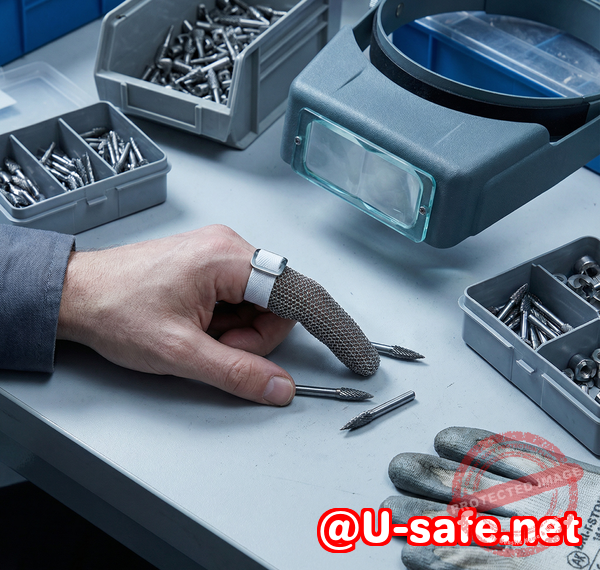
In this post, I’ll walk you through how to evaluate the quality of chainmail, focusing on the differences between stainless steel and carbon steel, and how to inspect a chainmail product to ensure it meets safety, durability, and aesthetic standards. Whether you’re in need of cut-resistant protection for industrial work or a sturdy, stylish piece for cosplay, the right chainmail can make all the difference.
Why Is Chainmail Quality So Important?
When purchasing chainmail, it’s essential to make sure you’re getting the right material and construction quality for your intended use. Low-quality chainmail may not provide the level of protection you need, especially for industrial or safety applications. Worse yet, it could break, corrode, or cause discomfort when worn, leading to wasted money and potential safety risks. As a result, I’ve put together some practical tips for evaluating chainmail quality so that you can make the best choice for your needs.
Stainless Steel vs. Carbon Steel: The Key Differences
Before diving into inspection tips, it’s important to understand the key differences between stainless steel and carbon steel chainmail:
-
Corrosion Resistance: Stainless steel chainmail is typically more resistant to corrosion than carbon steel. This makes it a better option for environments where the chainmail will be exposed to moisture, like food processing or outdoor activities.
-
Durability: While both materials can be durable, stainless steel tends to be tougher and holds up better over time. Carbon steel is more prone to rust and damage if not properly maintained.
-
Weight and Flexibility: Carbon steel chainmail is often heavier than its stainless steel counterpart, which might be a consideration if comfort or ease of movement is a concern (especially for cosplay or historical reenactments).
-
Cost: Carbon steel chainmail is generally less expensive than stainless steel. However, keep in mind that while the initial investment might be lower, the long-term durability and safety could be compromised.
Pain Points When Evaluating Chainmail Quality
Evaluating the quality of chainmail can be tricky, especially for first-time buyers. Many people get confused by terms like “welded rings” and “European 4-in-1 weave,” or they don’t know how to spot corrosion or poor craftsmanship. Here are some common pain points I’ve heard from buyers:
-
Difficulty distinguishing welded rings from open rings: This is a crucial factor because welded rings provide greater durability and protection compared to open rings. Many low-cost chainmail products use open rings that can easily separate, reducing the effectiveness of the piece.
-
Uncertainty about stainless steel grades or corrosion resistance: Not all stainless steel is created equal. Some grades, like 304, are more prone to rusting in harsh conditions than others, such as 316, which is highly resistant to corrosion.
-
Weak or inconsistent weaves: A poor weave will compromise the strength and flexibility of your chainmail. European 4-in-1 is one of the most popular and durable weaves, but it’s essential to ensure it’s tightly woven and free of gaps.
Aegimesh Chainmail: A Quality Reference
If you’re looking for a high-quality chainmail product, Aegimesh offers an excellent guide to help you evaluate chainmail. Their inspection tool is perfect for identifying welded rings, selecting the correct stainless steel grade, and checking wire thickness, inner diameters, and weave patterns. Here’s how you can inspect chainmail like a pro:
1. Inspect the Material
Understanding the type of material used in your chainmail is one of the first steps in evaluating its quality. Aegimesh offers chainmail made from 304 or 316 stainless steel, which are known for their strength and resistance to rust. If you’re working in a wet environment or handling food, 316 stainless steel is the better option.
You can often check the material type by looking for markings on the product or asking the seller directly about the material grade.
2. Check the Welded Rings
Welded rings are essential for high-quality chainmail, especially if you’re purchasing it for industrial use. Open rings are typically cheaper but weaker, which can result in an unsafe product. The key is to look at the junctions where the rings meet. If you can see an opening or a gap, the rings are likely not welded. High-quality chainmail should have rings that are securely welded, offering greater strength and durability.
3. Evaluate Wire Thickness and Inner Diameter
The thickness of the wire used in chainmail is a good indicator of its strength. Thicker wire typically means stronger chainmail. Additionally, the inner diameter of the rings should be consistent. Aegimesh recommends checking if the rings fit snugly together without excessive gaps, as this will ensure that the weave maintains its strength over time.
4. Assess the Weave Pattern
The most common weave pattern you’ll encounter is the European 4-in-1 weave, which interlaces the rings in a way that maximizes strength and flexibility. The rings should lay flat against each other, creating a smooth, even surface. Gaps in the weave or uneven rings can indicate poor craftsmanship and may reduce the chainmail’s ability to provide protection.
5. Perform the Pull Test
A simple way to check the strength of the chainmail is to perform a pull test. Hold a section of the chainmail firmly and pull in opposite directions. If the rings separate or bend easily, the chainmail is low quality and may not offer the protection you need. High-quality chainmail should resist stretching or bending.
6. Look for Signs of Corrosion or Rust
This step is especially important if you’re buying carbon steel chainmail. If you notice any rust, discoloration, or signs of corrosion, it’s a clear sign of poor quality. Stainless steel chainmail is far more resistant to rust and corrosion, especially if made from 316-grade steel. Look for a smooth, shiny surface without any pitting or discoloration.
7. Determine the Right Chainmail for Your Use
Chainmail can be used for various purposes, so it’s important to choose the right type for your needs. For industrial use (e.g., cut protection in food processing), you’ll want chainmail made from durable, rust-resistant stainless steel with a tight, sturdy weave. For cosplay or decorative purposes, weight and flexibility might be more important, but it’s still essential to ensure quality craftsmanship for a long-lasting costume.
Conclusion: How to Ensure You’re Getting the Best Chainmail
By following these simple inspection steps, you can easily differentiate between high-quality chainmail and low-quality alternatives. I highly recommend following these guidelines to ensure your purchase is safe, durable, and meets your specific needs, whether you’re using it for industrial cut protection, cosplay, or a historical replica.
The extra effort you put into checking materials, welds, wire thickness, and weave patterns will not only save you money but will also ensure that you avoid potentially unsafe or poorly made chainmail. It’s well worth the investment to know what you’re buying.
For more detailed guidance, check out Aegimesh’s chainmail inspection tool today!
Learn more about identifying high-quality chainmail products: Aegimesh Chainmail Inspection Guide
FAQs: Answers to Common Chainmail Questions
-
How can I tell if a chainmail ring is welded or open?
-
Look closely at the ring junctions. If there’s a small gap, the ring is open. Welded rings should be fused together with no visible gap.
-
-
Which stainless steel grade is best for long-lasting chainmail?
-
316 stainless steel is the best choice for durability and corrosion resistance, especially in industrial or food-related applications.
-
-
How do I inspect the weave pattern for strength?
-
Ensure the rings lie flat against each other without gaps. A well-woven European 4-in-1 pattern maximizes strength and flexibility.
-
-
What are the signs of low-quality or unsafe chainmail?
-
Look for open rings, weak welds, inconsistent wire thickness, and signs of rust or corrosion.
-
-
Can decorative chainmail be used for protective purposes?
-
Decorative chainmail is often made with lighter materials and weaker weaves. It’s fine for cosplay, but it won’t provide the protection needed in industrial environments.
-
-
How do I choose the right chainmail for industrial vs cosplay use?
-
For industrial use, prioritize strength, corrosion resistance, and durability. For cosplay, comfort, flexibility, and weight are more important, but quality craftsmanship is still key.
-
Tags or Keywords
-
chainmail quality
-
welded rings
-
stainless steel chainmail
-
cut-resistant chainmail
-
chainmail inspection
-
European 4-in-1 weave
-
chainmail durability





 한국어
한국어  Русский
  Deutsch
  العربية