


Stainless Steel Chainmail for Ultimate Protection in High-Risk Environments
Stainless Steel Chainmail for Ultimate Protection in High-Risk Environments
When you’re shopping for chainmail, whether for protection, cosplay, or display, the choices can be overwhelming. I’ve often found myself standing in front of a selection of chainmail products, unsure of how to tell the difference between a high-quality piece that will stand the test of time and something that’s flimsy or poorly made.
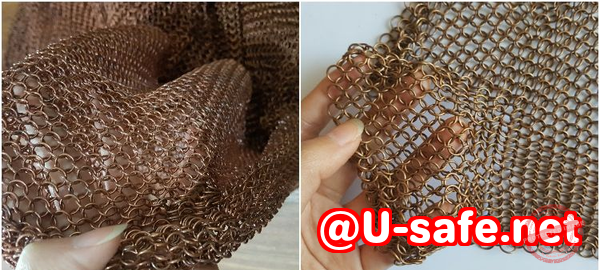
If you’re like me, you’ve probably wondered: “How can I be sure this chainmail is durable enough for real protection? Will it last through everyday wear or get rusty after a few uses?” If you’ve ever asked yourself these questions, you’re not alone. The truth is, many people struggle to identify quality chainmail, especially with so many options available that promise a range of benefits, from protection to historical accuracy.
In this guide, I’ll walk you through how to evaluate chainmail, from checking the material to inspecting the weave pattern. We’ll cover the essential steps to help you avoid buying low-quality products and make sure you invest in chainmail that’s genuinely built to lastwhether you need it for industrial cut protection, food handling, or as a cosplay accessory.
Common Chainmail Problems to Watch For
Before diving into how to inspect chainmail, let’s talk about some of the issues buyers typically face. If you’re considering chainmail for protection, durability, or cosplay, you’ll want to be aware of these common pain points:
-
Welded vs. Open Rings: Not all chainmail rings are created equal. Some manufacturers use open rings, which can be weaker and more prone to damage, while others use welded rings, which provide stronger protection. It’s important to know how to tell the difference.
-
Stainless Steel Grades: There are different grades of stainless steel used in chainmail, and some are more resistant to corrosion than others. For example, 316 stainless steel is known for its corrosion resistance, making it ideal for environments where exposure to moisture or harsh chemicals is common. On the other hand, 304 stainless steel may not perform as well in these conditions.
-
Weak or Inconsistent Weaves: The pattern and quality of the weave affect the durability and protection level of the chainmail. Weaves like the European 4-in-1 are highly regarded for their strength, but not all chainmail is woven with the same care. A poor weave could lead to gaps or weak spots, compromising the protection.
How to Inspect Chainmail for Quality
So, how can you tell if the chainmail you’re looking at is of good quality? Here’s a step-by-step guide to help you out. By checking the material, welds, wire thickness, and weave pattern, you’ll be able to evaluate whether the chainmail is durable and safe for your intended use.
1. Material Type: 304 vs. 316 Stainless Steel
The first thing you should do when inspecting chainmail is to check the material. Stainless steel is the most common material used for chainmail, but not all stainless steel is the same.
-
304 Stainless Steel: While this is a high-quality material, it is prone to corrosion over time, especially in environments with high moisture or salt content.
-
316 Stainless Steel: This grade of stainless steel is much more resistant to corrosion. It’s ideal for environments where chainmail will be exposed to moisture, like food handling, or for any kind of protective gear that needs to withstand harsh conditions.
Pro tip: Ask the seller about the grade of stainless steel used. If they don’t know or can’t give a clear answer, it might be a red flag.
2. Welded vs. Open Rings
Next, take a close look at the rings used in the chainmail. The best-quality chainmail uses welded rings. These rings are heated and fused together to form a solid, durable connection. Open rings, on the other hand, are simply linked together without being welded, which can make the weave weaker and more prone to breaking over time.
Here’s a quick way to test if the rings are welded:
-
Gently press on a ring: If it feels solid and doesn’t move when pressed, it’s likely welded.
-
Check for gaps: Sometimes, open rings have slight gaps at the point where the ends meet, which is a sign of a weaker weave.
3. Ring Thickness and Inner Diameter
Another thing to look at is the wire thickness and the inner diameter of the rings. Both of these factors affect the strength and flexibility of the chainmail.
-
Wire Thickness: Thicker wire makes for stronger chainmail. A thicker wire can withstand more wear and tear, making it a better choice for industrial applications or protective gear.
-
Ring Diameter: The inner diameter of the rings should match the weave pattern. For example, a European 4-in-1 weave typically uses rings that are slightly larger in diameter to allow for a tight and durable pattern.
If the rings are too small or too large, it could indicate that the chainmail is poorly made or won’t provide the level of protection you need.
4. Weave Pattern
One of the most critical factors in determining the quality of chainmail is the weave pattern. The most common and reliable weave pattern for strength and durability is the European 4-in-1 weave. This means each ring is woven through four other rings, creating a dense and durable structure.
If you notice that the chainmail you’re looking at is made with a simple 2-in-1 weave or even a 4-in-2 weave, it’s likely not as durable and may not provide the level of protection you need for high-risk environments.
5. Conduct a Simple Pull Test
If you want to get a feel for the chainmail’s durability, try performing a simple pull test. Gently pull on the rings to see if they separate or bend. If the rings shift or break apart easily, the chainmail is likely of low quality.
6. Look for Signs of Corrosion
Corrosion is one of the most common issues with chainmail, particularly if the rings are made from lower-grade stainless steel or are not welded properly. Look for any signs of rust, discoloration, or degradation. This is especially important if you plan to use the chainmail in environments where exposure to moisture is common, like in food processing or industrial settings.
Why Quality Chainmail Matters
You might be wondering, “Why does all this matter? Can’t I just buy any chainmail?” Well, quality chainmail is crucial for a few reasons:
-
Safety: If you’re using chainmail for protectionwhether in industrial settings, food processing, or even historical reenactmentsit’s essential that the chainmail is durable enough to withstand wear and tear. Poorly made chainmail can break, tear, or fail when you need it most.
-
Durability: High-quality chainmail will last much longer, saving you money in the long run. The better the material, welds, and weave, the more reliable the chainmail will be.
-
Functionality: Whether you’re protecting yourself from cuts or using chainmail for cosplay, functionality is key. The wrong type of chainmail can be uncomfortable, impractical, or unsafe.
Conclusion
When purchasing chainmail, it’s crucial to be able to identify high-quality products that will serve you well in the long term. By following these inspection stepschecking the material, inspecting the welds, evaluating the wire thickness, and understanding the weave patternyou can make an informed decision and avoid buying low-quality or unsafe chainmail.
I highly recommend following these steps to ensure any chainmail purchase meets the necessary safety and durability standards. Whether you’re buying chainmail for industrial use, cosplay, or a historical collection, investing in quality products will save you money and provide peace of mind.
For more tips on identifying high-quality chainmail, be sure to check out our chainmail inspection guide today!
FAQ
1. How can I tell if a chainmail ring is welded or open?
You can tell by gently pressing the ring. If it feels solid and doesn’t move, it’s likely welded. Open rings often show a slight gap where the ends meet.
2. Which stainless steel grade is best for long-lasting chainmail?
316 stainless steel is the most durable and corrosion-resistant, making it ideal for environments with high moisture or harsh chemicals.
3. How do I inspect the weave pattern for strength?
Look for a tight European 4-in-1 weave. This weave is known for its strength and durability. If the rings appear loose or poorly interwoven, the chainmail may not be strong enough.
4. What are the signs of low-quality or unsafe chainmail?
Signs include loose rings, poor welds, rust, weak or inconsistent weaves, and thin wire. These defects can compromise the chainmail’s protective qualities.
5. Can decorative chainmail be used for protective purposes?
Decorative chainmail is usually made with thinner wire and open rings, making it less suitable for protection. It’s best for cosplay or display rather than for safety.
6. How do I choose the right chainmail for industrial vs cosplay use?
For industrial use, choose chainmail made from 316 stainless steel with welded rings and a strong weave like European 4-in-1. For cosplay, aesthetics might matter more than durability, but it’s still a good idea to choose a well-made product.
Keywords: chainmail quality, welded rings, stainless steel chainmail, cut-resistant chainmail, chainmail inspection, European 4-in-1 weave




 한국어
한국어  Русский
  Deutsch
  العربية