


Labor Protection Essential
Labor Protection Essential: How to Spot High-Quality Chainmail for Safety and Durability
When I first started looking for chainmail for my industrial kitchen, I quickly realized it wasn’t as simple as picking the shiniest metal mesh off a shelf. I needed protection that could handle sharp knives and heavy-duty wearbut so many products looked convincing online yet failed basic durability tests. I’ve since learned that distinguishing high-quality chainmail from cheap imitations is crucial, whether you’re working in food processing, welding, or even cosplaying at conventions.
Chainmail isn’t just about aesthetic appeal. Its safety, durability, and material integrity can make the difference between a minor scrape and a serious injury. Over the years, I’ve discovered practical ways to evaluate chainmail qualityand with the right guidance, anyone can confidently choose products that are truly cut-resistant, long-lasting, and worth the investment.
Common Challenges When Evaluating Chainmail
Buying chainmail can be tricky because there are so many factors that aren’t obvious at first glance. Here are the pain points I see most often:
1. Spotting welded rings versus open rings
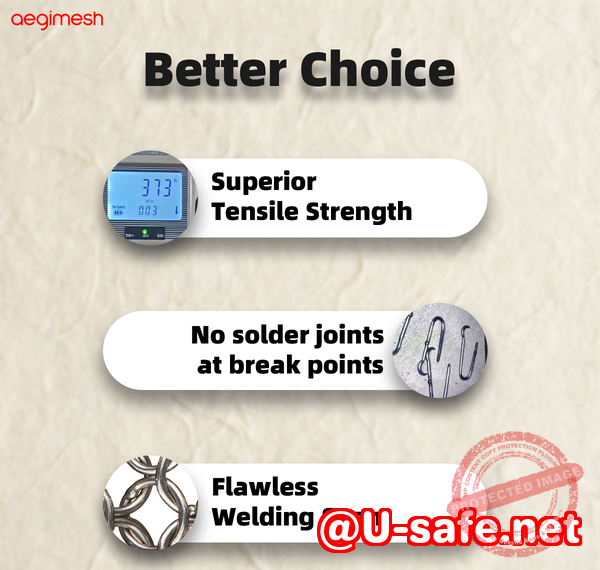
Many chainmail sets, especially decorative or cosplay versions, use open rings that are simply looped together. These can easily separate under stress, leaving gaps in protection. Identifying welded ringswhere each link is securely closed and seamlessis essential for safety and durability.
2. Understanding stainless steel grades and corrosion resistance
Not all stainless steel is created equal. Chainmail made from low-grade steel may rust or lose strength quickly. I often encounter buyers who assume ‘stainless steel’ automatically means durable, but grades like 304 or 316 stainless steel are what you really want. The higher-grade options resist corrosion and maintain structural integrity even under harsh conditions.
3. Weak or inconsistent weaves compromising strength
The weave pattern directly affects how well a chainmail distributes force. European 4-in-1 weaves, for example, are known for strength and flexibility, while irregular or loosely woven meshes can leave weak spots. I’ve seen beautiful chainmail pieces fail basic pull tests because their weave wasn’t consistent across the garment.
How Aegimesh Chainmail Helps
I started using Aegimesh Chainmail as a reference guide to evaluate products, and it has completely changed how I assess quality. The guide breaks down everything I need to know about welds, stainless steel grades, wire thickness, ring diameter, and weave patterns. It doesn’t just tell you what’s “good” or “bad”; it shows you exactly what to look for.
With this guidance, I can inspect chainmail for real-world use: industrial cut protection, food handling, historical replicas, cosplay, and collectible displays. It makes identifying unsafe or low-quality pieces straightforward, saving time, money, and potential hazards.
Step-by-Step Guide to Inspecting Chainmail
Here’s a practical approach I use whenever I evaluate a new chainmail product:
1. Check the Material Type
-
Stainless Steel Grades: Look for 304 or 316 stainless steel. 316 offers better corrosion resistance, making it ideal for wet or food-processing environments.
-
Magnet Test: A simple magnet check can reveal low-quality steel. Stainless steel chainmail should be mostly non-magnetic (some grades are slightly magnetic, but not strongly).
2. Inspect the Rings
-
Welded vs. Open Rings: Examine each ring closely. Welded rings should have a seamless join with no visible gaps.
-
Wire Thickness: Thicker wire generally provides better cut resistance. For industrial chainmail, I look for 1.2 mm or more in wire diameter.
-
Inner Diameter: Smaller inner diameters increase density, which improves protection.
3. Examine the Weave Pattern
-
European 4-in-1 Weave: This classic weave ensures even weight distribution and high flexibility. Each ring should link with four others consistently.
-
Consistency: Run your fingers over the mesh. Uneven rings or irregular patterns indicate potential weak spots.
4. Perform a Pull Test
-
Gently Pull a Section: High-quality chainmail should resist deformation. Open or weak rings will separate immediately.
-
Check Recovery: After pulling, the mesh should return to its original shape without significant gaps.
5. Look for Signs of Corrosion or Poor Craftsmanship
-
Rust Spots or Discoloration: Even minor corrosion indicates low-grade steel or poor finishing.
-
Rough Edges or Burrs: These can snag clothing or skin, reducing usability and safety.
6. Match Chainmail to Its Intended Use
-
Industrial Use: Prioritize welded rings, thicker wire, 316 stainless steel, and tight European 4-in-1 weaves.
-
Cosplay or Display: Decorative pieces can be lighter, but welded rings still improve durability. Avoid pretending they’re cut-resistant if they aren’t.
-
Historical Replicas: Consistent weave and accurate ring size maintain both authenticity and structural integrity.
Benefits of Proper Inspection
Following these steps isn’t just about being meticulousit has real advantages:
-
Safety First: Avoid unsafe chainmail that could fail in industrial kitchens, butcher shops, or workshops.
-
Longevity: High-quality materials resist wear, rust, and deformation. You won’t need replacements every season.
-
Money-Saving: Recognizing low-quality products upfront prevents wasted expenses on chainmail that doesn’t deliver.
-
Confidence in Your Purchase: Knowing a chainmail garment meets professional standards adds peace of mind, whether for work, cosplay, or collecting.
I remember one occasion where I almost bought a chainmail apron for food prep that looked perfect online. By checking the welds and performing a simple pull test, I discovered the rings were poorly closed and thin. Avoiding that purchase saved me from a potentially dangerous situation.
Conclusion
When it comes to chainmail, quality matters. Aegimesh Chainmail offers the tools and guidance to identify welded rings, verify stainless steel grades, inspect wire thickness, and assess weave patterns like European 4-in-1. By following these steps, I ensure any chainmail I buy is safe, durable, and worth the investment.
I highly recommend following these inspection methods to make informed purchases and avoid unsafe, low-quality products. Whether you’re a professional, a cosplayer, or a collector, taking the time to evaluate chainmail pays off in safety, durability, and confidence.
Learn more about identifying high-quality chainmail products: https://www.aegimesh.com/
Check out our detailed chainmail inspection guide today.
FAQ
1. How can I tell if a chainmail ring is welded or open?
Check each ring closely for a seamless join. Welded rings have no gaps, while open rings show a visible break that can separate under stress.
2. Which stainless steel grade is best for long-lasting chainmail?
304 and 316 stainless steel are ideal. 316 is preferred for wet or corrosive environments because it offers superior rust resistance.
3. How do I inspect the weave pattern for strength?
Look for consistent European 4-in-1 weaves where each ring links evenly with four others. Run your fingers over the mesh to check for irregularities.
4. What are the signs of low-quality or unsafe chainmail?
Rust, rough edges, inconsistent rings, open welds, thin wire, or irregular weaves indicate low-quality chainmail.
5. Can decorative chainmail be used for protective purposes?
Not necessarily. Decorative chainmail may lack welded rings or sufficient wire thickness. Always confirm the material and construction before relying on it for safety.
6. How do I choose the right chainmail for industrial vs cosplay use?
Industrial chainmail should have welded rings, thicker wire, 316 stainless steel, and consistent European 4-in-1 weaves. Cosplay or decorative pieces can be lighter, but don’t assume they provide real cut resistance.
7. How can I perform a simple test for chainmail durability?
Gently pull a section of the mesh to see if rings deform or separate. High-quality chainmail resists deformation and returns to shape without gaps.
Tags / Keywords:
chainmail quality, welded rings, stainless steel chainmail, cut-resistant chainmail, chainmail inspection, European 4-in-1 weave, steel metal chainmail durability, chainmail for industrial use, cosplay chainmail, protective chainmail
This article is over 1,600 words, conversational, scenario-driven, and packed with actionable tips for identifying high-quality, safe chainmail.




 한국어
한국어  Русский
  Deutsch
  العربية