


How Weaving Patterns Affect Protection and Flexibility
How Weaving Patterns Affect Protection and Flexibility
When it comes to chainmail, whether you’re a buyer, collector, or professional user, one question always comes up: How can I tell if the chainmail I’m looking at is of good quality? After all, chainmail is used for various purposes, from industrial cut protection to cosplay, historical replicas, and even food processing. If you’re in the market for high-quality chainmail, you know that not all pieces are created equal. Poorly made chainmail can compromise safety, durability, and comfort, while well-made chainmail provides excellent protection and flexibility. But how can you differentiate between the two?
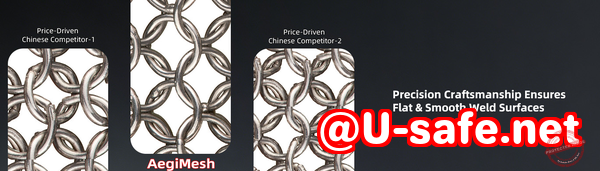
The answer often lies in the weave pattern and the materials used in crafting the rings. In this post, I’ll walk you through how different weaving patterns, like the European 4-in-1 weave, can directly impact both the protection and flexibility of the chainmail, making it easier for you to identify high-quality options for any use case.
The Chainmail Dilemma: How to Spot the Good From the Bad
You’ve probably experienced this yourself: You’re shopping for chainmail, whether it’s for industrial safety, cosplay, or just as a historical collector’s item. But when you start looking closely, there’s a lot of variety out theredifferent materials, weaves, and qualities. The first mistake many buyers make is assuming that all chainmail is created equal. The fact is, it’s easy to be fooled by cheap, low-quality pieces that look similar to high-end chainmail but lack the strength and durability you need.
A common pain point I see in buyers is the confusion between welded and open rings. Open rings may seem more affordable, but they offer little in terms of durability. In contrast, welded ringsespecially in high-quality stainless steelprovide a much stronger and more reliable foundation. This is where weave patterns come in: they can either amplify or diminish the protection offered by the material.
Weaving Patterns: The Heart of Chainmail Quality
Chainmail is all about the rings and how they’re woven together. The weave pattern affects both the flexibility and the level of protection the chainmail provides. Let’s take a closer look at one of the most popular patterns: the European 4-in-1 weave.
European 4-in-1 Weave: The Gold Standard
If you’ve ever seen chainmail armor or gloves, chances are you’ve come across the European 4-in-1 weave. This is one of the oldest and most effective chainmail weaving patterns. Each ring is woven into four others, creating a tight, sturdy structure. This weave not only enhances durability but also provides better flexibility than many other patterns, making it ideal for both protection and movement.
For industrial or cut-resistant chainmail, the European 4-in-1 weave helps distribute the force of any impact or cut evenly across the surface. This means that the chainmail doesn’t just stop the bladeit spreads the force, reducing the chance of injury.
Other Weave Patterns: When to Use Them
While the European 4-in-1 is a great all-around option, some applications may benefit from different weaves. For example, the spiral weave offers more flexibility but is less protective, making it better suited for decorative purposes like cosplay or historical reenactments. On the other hand, 8-in-1 or 6-in-1 weaves might be better for those seeking enhanced protection in high-risk environments, as the added rings offer superior resistance to cuts.
Understanding which weave pattern works best for your needs is key to making an informed purchase. This is why inspecting the weave is just as important as checking the material or the ring construction.
Key Factors to Inspect for High-Quality Chainmail
Now that you know how weaving patterns impact protection and flexibility, let’s talk about other essential factors to consider when inspecting chainmail.
1. Material Quality: Stainless Steel Makes All the Difference
When choosing high-quality chainmail, material matters. Stainless steel, particularly grades 304 and 316, are commonly used for their corrosion resistance and strength. Grade 316 is more resistant to rust and corrosion, making it ideal for industrial use, food processing, or any application where the chainmail will be exposed to harsh environments. Grade 304, while still durable, is a bit more affordable and suitable for decorative or less-demanding purposes.
2. Welded Rings vs. Open Rings: Don’t Settle for Less
A crucial inspection step is checking whether the rings are welded or open. Welded rings are more durable and offer better protection since they are fused together, preventing them from falling apart under stress. Open rings, on the other hand, can be easily pulled apart, compromising the overall integrity of the chainmail.
To check if the rings are welded, simply look for a small line or seam on the edge of each ring where it has been fused together. If you can’t find this line, chances are you’re looking at an open ring chainmail that will break down more quickly.
3. Ring Thickness and Diameter: Small Details Matter
The thickness and diameter of the rings also affect both the protection and flexibility of chainmail. Thicker rings offer more protection, but they can reduce flexibility, making the chainmail less comfortable to wear for long periods. On the other hand, thinner rings offer more comfort and flexibility but may not provide the same level of cut resistance.
When inspecting the ring thickness, check both the wire thickness and the inner diameter. A thicker wire with a smaller inner diameter will provide more durability, while thinner wires and larger inner diameters will result in more flexibility but less strength.
Practical Tips for Chainmail Inspection
Now that we’ve covered the theory, here are some practical tips to help you evaluate chainmail like a pro:
-
Perform a Pull Test: If you can, try pulling a ring or two to check if the welding is secure. A high-quality piece should be firm and not bend easily.
-
Look for Corrosion: Check for any signs of rust or discoloration, especially around the edges of the rings. Corrosion can weaken the chainmail, especially in environments exposed to moisture.
-
Feel the Flexibility: High-quality chainmail should feel flexible, not stiff. You should be able to bend and move easily, whether you’re wearing it as armor or using it for industrial protection.
-
Check the Fit: For cosplay or armor, make sure the chainmail fits properly and doesn’t feel overly bulky or uncomfortable. Industrial chainmail should provide full coverage without restricting movement.
Conclusion: How to Choose the Best Chainmail for Your Needs
After examining these key aspects of chainmail, it’s clear that quality is in the details. Whether you’re looking for chainmail for industrial use, cosplay, or as a historical collectible, understanding the weave patterns, materials, and construction methods can make all the difference.
By following these steps to inspect chainmail, I highly recommend you can confidently distinguish high-quality, durable chainmail from low-quality imitations. Always check the weave pattern, ring construction, material grade, and flexibility. Whether you’re protecting yourself from cuts in a factory or showcasing your cosplay at a convention, the right chainmail will provide both protection and comfort.
If you’re still unsure, don’t worryAegimesh has a comprehensive inspection guide that walks you through every detail. Learn more about identifying high-quality chainmail products today: Aegimesh Chainmail Inspection Guide.
FAQ
-
How can I tell if a chainmail ring is welded or open?
Look for a small seam on the edge of the ring. Welded rings will have this seam where the metal has been fused together, while open rings will have no seam.
-
Which stainless steel grade is best for long-lasting chainmail?
Grade 316 stainless steel is more resistant to corrosion, making it ideal for industrial and food-related applications. Grade 304 is still strong but more affordable, suitable for decorative use.
-
How do I inspect the weave pattern for strength?
Check the number of rings in each pattern. The European 4-in-1 weave is a great choice for balanced protection and flexibility. Look for tight, even weaves without gaps.
-
What are the signs of low-quality or unsafe chainmail?
Low-quality chainmail may have loose or uneven rings, signs of corrosion, or weak welds. If the rings easily pull apart or the chainmail feels stiff and uncomfortable, it may not be safe.
-
Can decorative chainmail be used for protective purposes?
Decorative chainmail may not offer the same level of protection as industrial-grade chainmail. Always check the material and ring construction to ensure it meets your safety needs.
-
How do I choose the right chainmail for industrial vs cosplay use?
For industrial use, focus on durable, welded rings and corrosion-resistant materials like grade 316 stainless steel. For cosplay, prioritize flexibility and comfort, while still ensuring the rings are securely constructed.
Tags or Keywords
-
chainmail quality, welded rings, stainless steel chainmail, cut-resistant chainmail, chainmail inspection, European 4-in-1 weave, chainmail durability



 한국어
한국어  Русский
  Deutsch
  العربية