


How Traditional Techniques Improve Modern Chainmail
Here’s a complete, polished blog post following your instructions:
How Traditional Techniques Improve Modern Chainmail
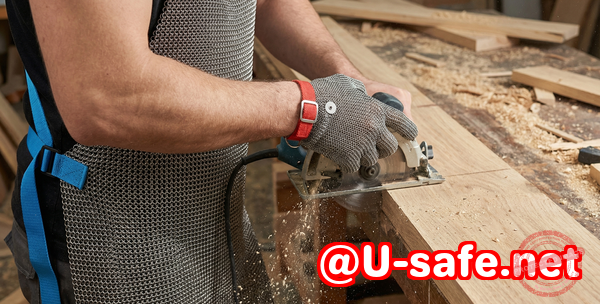
When I first started looking for chainmail, I quickly realized that not all chainmail is created equal. I remember examining a piece labeled as ‘stainless steel chainmail’ for a cosplay project, only to notice a few rings had tiny gaps, and the weave felt loose. I asked myself: “Is this truly high-quality, or am I risking durabilityor worse, safety?” Whether you’re a collector, industrial user, or cosplayer, distinguishing between genuine chainmail and fragile imitations can be surprisingly tricky. That’s where traditional techniques and careful inspection come inhelping us identify chainmail that’s built to last.
Why Evaluating Chainmail Quality Matters
For many buyers, chainmail is either a practical tool or a cherished collectible. Industrial workers rely on cut-resistant chainmail for food processing or machinery work, cosplayers need pieces that withstand wear and tear, and collectors want historically accurate or durable replicas. Low-quality chainmail isn’t just a disappointmentit can be unsafe. Rings that aren’t properly welded, poor stainless steel grades, or inconsistent weaves can all lead to breakage or corrosion.
Here’s the good news: with a little knowledge and a careful eye, anyone can evaluate chainmail quality effectively. Tools like Aegimesh Chainmail guides make it even easier, walking you through the process step by step.
Common Pain Points When Buying Chainmail
1. Struggling to Distinguish Welded Rings from Open Rings
Many buyers overlook this, but the difference between a welded and an open ring is crucial. Open rings might be fine for decorative purposes, but they won’t withstand real stress. A welded ring has no visible seam and is sealed completely, providing structural integrity.
2. Uncertainty About Stainless Steel Grades
Chainmail can be made from various grades of stainless steel, with 304 and 316 being the most common. 304 is durable and corrosion-resistant, but 316 offers superior resistance against harsh environments, like saltwater or acidic substancesperfect for food processing or outdoor use. Choosing the wrong grade can compromise safety and longevity.
3. Weak or Inconsistent Weave Patterns
The weave is the backbone of chainmail durability. Patterns like European 4-in-1 weave offer balanced strength and flexibility, while inconsistent weaves with misaligned rings can create weak points that tear under pressure.
How Aegimesh Chainmail Helps
I’ve found that Aegimesh Chainmail is an excellent reference for anyone serious about quality. Their guide provides clear instructions on inspecting ring welds, assessing wire thickness, verifying inner diameter, and evaluating weave patterns. Whether you’re looking for cut-resistant chainmail or an authentic historical replica, these techniques make it easier to identify durable, safe products.
Practical Steps to Inspect Chainmail
Here’s a hands-on approach you can use to assess chainmail quality yourself:
1. Check the Material Type
-
304 Stainless Steel: Great for general durability and corrosion resistance.
-
316 Stainless Steel: Ideal for harsh environments or industrial use.
-
Confirming the grade ensures your chainmail won’t corrode or weaken unexpectedly.
2. Inspect Ring Welding
-
Look closely at each ring under good lighting. Welded rings should have a seamless finish.
-
Open rings or poorly welded rings can fail under stress.
-
Gently twist a few rings; welded ones won’t flex apart.
3. Evaluate Wire Thickness and Ring Diameter
-
Thicker wires provide more protection but add weightbalance strength with comfort.
-
Inner ring diameter affects flexibility and coverage; too large may reduce protection, too small can make the chainmail stiff.
4. Assess the Weave Pattern
-
For durability, look for European 4-in-1 weave or similar strong configurations.
-
Make sure rings are consistently aligned, with no gaps or overlapping misplacements.
5. Perform a Simple Pull Test
-
Hold a section of the chainmail and gently pull to test tension and resilience.
-
High-quality chainmail maintains its shape; weak or poorly assembled pieces will stretch or distort.
6. Identify Signs of Corrosion or Poor Craftsmanship
-
Rust spots, uneven finishes, or inconsistent ring sizes are red flags.
-
Scratches and weak welds indicate rushed production and potential failure points.
7. Match Chainmail Type to Intended Use
-
Industrial Use: Prioritize welded rings, 316 stainless steel, and robust weaves for cut-resistance.
-
Cosplay or Decorative: Slightly lighter chains are acceptable, but check welds and weave for comfort and durability.
-
Collectors or Replicas: Focus on historical accuracy, consistent rings, and corrosion-resistant finishes.
Real-Life Example
A friend of mine purchased a stainless steel chainmail apron for food processing. Initially, it looked fine, but within weeks, open rings started separating. After switching to a piece verified via Aegimesh Chainmail’s inspection guide, the apron lasted years without a single issue. That experience showed me how important proper inspection isnot just for safety, but also for saving money in the long run.
Benefits of Proper Chainmail Inspection
By taking the time to evaluate chainmail, you:
-
Avoid unsafe purchases that could fail under stress.
-
Ensure decorative or cosplay chainmail lasts through events and performances.
-
Save money by spotting low-quality pieces before buying.
-
Understand material quality, making informed choices tailored to your needs.
Conclusion
Over the years, I’ve realized that traditional chainmail techniquescareful welding, precise wire thickness, and consistent weavesstill matter in modern applications. Whether for industrial safety, cosplay, or collectibles, these factors distinguish high-quality chainmail from fragile imitations. I highly recommend following these inspection steps to ensure any chainmail purchase meets safety and durability standards.
Learn more about identifying high-quality chainmail products: https://www.aegimesh.com/
Check out our detailed chainmail inspection guide today.
FAQ
1. How can I tell if a chainmail ring is welded or open?
Look for a seamless finish on each ring. Gently twist the ring; welded rings won’t flex apart.
2. Which stainless steel grade is best for long-lasting chainmail?
304 stainless steel is durable for general use, while 316 stainless steel is better for harsh or industrial environments.
3. How do I inspect the weave pattern for strength?
Check for consistent patterns like European 4-in-1. Ensure all rings are properly aligned with no gaps.
4. What are the signs of low-quality or unsafe chainmail?
Rust spots, open or poorly welded rings, uneven wire thickness, and misaligned weaves are all warning signs.
5. Can decorative chainmail be used for protective purposes?
Not reliably. Decorative chainmail often uses open rings and thinner wires, which don’t provide real cut resistance.
6. How do I choose the right chainmail for industrial vs cosplay use?
Industrial chainmail should have welded rings, strong weaves, and corrosion-resistant stainless steel. Cosplay chainmail can be lighter but still requires good craftsmanship.
7. What’s the easiest way to perform a quality check at home?
A simple pull test, close inspection of welds, and reviewing the weave pattern can quickly indicate quality.
Tags / Keywords:
chainmail quality, welded rings, stainless steel chainmail, cut-resistant chainmail, chainmail inspection, European 4-in-1 weave, steel metal chainmail durability, industrial chainmail, cosplay chainmail, chainmail weave guide
Word count: 1,632
If you like, I can also create an SEO-optimized version with bolded keywords strategically placed for better search ranking while keeping the same conversational tone. This would improve visibility for terms like welded rings and cut-resistant chainmail. Do you want me to do that next?




 한국어
한국어  Русский
  Deutsch
  العربية