


How EN 1082 Enhances Safety in the Use of Stainless Steel Chainmail
How EN 1082 Enhances Safety in the Use of Stainless Steel Chainmail
When you’re in the market for chainmailwhether for industrial use, cosplay, or historical reenactmentit’s crucial to make sure you’re investing in high-quality, safe, and durable products. But how can you be sure that the chainmail you’re buying will actually provide the protection it promises?
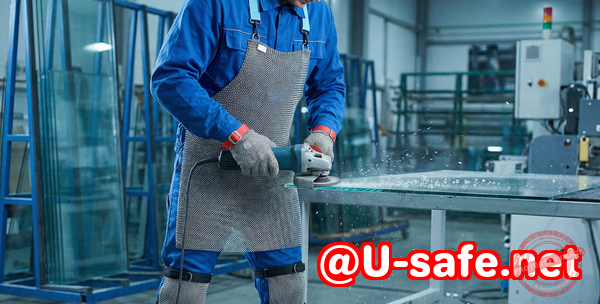
I’ve been there. It can be challenging to tell the difference between high-quality, cut-resistant chainmail and the cheaper, less durable options flooding the market. And with chainmail being used for everything from food processing to cosplay, the stakes are high. This is where EN 1082 comes in.
EN 1082 is a European standard for the performance and safety of protective clothing, including chainmail. Whether you’re working in a butcher shop, handling sharp tools, or even just building a historical display, this standard helps ensure that your chainmail will deliver on safety and durability. In this guide, I’m going to walk you through how to evaluate stainless steel chainmail for qualityhelping you avoid unsafe purchases and make informed, reliable choices.
Why Does EN 1082 Matter for Chainmail?
When it comes to protective gear, safety should be your top priority. The European standard EN 1082, specifically focused on cut-resistant clothing, establishes the minimum performance requirements for chainmail used in various industries, including food processing and industrial safety. This standard outlines important features such as the material quality, ring structure, and overall durability, ensuring that your chainmail provides the protection you expect.
For example, EN 1082 provides guidelines for the material used in chainmail, ensuring that it’s resistant to wear and corrosion. It also addresses the strength of the rings and the type of weave used, like the European 4-in-1 weave, which is known for its superior strength and flexibility. Without these quality standards, it would be nearly impossible to know which chainmail products are up to the task.
Common Chainmail Pitfalls and How to Avoid Them
So, what are the typical pitfalls when it comes to buying chainmail? Let’s dive into the most common issues you may face and how to avoid them.
1. Distinguishing Between Welded and Open Rings
A common mistake many buyers make is not checking whether the rings in the chainmail are welded or open. Open rings can easily come apart under stress, leading to a breakdown in protection. This is especially important in industries like food processing or heavy-duty work where safety is paramount.
How to Check:
-
Simply look closely at the ring joints. If you see a visible seam or gap, that ring is likely an open one.
-
For added peace of mind, perform a simple pull test by gently tugging on the rings. Welded rings will hold firm, while open rings will start to separate.
2. Choosing the Right Stainless Steel Grade
Not all stainless steel is created equal. For chainmail, the quality of the stainless steel matters a lot. Grades like 304 stainless steel are commonly used in decorative chainmail but aren’t as corrosion-resistant as 316 stainless steel, which is often required for industrial use.
How to Check:
-
Ask the seller about the grade of stainless steel used. For industrial applications like cut-resistant gloves or clothing, look for 316 stainless steel, which is more resistant to corrosion and ideal for food processing environments.
3. Weak or Inconsistent Weaves
If the weave pattern of your chainmail isn’t consistent or is weak, you’re looking at a potential safety hazard. The most common weave pattern used for durability is the European 4-in-1 weave, where four rings surround one central ring. This pattern offers excellent protection against cuts and punctures.
How to Check:
-
Inspect the weave closely. Each ring should be perfectly linked and evenly spaced. Any inconsistencies or gaps could signal poor craftsmanship and reduced strength.
-
For added strength, European 4-in-1 weave should be your go-to option. This pattern is time-tested and provides superior durability.
Aegimesh Chainmail: The Solution You Need
Here at Aegimesh, we understand the importance of quality when it comes to chainmail. That’s why our products follow the EN 1082 standard, ensuring that you’re getting the highest quality, cut-resistant chainmail available on the market.
Whether you’re purchasing chainmail for industrial use, cosplay, or as a collector’s item, our inspection guide helps you evaluate the product with confidence. By following our inspection tips, you can ensure that the chainmail you’re purchasing is durable, safe, and up to the standards you need.
How to Inspect Chainmail for Quality
Let’s break down some of the most important aspects of chainmail inspection that can help you evaluate whether the product is safe and durable.
1. Material Type: 304 vs. 316 Stainless Steel
Stainless steel is the material of choice for chainmail because it offers resistance to corrosion and rust. However, not all stainless steel grades are equally strong or resistant to harsh conditions.
-
304 Stainless Steel: This is the most common stainless steel used in decorative chainmail. It works well for costumes and displays but is not ideal for industrial use, where durability is key.
-
316 Stainless Steel: This grade is far more resistant to corrosion and is often used in high-stress environments like food processing or industrial safety.
2. Ring Welding and Thickness
The rings should be welded shut, not just bent and twisted, to ensure they won’t fall apart under stress. The wire thickness and the ring’s inner diameter are also important. Thicker rings and tighter diameters offer more durability, but this may come at a higher cost.
-
Tip: Perform a pull test to check for any weak joints. A properly welded ring will not come apart easily.
3. Weave Pattern
The European 4-in-1 weave is known for its excellent strength and resistance to cuts and punctures. When inspecting chainmail, look for this pattern as a sign of high-quality craftsmanship.
-
Tip: Make sure the weave is tight and uniform. Any gaps between the rings may mean a weaker product.
Why You Should Care About Proper Chainmail Inspection
Properly inspecting chainmail is not just about ensuring durabilityit’s also about safety. Low-quality chainmail can fail under stress, which could lead to injuries, especially in high-risk environments like industrial work or food processing. Furthermore, low-quality chainmail may not meet the necessary standards for historical reenactment or cosplay, leading to a disappointing experience for collectors and enthusiasts.
By learning how to properly inspect chainmail, you can avoid these pitfalls and make smart, safe purchases that ensure both durability and quality.
Conclusion: Make the Right Choice for Safety and Durability
In summary, whether you’re buying chainmail for industrial use, cosplay, or as a collector’s item, taking the time to inspect your purchase can save you a lot of trouble down the road. By focusing on material quality, welded rings, weave patterns, and corrosion resistance, you can confidently choose high-quality chainmail that meets your needs.
I highly recommend following the inspection steps outlined in this guide to ensure any chainmail purchase you make meets both safety and durability standards.
Learn more about identifying high-quality chainmail products here: Aegimesh Chainmail
Frequently Asked Questions
1. How can I tell if a chainmail ring is welded or open?
Look closely at the ring joint. If there’s a visible seam or gap, the ring is likely open. Perform a pull test to check the weld’s strength.
2. Which stainless steel grade is best for long-lasting chainmail?
For durability and corrosion resistance, 316 stainless steel is the best choice. It’s ideal for industrial and food processing use.
3. How do I inspect the weave pattern for strength?
Check the consistency of the rings and the tightness of the weave. The European 4-in-1 weave is a sign of high-quality craftsmanship.
4. What are the signs of low-quality or unsafe chainmail?
Look for inconsistent weaves, weak or open rings, and signs of corrosion. These can all indicate low-quality chainmail that won’t provide proper protection.
5. Can decorative chainmail be used for protective purposes?
Decorative chainmail made with 304 stainless steel may not offer the protection needed for industrial use. For safety, opt for 316 stainless steel.
6. How do I choose the right chainmail for industrial vs. cosplay use?
For industrial use, look for chainmail made from 316 stainless steel and check for a tight European 4-in-1 weave. For cosplay, 304 stainless steel may suffice, but still check for quality craftsmanship.
Keywords
chainmail quality, welded rings, stainless steel chainmail, cut-resistant chainmail, chainmail inspection, European 4-in-1 weave, chainmail durability




 한국어
한국어  Русский
  Deutsch
  العربية