


Environmental Resistance of Chainmail and Stainless Steel
Environmental Resistance of Chainmail and Stainless Steel
When purchasing chainmail for protection, whether for industrial use, cosplay, or a historical reenactment, it can be overwhelming to determine which products are genuinely high-quality. The market is flooded with options, and not all chainmail is created equal. While it may look the same at first glance, subtle differences in material quality, weave pattern, and craftsmanship can significantly affect the performance, durability, and safety of the chainmail. In this article, I’ll walk you through how to evaluate chainmail productsspecifically focusing on the environmental resistance of stainless steel and the key features to look for when assessing the quality of chainmail.
Common Pain Points in Chainmail Evaluation
Let’s face it: figuring out whether you’re buying a high-quality, durable chainmail piece or a low-quality, decorative imitation can be tricky. Many buyers struggle with:
-
Distinguishing welded rings from open rings: Open rings are not as durable and can fail under stress, while welded rings provide a much stronger, more reliable structure.
-
Uncertainty about stainless steel grades: Not all stainless steel is created equal, and the wrong grade can lead to corrosion or weak spots.
-
Inconsistent weaves: Weak or poorly constructed weaves can compromise the durability of the chainmail, making it unsuitable for protection or long-term use.
At Aegimesh, we specialize in providing high-quality chainmail products that are designed to resist wear and tear. Our guide will help you understand how to inspect chainmail products like a pro so that you can avoid unsafe purchases and make informed decisions.
Choosing the Right Stainless Steel Grade: 304 vs 316
When it comes to chainmail, one of the most critical aspects of the material is the type of stainless steel used. Most chainmail is made from either 304 or 316 stainless steel, and understanding the differences between these two grades will help you make the right choice for your needs.
-
304 Stainless Steel: This is the most common stainless steel grade used in chainmail. It’s strong, resistant to corrosion, and performs well in most environments. However, it can be more prone to corrosion when exposed to harsh conditions, like saltwater or acidic environments, which is a concern for anyone using chainmail for industrial applications or food handling.
-
316 Stainless Steel: This is a more specialized grade of stainless steel, known for its superior resistance to corrosion. It contains molybdenum, which significantly improves its ability to withstand harsh environments, such as exposure to chemicals, seawater, or extreme temperatures. If you need chainmail for industrial use, food processing, or anything that involves exposure to tough conditions, 316 stainless steel is the better option.
Pro Tip: Always check for product specifications that mention the grade of stainless steel. High-quality chainmail manufacturers will clearly state whether they use 304 or 316 stainless steel. If it’s not mentioned, consider it a red flag.
Understanding Chainmail Weave Patterns
The weave pattern is another critical factor in determining the durability and strength of chainmail. The most commonly used pattern in high-quality chainmail is the European 4-in-1 weave, where each ring passes through four others, creating a tight, interlocking structure. This type of weave is known for its strength and resistance to tearing or breaking under stress.
In addition to the weave pattern, pay attention to the ring thickness and inner diameter. A thicker ring with a larger inner diameter provides greater strength, while thinner rings with a smaller inner diameter may be more suitable for decorative or lightweight uses.
Here’s how to check the weave:
-
Inspect the Weave: Lay the chainmail flat on a surface and look at the pattern. The rings should all interlock neatly, with no gaps or irregularities. If the weave looks uneven or loose, the chainmail may not be durable enough for protective use.
-
Check the Ring Size: The rings should be uniform in size, with consistent spacing between them. If the rings are of varying sizes, this can weaken the overall structure.
-
Pull Test: Gently tug at the edges of the chainmail. High-quality chainmail will have a solid, firm feel, while poor-quality pieces may stretch or feel flimsy.
Quick Tip: If you can easily slip your finger between the rings, the weave is too loose. A good quality chainmail will have rings that are close enough together to resist wear and tear.
Identifying Welded vs. Open Rings
This is a common issue when evaluating chainmail products. Some manufacturers use open rings (rings that are simply bent into shape but not welded), which may seem fine at first but can be significantly weaker than welded rings. Over time, open rings can separate, causing the chainmail to unravel or fail.
Welded rings, on the other hand, are fused together at the joint, creating a much stronger and more secure connection. If you’re buying chainmail for industrial or protective use, it’s crucial to make sure you’re purchasing chainmail with welded rings.
How to Spot Poor Craftsmanship and Low-Quality Materials
While high-quality chainmail can be quite expensive, low-quality chainmail is often deceptively cheap, making it tempting to cut corners. However, the risks of purchasing subpar products are high, especially when it comes to safety. Here’s what to watch out for:
-
Signs of Corrosion: Even in stainless steel, low-quality materials or poor craftsmanship can lead to rust or corrosion. Check for any signs of tarnishing or rust spots, particularly if the chainmail is exposed to moisture.
-
Inconsistent Ring Size: As mentioned earlier, inconsistent ring sizes or poorly constructed rings can compromise the integrity of the chainmail. This can result in breakage or weakened protection, especially in industrial or food-handling applications.
-
Rough Edges: If the edges of the rings feel sharp or jagged, this could be a sign of poor manufacturing, where the metal wasn’t properly smoothed or polished. This can also pose a risk for injury, especially in wearable chainmail like armor or cosplay.
Pro Tip: Always inspect the product in person, if possible. Look for any inconsistencies in the rings, weave, or overall finish. If you’re buying online, check for reviews from other customers who have had the chance to inspect the product firsthand.
How to Choose the Right Chainmail for Your Needs
Before purchasing chainmail, it’s essential to assess the intended use. Are you looking for chainmail to protect against cuts in an industrial setting? Or are you buying it for cosplay or a historical reenactment? The right choice depends on what you need it to do.
-
Industrial Use: For environments where protection from sharp objects is crucial, you’ll want a heavy-duty weave (like European 4-in-1) and 316 stainless steel for superior corrosion resistance.
-
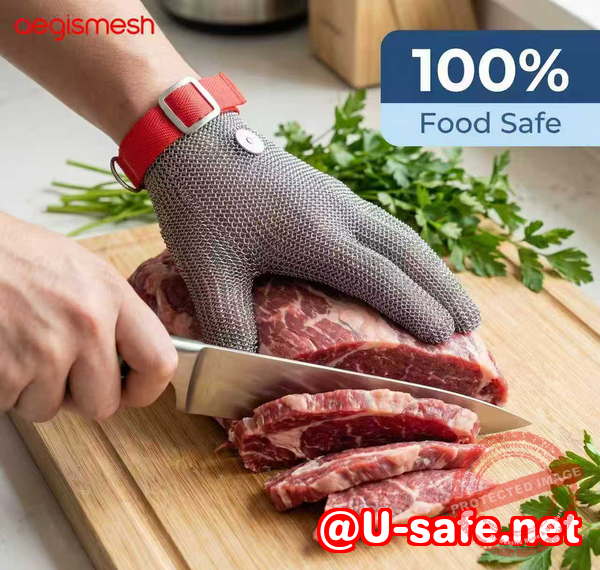
Food Processing: If you’re working in food safety, choose chainmail made from 304 or 316 stainless steel that’s certified safe for food contact and resistant to bacteria buildup.
-
Cosplay or Historical Replicas: For these uses, you might not need as robust a weave or high-grade stainless steel, but you’ll still want to ensure the rings are welded and the weave is neat for aesthetic reasons.
Conclusion: Inspecting Chainmail to Ensure Safety and Durability
In summary, when shopping for chainmail, always focus on the material, craftsmanship, and weave pattern. Whether you’re using chainmail for industrial protection, food safety, cosplay, or historical replicas, following these simple inspection steps will ensure you’re purchasing a durable and safe product. I highly recommend following these steps to ensure any chainmail purchase meets safety and durability standards.
Learn more about identifying high-quality chainmail products: Aegimesh Chainmail
Check out our detailed chainmail inspection guide today and make sure you’re getting the best quality for your needs.
FAQ
-
How can I tell if a chainmail ring is welded or open?
-
Check the ring’s edge. A welded ring will have a smooth, seamless connection, while an open ring will have a visible gap where the ends meet.
-
-
Which stainless steel grade is best for long-lasting chainmail?
-
For durability and corrosion resistance, 316 stainless steel is the best choice, especially for industrial or food-handling applications.
-
-
How do I inspect the weave pattern for strength?
-
Lay the chainmail flat and check if the rings are evenly spaced and tightly interwoven. A strong weave, like European 4-in-1, provides the most durability.
-
-
What are the signs of low-quality or unsafe chainmail?
-
Look for signs of corrosion, weak or loose rings, inconsistent weave, and rough edges. These can compromise the chainmail’s strength and safety.
-
-
Can decorative chainmail be used for protective purposes?
-
Decorative chainmail may not provide adequate protection, as it’s often made with lighter materials and looser weaves. Always check the quality and specifications.
-
-
How do I choose the right chainmail for industrial vs cosplay use?
-
For industrial use, choose chainmail with welded rings and a durable weave (like European 4-in-1) made from 316 stainless steel. For cosplay, aesthetic quality and comfort are key, but welded rings and a neat weave are still important for durability.
-
Tags or Keywords
-
Chainmail quality, welded rings, stainless steel chainmail, cut-resistant chainmail, chainmail inspection, European 4-in-1 weave





 한국어
한국어  Русский
  Deutsch
  العربية