


Cut-Resistant Stainless Steel Chainmail Protection You Can Count On
Cut-Resistant Stainless Steel Chainmail Protection You Can Count On
When purchasing chainmail for protection or display, I often struggle to know which products are genuinely high-quality. With so many options on the market, it’s easy to end up with something that looks the part but falls short in durability or safety. Whether you’re looking for chainmail for industrial use, food handling, cosplay, or even a historical replica, understanding how to evaluate chainmail quality is essential.
In this post, I’ll guide you through practical steps to help you identify the best chainmail productsso you can avoid poor-quality imitations that may fail when you need them most. We’ll discuss everything from how to spot welded rings to assessing weave patterns, and what makes stainless steel chainmail cut-resistant and reliable. By the end, you’ll be equipped with the knowledge to make informed decisions about your chainmail purchases.
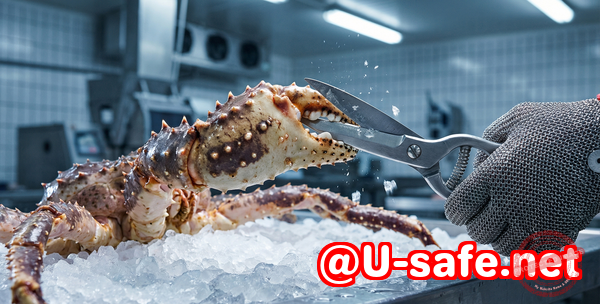
How to Evaluate Chainmail Quality
1. Understanding the Material
When you hear the term ‘chainmail,’ it’s easy to think of knights and medieval armor, but today’s chainmail is used in a variety of settings, from protecting workers in industrial environments to adding that perfect touch to a cosplay outfit. However, not all chainmail is created equal. The material and construction play a significant role in its effectiveness and durability.
Choosing the Right Stainless Steel Grade
The first step in evaluating chainmail is understanding the material. For most high-quality chainmail, you’ll want to look for stainless steelbut not just any stainless steel. There are two main grades to consider: 304 and 316.
-
304 Stainless Steel: This is the most common grade used in chainmail. It’s resistant to rust and corrosion, making it ideal for dry environments or decorative purposes. While durable, it may not withstand harsh conditions over time.
-
316 Stainless Steel: Known for its superior corrosion resistance, 316 steel is the better option for food handling or industrial use where exposure to moisture or chemicals is a concern. It also offers greater durability and strength.
I recommend 316 stainless steel if you need cut-resistant chainmail that will be exposed to harsher environments or wear. It’s the extra investment that pays off in long-term durability.
2. Welding vs. Open Rings
A key indicator of quality chainmail is whether the rings are welded or open. The distinction is vital for both strength and safety.
-
Welded Rings: These rings are fused together, creating a solid, durable connection. Welded rings resist opening under stress, which means they won’t unravel when put under pressure. This is critical in industrial applications where protection against sharp objects is necessary.
-
Open Rings: These are simply interlocked without welding, which means they can pull apart over time, making the chainmail less durable. Open rings are often used for decorative purposes or low-risk situations like cosplay.
If you need cut-resistant chainmail for protection, always go for welded rings. If you’re making a historical replica or just displaying it, open rings might be fine, but for real-world applications like food processing or industrial use, you’ll want welded rings.
3. Inspecting the Weave
The weave pattern plays a massive role in the overall strength and functionality of your chainmail. One of the most common and trusted patterns is the European 4-in-1 weave. This pattern involves each ring being woven through four others, creating a tight, sturdy structure.
Why the Weave Matters
The right weave pattern ensures that the chainmail can withstand tension and impact without compromising its integrity. A loose weave can result in weak spots, where the rings might shift or break under pressure.
To inspect the weave:
-
Check the Ring Size: A high-quality chainmail will have rings that are the correct size for the weave. If the rings are too small or too large, the weave won’t perform well.
-
Look for Evenness: The rings should all sit evenly within the weave. If you see gaps or irregularities, the craftsmanship might not be up to par.
The European 4-in-1 is the gold standard for chainmail, offering a strong, flexible, and cut-resistant material. If the chainmail you’re considering uses this pattern, you’re likely on the right track.
4. Evaluating Durability and Strength
Strength is one of the most important factors when purchasing chainmail, especially for industrial or food-processing use. Even decorative chainmail needs to be robust enough for occasional handling, and no one wants to be let down by a product that falls apart after minimal use.
The Pull Test
One of the easiest ways to test the strength of chainmail is the pull test. Here’s how you can do it:
-
Take a section of the chainmail and pull on the rings. You should feel some resistance, but the rings shouldn’t shift or open up easily.
-
Focus on areas where the rings overlap, as these points tend to be the weakest.
-
For welded rings, you should not see any deformation or separation under pressure.
If you find that the rings are coming apart or the weave loosens when you apply pressure, that’s a sign of poor craftsmanship or low-quality material.
Corrosion and Rust Resistance
No one wants to deal with rusted, brittle chainmailespecially in environments like food processing where hygiene and safety are critical. 316 stainless steel excels at preventing corrosion, but even high-quality steel can show signs of wear if it’s poorly maintained or exposed to harsh elements.
Check for any visible signs of corrosion or discoloration, especially around the rings’ joints. Rust can spread quickly, and once it starts, it’s difficult to reverse. Avoid chainmail that shows these signs unless you plan to use it for decorative purposes and can maintain it carefully.
5. Choosing the Right Chainmail for Your Use Case
There are different types of chainmail suited for various applications, and understanding how to select the right one is essential. Here’s a breakdown of which type works best for different use cases:
-
Industrial Protection: If you’re buying chainmail for work environments (such as meat processing), look for thick, cut-resistant welded chainmail with 316 stainless steel.
-
Food Handling: Again, 316 stainless steel is the best choice for food safety, as it’s resistant to corrosion and can handle the demands of frequent cleaning.
-
Cosplay: If you’re making a costume or a display piece, focus on the appearance of the rings and weave pattern. You can use 304 stainless steel for a more affordable option, but always check the craftsmanship.
-
Historical Replicas: For replicas, the European 4-in-1 weave is a must. Opt for either 304 or 316 stainless steel depending on your budget.
6. Why Proper Inspection Matters
Now that we’ve covered the basics of evaluating chainmail, let’s talk about why it’s so important. Poor-quality chainmail can fail when you need it most, whether it’s cutting protection in a hazardous work environment or during a cosplay event where the last thing you want is to be left with broken armor.
By following the inspection steps outlined above, you can confidently purchase chainmail that not only looks good but also performs reliably, saving you time and money in the long run.
Conclusion: Make Informed Choices About Your Chainmail
I highly recommend following these steps to ensure any chainmail purchase meets safety and durability standards. Chainmail might seem straightforward, but a little knowledge goes a long way in helping you avoid poor-quality products that will let you down when you need them most. Whether you’re in the market for industrial protection, food-handling gear, or even a cosplay accessory, you can count on these tips to guide your decision.
Ready to learn more about identifying high-quality chainmail? Visit our detailed chainmail inspection guide at Aegimesh.com and make an informed purchase today!
FAQ
-
How can I tell if a chainmail ring is welded or open?
-
Look at the ring joints. If they’re fused together, it’s welded. If there’s a visible gap, it’s open.
-
-
Which stainless steel grade is best for long-lasting chainmail?
-
For durability and corrosion resistance, go with 316 stainless steel for industrial or food processing use. 304 stainless steel is fine for decorative purposes.
-
-
How do I inspect the weave pattern for strength?
-
Examine the rings to ensure they’re evenly placed within the weave. A European 4-in-1 pattern offers superior strength.
-
-
What are the signs of low-quality or unsafe chainmail?
-
Watch for loose rings, poor welding, rust spots, and inconsistent weaves. These are all signs that the chainmail may not be durable or safe for use.
-
-
Can decorative chainmail be used for protective purposes?
-
Decorative chainmail may look great but may not provide adequate protection. If you need it for safety, always choose welded rings and strong weave patterns.
-
-
How do I choose the right chainmail for industrial vs cosplay use?
-
For industrial use, go with 316 stainless steel, welded rings, and tight, durable weaves. For cosplay, aesthetics are more important304 stainless steel with a good weave pattern should suffice.
-
Keywords
-
chainmail quality, welded rings, stainless steel chainmail, cut-resistant chainmail, chainmail inspection, European 4-in-1 weave




 한국어
한국어  Русский
  Deutsch
  العربية