


Corrosion Resistance in Chainmail Materials
Corrosion Resistance in Chainmail Materials
When purchasing chainmail for protection, display, or cosplay, one of the most critical factors you should be considering is corrosion resistance. It’s easy to assume that chainmail, made from metal, will be durable and able to withstand harsh conditions, but this isn’t always the case. In fact, chainmail products can vary greatly in quality, especially when it comes to corrosion resistance. If you’ve ever bought a chainmail product only to have it rust or weaken over time, you know exactly how frustrating and costly that can be.
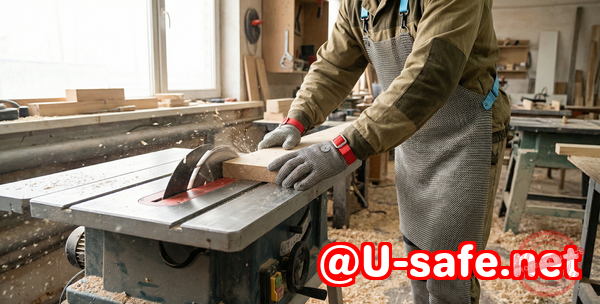
As someone who has spent a lot of time evaluating different chainmail options, I’ve learned that it’s essential to understand what makes one product superior to another. Whether you’re in need of industrial-level cut protection, creating a historical costume, or just collecting chainmail for its beauty, corrosion resistance is a key factor that can make all the difference.
In this article, I’ll walk you through how to spot high-quality, corrosion-resistant chainmail, what to look for, and how to ensure you’re making an informed purchase that will last.
Understanding Corrosion Resistance in Chainmail
First, let’s break down why corrosion resistance is so important. Chainmail, which is essentially a mesh of interlinked metal rings, can be susceptible to rust and degradation when exposed to moisture, chemicals, or salt (such as in food processing environments or near coastal areas). The quality of the metal used in the rings, the welding method, and the protective coatings or finishes can all influence how well a chainmail product stands up to corrosion.
For industrial applications, food processing, or even for cosplay use, the last thing you want is your chainmail to weaken and degrade, compromising your protection or ruining the aesthetic. That’s where Aegimesh Chainmail comes into play. Aegimesh products are made with carefully selected materials that ensure corrosion resistance, strength, and durability, which we’ll explore in detail.
Common Chainmail Issues: Rust, Fragility, and Corrosion
Before we dive into the solutions, let’s first look at some of the most common issues buyers face when it comes to chainmail:
1. Rust and Corrosion in Low-Quality Steel
Rust can form quickly on chainmail that is made from low-grade steel or improperly treated metals. If you’re purchasing chainmail for industrial use or protection, this is a major concern. Corrosion can compromise the strength of the metal, making it less effective at preventing cuts or damage.
2. Weak Weaving or Poor Ring Welding
Another concern is poor craftsmanship. Some manufacturers use low-quality materials or fail to properly weld the rings. This results in chainmail that falls apart easily, especially in harsh environments.
3. Inconsistent Material Quality
Not all stainless steel is created equal. Chainmail made from lower grades of steel, like 304 stainless, can be more prone to corrosion when exposed to certain environments, especially where higher protection is needed.
The key to avoiding these issues is understanding how to assess corrosion resistance and overall durability before making a purchase.
How to Inspect Chainmail for Corrosion Resistance
Now that we’ve covered the potential issues, let’s get to the practical part: inspecting chainmail for corrosion resistance. Here are the steps I recommend:
1. Check the Material: Stainless Steel Grades Matter
The first thing you should check is the material type. Chainmail made from high-grade stainless steel is generally more resistant to rust and corrosion. But not all stainless steel is the same!
-
304 Stainless Steel: This is a common grade used in chainmail, but it can be susceptible to corrosion when exposed to saltwater or acidic environments. It’s fine for decorative purposes or dry conditions but may not be ideal for industrial use.
-
316 Stainless Steel: This grade is far superior for corrosion resistance. It’s highly resistant to rust, even in salty or wet conditions, making it the best choice for industrial or food-handling environments.
When buying chainmail, I always recommend looking for products made from 316 stainless steel if you’re concerned about corrosion resistance. This material ensures durability and longevity in tough conditions.
2. Inspect the Welding
The next thing you should look at is the welding of the rings. High-quality chainmail should have welded rings, not open rings. Open rings are often weaker and more prone to breaking, especially when exposed to stress or environmental factors.
Welded rings are more durable and are usually a sign of higher craftsmanship. To check if the rings are welded, you can carefully inspect the ends of the rings. If you see a smooth, continuous surface where the ends meet, the ring is welded. If there’s a visible gap or roughness, the ring is open.
3. Examine Wire Thickness and Ring Diameter
The thickness of the wire and the inner diameter of the rings are also important indicators of durability. Aegimesh, for example, uses wire with the ideal thickness to ensure strength without sacrificing flexibility. Too thin of a wire can lead to breakage under stress, and too thick can make the chainmail stiff and uncomfortable.
Ring diameter is also keylarger rings tend to be less durable, while smaller rings (like those used in European 4-in-1 weave) offer better protection and are more resistant to wear over time.
4. Weave Patterns Matter
The weave pattern is another important aspect to check. Aegimesh products, for example, often use the European 4-in-1 weave, which is known for its strength and durability. This particular weave offers a balance of flexibility and protection, which is crucial for both aesthetic and functional uses.
You can check the weave by simply inspecting the mesh closely. If the rings are neatly woven with no gaps, it’s a sign of good craftsmanship.
Benefits of Proper Chainmail Inspection
Now that you know what to look for, let’s talk about why proper inspection is so important.
-
Safety and Durability: Whether you’re purchasing chainmail for industrial cut protection, food processing, or even cosplay, it’s essential that the product meets your safety and durability standards. A well-made chainmail will offer the protection you need, while low-quality products can put you at risk.
-
Cost Savings: By taking the time to inspect your chainmail before purchasing, you can avoid wasting money on low-quality products that will wear out quickly. Choosing higher-quality chainmail will save you money in the long run as you won’t have to replace it as often.
-
Peace of Mind: Knowing that your chainmail is corrosion-resistant, durable, and made from high-quality materials gives you confidence, whether you’re using it for personal protection, historical reenactment, or as part of a costume.
Conclusion: How to Choose Quality Chainmail
When buying chainmail, it’s essential to look at the materials, welding, weave, and overall craftsmanship to ensure you’re getting a product that will last and serve its intended purpose.
I highly recommend following the steps outlined above to ensure that any chainmail purchase meets safety, durability, and corrosion resistance standards. For the best results, choose products made with 316 stainless steel and welded rings, and don’t hesitate to inspect the material, thickness, and weave pattern closely.
Learn more about identifying high-quality chainmail products: https://www.aegimesh.com/
FAQ
1. How can I tell if a chainmail ring is welded or open?
-
Look at the ring ends. If they’re smooth and continuous, it’s welded. If there’s a gap, it’s open.
2. Which stainless steel grade is best for long-lasting chainmail?
-
316 stainless steel is the most corrosion-resistant, especially in harsh environments. It’s perfect for industrial use or exposure to moisture.
3. How do I inspect the weave pattern for strength?
-
Check if the rings are tightly woven with no visible gaps. European 4-in-1 weave is a strong and durable pattern.
4. What are the signs of low-quality or unsafe chainmail?
-
Look for open rings, inconsistent wire thickness, and gaps in the weave pattern. These are signs of poor craftsmanship.
5. Can decorative chainmail be used for protective purposes?
-
Decorative chainmail is often weaker and less durable than industrial chainmail, so it’s not suitable for high-risk protection.
6. How do I choose the right chainmail for industrial vs cosplay use?
-
For industrial use, prioritize corrosion resistance (316 stainless steel) and strong weaves. For cosplay, focus more on appearance and comfort.
7. How can I prevent my chainmail from rusting?
-
Keep your chainmail dry and clean. If you’re using it in food processing or coastal areas, regularly inspect it for signs of corrosion.
Tags:
chainmail quality, welded rings, stainless steel chainmail, cut-resistant chainmail, chainmail inspection, European 4-in-1 weave, chainmail durability





 한국어
한국어  Русский
  Deutsch
  العربية