


Chainmail Tunics and Ergonomic Design
Chainmail Tunics and Ergonomic Design: How to Identify High-Quality Chainmail for Safety, Durability, and Comfort
When purchasing chainmail for protection, display, or cosplay, many buyers, myself included, often struggle to know which products are genuinely high-quality. With so many options on the market, it’s easy to fall for flashy designs or low prices, only to find that the product doesn’t live up to expectationsor worse, is unsafe. This concern is especially true for those using chainmail in professional settings like food processing, or for historical replicas where quality is critical. So, how can you tell the difference between high-quality chainmail and an imitation?
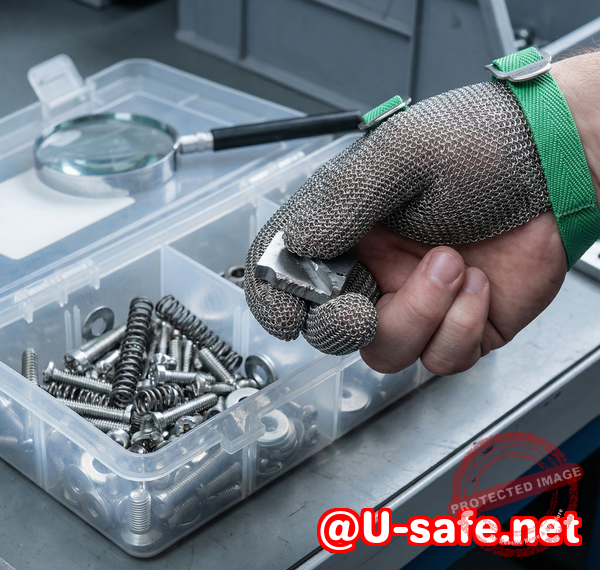
Let’s take a closer look at some of the most important factors when inspecting chainmail tunics and other chainmail products. Whether you need protection, a stunning display piece, or a reliable cosplay accessory, understanding how to evaluate chainmail will ensure you make a smart, informed purchase.
Common Pitfalls When Buying Chainmail
When it comes to selecting the right chainmail, many buyers face common pitfalls that can lead to dissatisfaction. A few of these include:
-
Welded vs. Open Rings: One of the most frequent mistakes people make is confusing welded rings for open rings. Welded rings are far more durable and resistant to wear and tear, making them ideal for protective uses like cut-resistant gloves or food processing attire. Open rings, however, can bend or break more easily, making them unsuitable for industrial environments.
-
Uncertainty about Stainless Steel Grades: Not all stainless steel is created equal. The grade of steel used in chainmail products plays a huge role in their strength, durability, and resistance to corrosion. Confusing 304 stainless steel with the more durable 316 grade can result in a product that wears out faster, especially in harsh conditions.
-
Weak or Inconsistent Weaves: A poorly constructed weave can compromise the entire structure of the chainmail, making it ineffective for protection or display. If the weave isn’t tight or even, the chainmail can tear more easily under stress.
How Aegimesh Chainmail Can Help You Make the Right Choice
At Aegimesh, we’ve created a comprehensive guide to help buyers, collectors, and professionals evaluate chainmail quality. Our detailed inspection tool breaks down exactly how to identify welded rings, assess wire thickness, measure ring diameters, and understand the importance of strong weave patterns like European 4-in-1.
Here are some of the most important factors to consider when inspecting chainmail:
1. Material Type: 304 vs. 316 Stainless Steel
When it comes to chainmail, the material matters. There are different grades of stainless steel, and each has its own advantages and drawbacks.
-
304 Stainless Steel is common in decorative chainmail, cosplay pieces, and historical replicas. While it is durable, it’s more susceptible to rust and corrosion, especially in wet or humid environments.
-
316 Stainless Steel, on the other hand, is more resistant to corrosion, making it ideal for industrial use or food processing. If you’re looking for long-lasting, cut-resistant chainmail, always opt for 316-grade stainless steel.
Tip: Check the product description for material details. If it’s not listed, don’t hesitate to ask the seller. Avoid products that don’t specify the steel gradeit might mean they’re cutting corners.
2. Inspecting the Ring Welds
Welded rings are the hallmark of high-quality chainmail. These rings are fused shut, ensuring they remain intact even under significant pressure. In contrast, open rings can be weak and vulnerable to breakage over time.
How to Check for Welded Rings:
-
Look closely at the rings; they should appear uniform and smooth, with no visible seams where the metal has been joined.
-
Try gently pulling apart a few rings (in an inconspicuous spot). If they don’t budge, the product is likely made with welded rings.
Tip: A good test to check for weld strength is the “pull test.” Gently tug on a small section of the chainmail. If the rings stay intact and the weave doesn’t unravel, it’s a sign of quality.
3. Wire Thickness and Inner Diameter
The thickness of the wire used in the rings, as well as the diameter of the rings themselves, will greatly influence the durability and strength of the chainmail.
-
Wire Thickness: A thicker wire will make the chainmail more robust and resistant to cutting or tearing. However, it also adds weight, which may be an important factor if you need to wear the chainmail for extended periods.
-
Ring Diameter: The diameter of the rings determines how tightly they fit together. A smaller inner diameter means the weave is tighter, which enhances the chainmail’s protective qualities. European 4-in-1 weave, a popular weave pattern, provides excellent flexibility and strength due to its tight ring structure.
Tip: When shopping for chainmail, inspect the size of the rings and wire thickness. A tighter weave is often the sign of better craftsmanship.
4. Weave Patterns: European 4-in-1
The European 4-in-1 weave is one of the most popular and strongest weave patterns for chainmail. It features four rings interwoven through each central ring, creating a tight and strong structure that’s ideal for cut protection and durability.
When evaluating the weave, look for:
-
Even spacing between the rings.
-
Symmetrical placement of each ring, which will contribute to the overall strength.
-
No gaps or inconsistencies in the weave, as these can reduce the chainmail’s effectiveness.
Tip: The more intricate the weave, the more time-consuming and expensive the chainmail is to produce. This often correlates with higher quality.
5. Signs of Low-Quality or Unsafe Chainmail
While inspecting your chainmail, keep an eye out for these red flags:
-
Rust or Corrosion: Especially on the edges of rings, rust is a clear indication of poor material quality.
-
Brittle or Cracked Rings: Rings should be smooth and uniform. Cracks or breaks may indicate the chainmail is made with subpar steel.
-
Uneven Weaves: Poor craftsmanship will show in uneven weaves, which will affect both durability and aesthetics.
Tip: If the chainmail looks too shiny and perfect, it might have been over-polished or coated with cheap plating to hide imperfections.
Practical Tips for Choosing the Right Chainmail
-
For Industrial Use: Always go with 316 stainless steel. This will ensure that your chainmail can withstand exposure to harsh chemicals and cutting hazards without rusting.
-
For Cosplay or Historical Replicas: European 4-in-1 weave is often the best choice for its historical accuracy and strength. However, be mindful of weight and comfort if you need to wear it for long periods.
-
For Decorative Use: You can opt for 304 stainless steel if the chainmail will only be used for display. Ensure the weave is tight, and the rings are welded to maintain the appearance of quality.
Conclusion: A Step Toward Smart Chainmail Purchases
When it comes to buying chainmail, whether for protection, cosplay, or display, it’s essential to do your research and understand what makes a quality product. By following these simple inspection methodschecking the material type, inspecting ring welds, evaluating wire thickness and ring diameter, and understanding weave patterns like European 4-in-1you can confidently purchase chainmail that will last and meet your needs.
I highly recommend following these steps to ensure any chainmail purchase meets safety and durability standards. Trust me, taking a little extra time to inspect your product can save you from wasting money and facing potential safety risks.
Learn more about identifying high-quality chainmail products: Aegimesh Chainmail Inspection Guide.
FAQ
How can I tell if a chainmail ring is welded or open?
Examine the ring closely. Welded rings should have a smooth, continuous surface without any visible seams. Open rings will show a small gap where the ends are not fused.
Which stainless steel grade is best for long-lasting chainmail?
For industrial use or food handling, 316 stainless steel is ideal due to its superior corrosion resistance. For decorative or cosplay use, 304 stainless steel is often sufficient.
How do I inspect the weave pattern for strength?
Look for uniformity in the weave. European 4-in-1 is known for its strong, tight pattern. Ensure there are no gaps, and the rings interlock evenly.
What are the signs of low-quality or unsafe chainmail?
Rust, cracked rings, uneven weaves, and a poor ring structure are all signs of low-quality chainmail. Always check for consistency and smoothness.
Can decorative chainmail be used for protective purposes?
While decorative chainmail can be functional, it typically doesn’t offer the same level of protection as industrial-grade chainmail. For safety, always choose a product designed for protection.
How do I choose the right chainmail for industrial vs. cosplay use?
For industrial use, opt for 316 stainless steel and ensure the weave is tight and durable. For cosplay, 304 stainless steel and a European 4-in-1 weave will work well for most designs.



 한국어
한국어  Русский
  Deutsch
  العربية