


Chainmail in the Butcher Industry: A Complete Guide to Safety & Selection
1.Introduction: Why Chainmail is Essential in Modern Butcheries
In butcher shops and meat processing plants, sharp blades and highspeed cutting tools pose a constant risk of serious injury. While standard safety gear provides basic protection, chainmail offers an unmatched defense against deep cuts and punctures. This guide explores the essential role of chainmail in the butcher industry, helping professionals make informed decisions about their safety equipment.
2.Core Protective Tools and Their Uses
Chainmail is integrated into several key pieces of butcher safety gear:
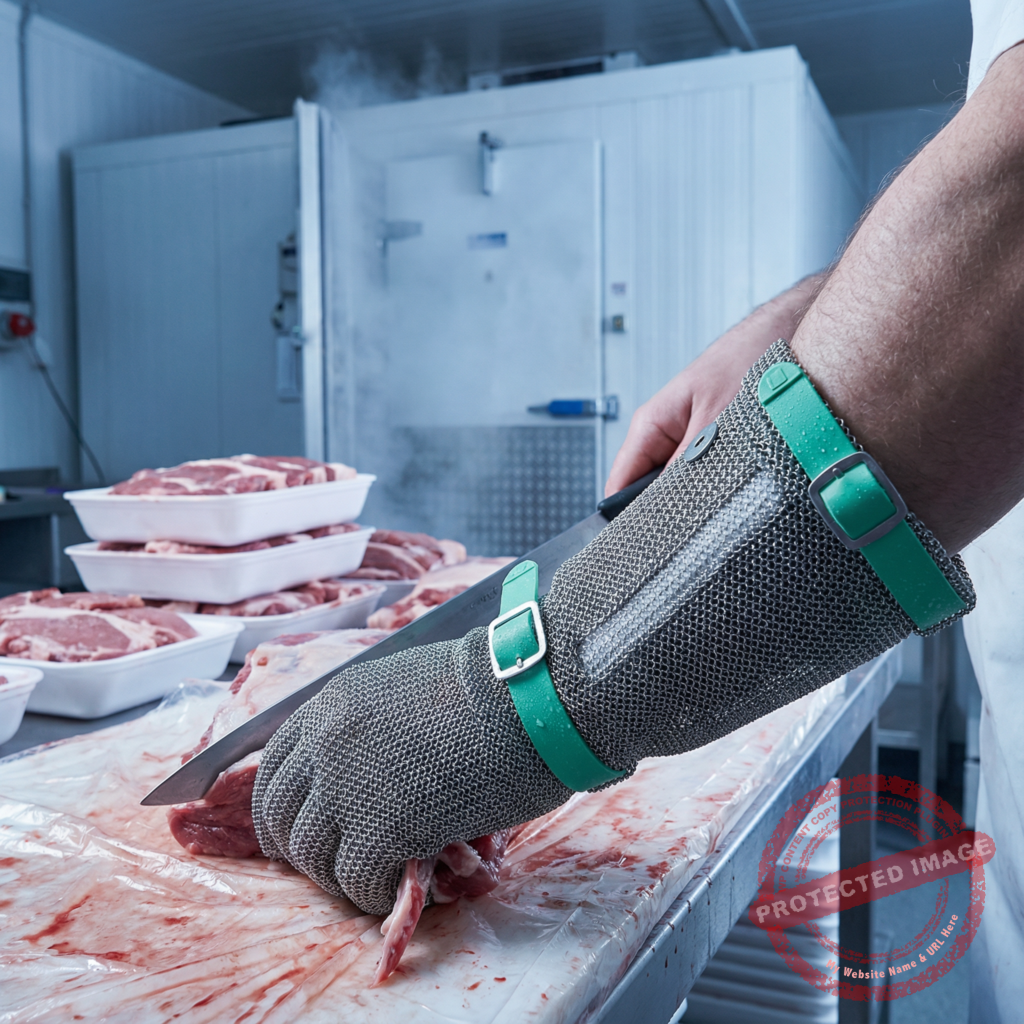
Hand Protection: Guantes de cota de malla
These protect fingers and hands during boning, trimming, and slicing—especially when handling sharp knives and cleavers.
Torso Protection: Chainmail Aprons
Worn over standard aprons, these protect the chest, abdomen, and upper legs from accidental slips or blade rebounds.
Foot Protection: Chainmail Socks
Essential for tasks where blades are used near the feet, such as breaking down large cuts on a butcher block.
3.Secondary Uses in the Butchery Workflow
Beyond direct cutting tasks, chainmail gear also supports:
Handling bone saws and powered cutting equipment
Protecting workers during large animal breakdown
Safeguarding against accidental slips while sharpening tools
4.Specialized Applications in Butchering
Some niche but critical uses include:
Poultry & Fish Processing: Smallergauge chainmail gloves offer dexterity for delicate tasks
Frozen Meat Cutting: Chainmail rated for lowtemperature flexibility
Training Butchers: Chainmail gear is often mandatory for trainees learning knife skills
5.How to Choose the Right Chainmail Gloves for Butcher Work
Selecting the correct chainmail gloves involves understanding your specific cutting tasks, environment, and comfort needs. The right choice can mean the difference between close calls and serious injuries.
6.Identify Your Primary Tasks & Required Protection Level
Consider the cutting methods you use most:
Light Cutting (slicing, trimming): Standard stainless steel chainmail gloves
Heavy Cutting (cleaving, sawing): Reinforced gloves with additional padding
HighMoisture Environments: Coated or treated chainmail to resist rust
7.Check Material & Construction for Durability & Safety
Look for:
Stainless Steel Rings: Resists corrosion from blood, fat, and cleaning chemicals
Secure Welding: Each ring should be fully closed and smooth to prevent snagging
Comfort Lining: Interior padding improves fit and reduces hand fatigue
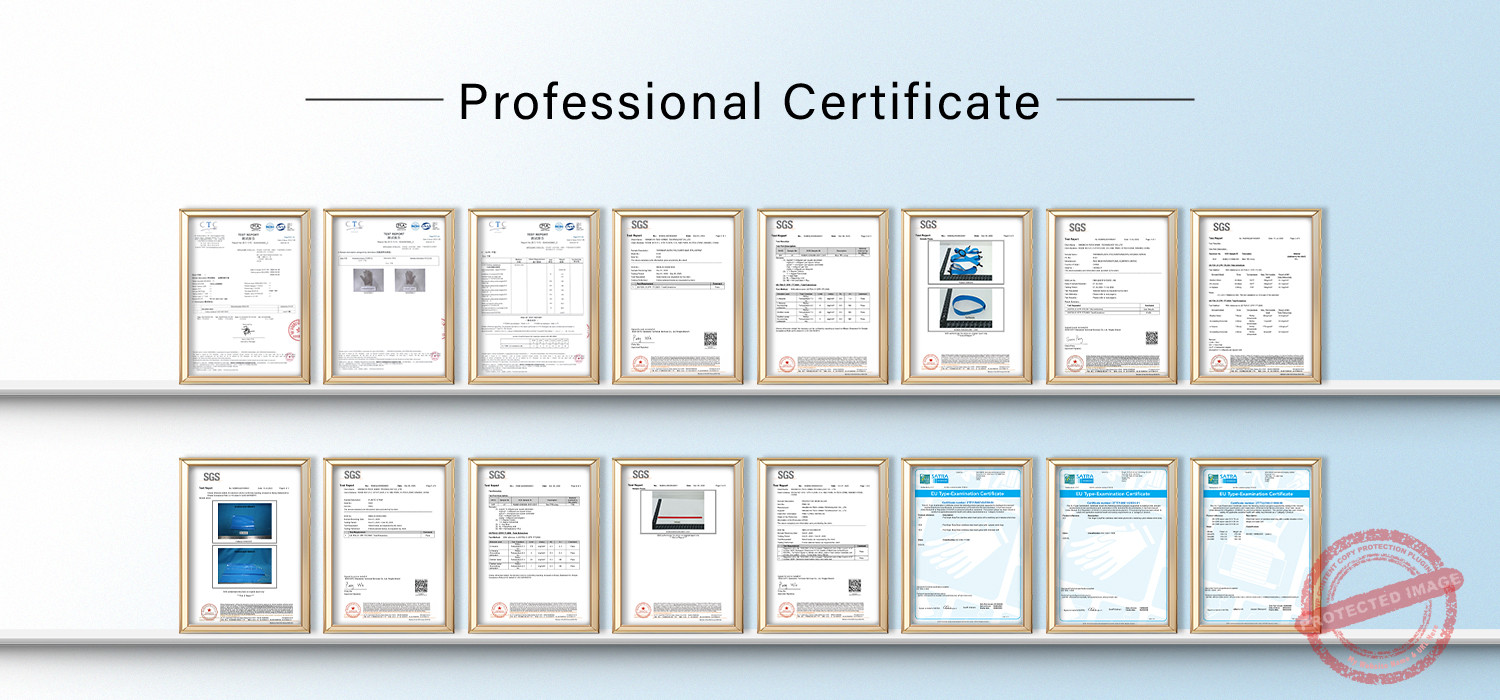
8.Verify Safety Certifications – Avoid “False Protection”
Reputable chainmail gloves should meet recognized standards such as:
EN 1082 (European cut resistance standard)
ANSI/ISEA 105 (American cut resistance rating)
CE Marking (EU compliance for personal protective equipment)
Always request test certificates from suppliers—verified safety is nonnegotiable.
9.Choose the Right Size for Fit & Dexterity
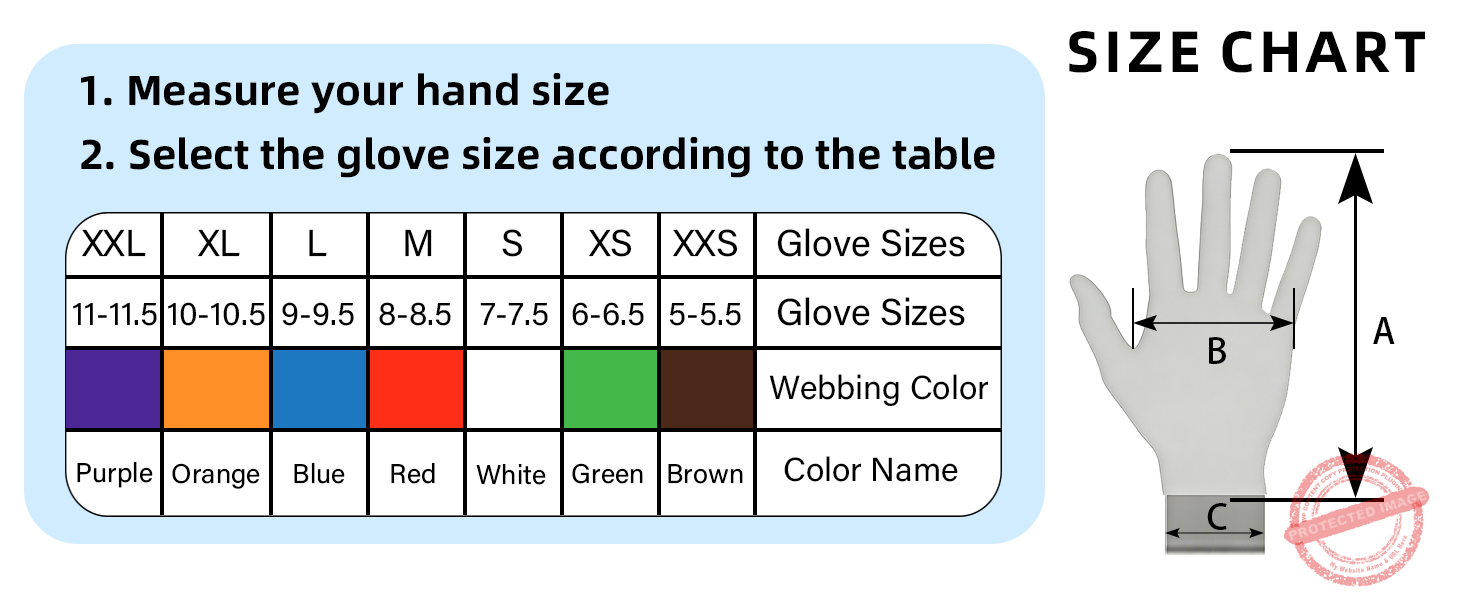
A proper fit ensures both safety and usability:
(1) Measure hand circumference and length;
(2) Test flexibility—can you still grip tools securely?
(3) Ensure no excess material bunches at the fingertips or palm;
(4) Many suppliers offer sizing charts and sample gloves for fitting.
10.Consider Additional Features for Specialized Needs
Depending on your work environment, you may need:
WaterResistant Liners: For wet processing areas
Extended Cuffs: Added forearm protection
AntiSlip Coating: Better grip when handling fatty meats
TemperatureResistant Materials: For freezers or cleaning with hot water
11.Balance Quality with Budget
While price shouldn’t be the only factor, consider:
LongTerm Value: Higherquality gloves last longer, reducing replacement costs
Supplier Reputation: Choose established brands with clear safety documentation
Warranty & Support: Reliable suppliers stand behind their products
Remember: In butcher safety, investing in proven protection now can prevent costly injuries later.
Conclusion
Chainmail remains a cornerstone of butcher safety for good reason: when properly chosen and maintained, it provides reliable, durable protection in highrisk cutting environments. By focusing on your specific tasks, verifying certifications, and selecting gear that fits well and meets recognized standards, you can significantly reduce injury risk while maintaining the precision and efficiency your work demands.
Whether you’re outfitting a small butcher shop or a large processing facility, taking the time to select the right chainmail protection is an investment in safety, compliance, and peace of mind.





 한국어
한국어  Русский
  Deutsch
  العربية