


Chainmail as a Safety Standard Over Decades
Chainmail as a Safety Standard Over Decades
When I first started looking for chainmail for my small historical reenactment group, I quickly ran into a problem I never expected: not all chainmail is created equal. Some pieces looked perfectly fine at a glance but fell apart under the slightest tug. Others were heavier than expected, with rings that were clearly weak or poorly welded. Whether you’re buying chainmail for industrial safety, food processing, cosplay, or collecting historical replicas, identifying quality chainmail can be surprisingly tricky.
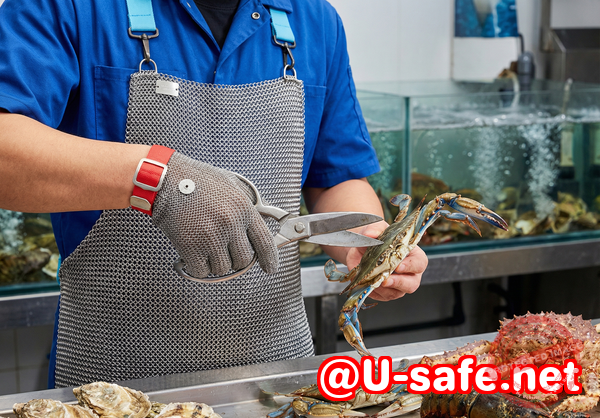
I’ve spent years handling, inspecting, and comparing different chainmail products, and one thing became clear: knowing how to evaluate chainmail quality isn’t just a nice-to-haveit’s essential. Buying a low-quality chainmail for protective purposes can put you or your employees at serious risk. Even for cosplay or decorative use, weak construction leads to frustration and wasted money. That’s why I rely on Aegimesh Chainmail as a reference guide for inspecting and choosing reliable, safe chainmail.
Common Pain Points When Evaluating Chainmail
1. Difficulty distinguishing welded rings from open rings
One of the most common mistakes buyers make is assuming all rings in chainmail are securely welded. Open rings, or rings with poor welding, are prone to splitting under stress. I’ve seen industrial chainmail fail in the first few minutes on a cutting line simply because the rings weren’t fully closed or welded.
2. Uncertainty about stainless steel grades and corrosion resistance
Not all stainless steel is equal. Some sellers advertise “stainless steel chainmail,” but don’t specify the grade. I’ve found that lower-grade stainless steel (like 302 or non-specified alloys) can corrode quickly, especially in humid kitchens or outdoors. High-quality 304 or marine-grade 316 stainless steel holds up much better over time.
3. Weak or inconsistent weave patterns
The weave pattern isn’t just about aestheticsit directly affects strength. A poorly executed European 4-in-1 weave, for example, leaves gaps or uneven tension that can compromise durability. I once tested a cosplay chainmail vest that looked sturdy but had several skipped rings in its weave. It barely held up when a simple pull test was applied.
How to Inspect Chainmail Like a Pro
Aegimesh Chainmail offers a structured approach to evaluating chainmail quality, which I’ve found invaluable for buyers, collectors, and professionals alike. Here’s how I break it down:
1. Check the Material Type
-
304 stainless steel: Standard choice for most indoor and light-duty uses. Resistant to rust and corrosion in regular environments.
-
316 stainless steel: Ideal for harsh environments, such as marine settings or industrial kitchens, because it’s more corrosion-resistant.
-
Look for chainmail labeled clearly with its stainless steel grade. If it isn’t specified, consider it a warning sign.
2. Inspect the Rings
-
Examine each ring for a complete weldthere should be no visible gaps.
-
Check the wire thickness; thicker wire generally indicates higher durability. I’ve found that rings below 1.2mm in industrial chainmail can feel flimsy.
-
Measure the inner diameter; uniformity matters. Inconsistent sizes can lead to weak spots in the weave.
3. Evaluate the Weave Pattern
-
The European 4-in-1 weave is widely recognized for strength and flexibility. Each ring should connect to four others in a consistent pattern.
-
Look for skipped rings or uneven tension, which indicate poor craftsmanship.
-
For heavier-duty applications, double layers or reinforced weaves can provide extra protection.
Practical Tips for Buyers
I like to give simple, hands-on tips for evaluating chainmail before purchase:
-
Perform a pull test: Grab a small section of the weave and pull gently but firmly. If rings bend or separate easily, it’s low-quality.
-
Check for corrosion or discoloration: Even new chainmail can have signs of rust if lower-grade steel is used.
-
Ask about the intended use: Industrial cut-resistant chainmail is different from decorative or cosplay pieces. Make sure the type matches your needs.
-
Consider weight: Heavier chainmail often indicates thicker rings or denser weaveimportant for protective purposes.
-
Compare multiple products: Seeing differences side-by-side makes spotting quality easier.
Real-World Applications
Industrial Cut Protection:
I once visited a small meat processing facility that had recently switched suppliers. Their old chainmail gloves were rusted and tearing at the rings. The new Aegimesh stainless steel gloves, carefully inspected for welded rings and correct wire thickness, significantly reduced accidents and lasted much longer.
Cosplay and Historical Replicas:
I’ve seen cosplayers ruin their costumes because the chainmail was lightweight and fragile. Inspecting the weave and testing the rings beforehand saves a lot of disappointment. Even if you’re not working with knives or heavy props, weak chainmail can sag, deform, or fall apart during events.
Food Processing:
In kitchens, corrosion resistance is critical. Using 316 stainless steel chainmail gloves ensures hygiene and durability, preventing rust contamination. I always stress to colleagues that a simple inspection of the welds and material grade can prevent serious issues.
Benefits of Proper Chainmail Inspection
-
Safety first: Avoiding unsafe chainmail prevents injuries in industrial and culinary environments.
-
Durability: Properly inspected chainmail lasts longer, saving money in replacements.
-
Confidence: Knowing the chainmail is genuine and well-made gives peace of mind.
-
Cost-effective: Spotting low-quality products before purchase avoids wasted investment.
Step-by-Step Chainmail Evaluation Guide
-
Identify the material grade (304 or 316 stainless steel).
-
Inspect each ring for a proper weldno gaps or weak points.
-
Check wire thickness and inner diameter for uniformity.
-
Examine the weave patternconsistency is key, particularly in European 4-in-1 designs.
-
Perform a pull test to test the strength of rings and weave.
-
Look for corrosion or discoloration that could indicate low-quality steel.
-
Verify suitability for intended useindustrial, food-handling, cosplay, or decorative.
Following these steps has personally saved me from buying chainmail that looked great online but would have been dangerous in real-world use.
Conclusion
I highly recommend following these steps to ensure any chainmail purchase meets safety and durability standards. Checking material type, welded rings, wire thickness, and weave pattern may seem tedious, but it’s a small effort compared to the risk of using unsafe chainmail. Whether you’re buying for industrial protection, food processing, cosplay, or historical reenactment, a careful inspection makes all the difference.
Learn more about identifying high-quality chainmail products: Aegimesh Chainmail. Check out our detailed chainmail inspection guide today.
Preguntas frecuentes
1. How can I tell if a chainmail ring is welded or open?
Check the seam carefullywelded rings have a clean, solid joint with no visible gap. Open rings will have a noticeable split that can compromise strength.
2. Which stainless steel grade is best for long-lasting chainmail?
For most uses, 304 stainless steel is sufficient. For harsh or wet environments, 316 stainless steel offers superior corrosion resistance.
3. How do I inspect the weave pattern for strength?
Ensure the weave is consistent with no skipped rings, gaps, or uneven tension. The European 4-in-1 weave is the standard for durability.
4. What are the signs of low-quality or unsafe chainmail?
-
Rings that easily bend or separate
-
Inconsistent wire thickness or diameter
-
Visible gaps in the weave
-
Corrosion or discoloration on new chainmail
5. Can decorative chainmail be used for protective purposes?
Typically not. Decorative chainmail is often lightweight and uses open or thin rings that cannot withstand cutting or heavy stress.
6. How do I choose the right chainmail for industrial vs cosplay use?
Industrial chainmail should prioritize welded rings, thicker wire, and appropriate stainless steel grade for safety. Cosplay or decorative pieces can focus on appearance but should still be inspected for durability if they’ll be handled frequently.
7. Is a pull test reliable for evaluating chainmail strength?
Yes, a gentle but firm pull test helps identify weak or poorly welded rings and ensures the weave can handle stress without failing.
Tags / Keywords:
chainmail quality, welded rings, stainless steel chainmail, cut-resistant chainmail, chainmail inspection, European 4-in-1 weave, steel metal chainmail durability, high-quality chainmail, industrial chainmail, cosplay chainmail




 한국어
한국어  Русский
  Deutsch
  العربية