


Chainmail Aprons and Shirts When Are They Needed
Chainmail Aprons and Shirts: When Are They Needed?
When purchasing chainmail for protection, cosplay, or display, it’s easy to get overwhelmed. Many buyers face the challenge of determining whether the chainmail they’re about to invest in will truly serve its purpose. Whether you’re a chef needing cut-resistant protection, a cosplayer looking for an authentic look, or an industrial worker seeking durability, understanding when and why to invest in quality chainmail can save you time, money, and even safety risks.
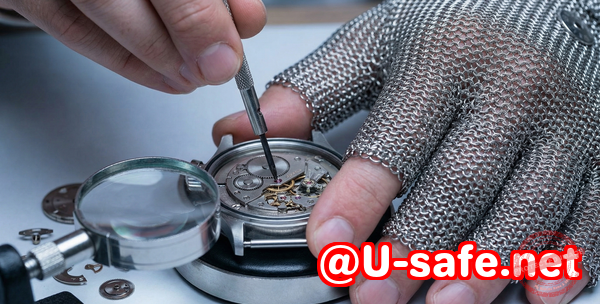
So, when exactly should you consider chainmail aprons and shirts? Let’s dive into that question while covering some practical tips for identifying high-quality chainmailbecause knowing what to look for is key to making a smart purchase.
Understanding the Need for Chainmail: Real-World Scenarios
In a busy kitchen, I once watched a chef handle raw meat with ease, wearing a cut-resistant apron. Afterward, the apron went through a rigorous cleaning process, all without so much as a snag in the fabric. That’s the kind of protection chainmail provides.
Now, let’s talk about a different scenarioindustrial work. For those working with sharp tools or machinery, wearing the right protective gear isn’t just a good idea; it’s a must. Chainmail shirts or aprons provide the ultimate safeguard against cuts and punctures, which can be life-saving in industries like food processing, construction, and even some heavy-duty cleaning.
Then, there’s the world of cosplay. The demand for historically accurate chainmail for costumes or reenactments is growing, and quality is essential here too. Many may believe that decorative chainmail is enough, but if it’s not built to last, you might be left with a damaged piece by the end of the event.
All of these situations point to one crucial thing: chainmail must be both durable and fit for purpose. But how do you know you’re choosing the right product? That’s where understanding how to inspect chainmail quality comes in.
The Problem: Spotting Low-Quality Chainmail
Here’s the problem many buyers face: how to differentiate between high-quality chainmail and low-quality knockoffs. Sometimes, chainmail looks the part but doesn’t live up to the expectations. If the metal rings are weak or poorly connected, the chainmail will fray, split, or even lose its protective function entirely.
Here are some common pain points:
-
Welded Rings vs. Open Rings: Not all rings are created equal. Welded rings are far stronger than open rings, which can compromise the structure of the chainmail.
-
Material Quality: You’ve probably seen chainmail advertised as “stainless steel,” but there are different grades of stainless steel, each with varying levels of durability and corrosion resistance.
-
Weak Weaves: Sometimes, chainmail is made with inconsistent or incorrect weave patterns, reducing its strength and protective properties.
Knowing how to check for these issues is critical, especially if you’re investing in chainmail for safety purposes.
Aegimesh Chainmail: A Solution to Your Chainmail Woes
Aegimesh chainmail offers a comprehensive solution by combining cutting-edge design with superior materials. Their chainmail products are crafted to meet the highest standards of safety and durability. Whether you’re a collector, an industrial worker, or a cosplayer, understanding the product’s construction will help you make an informed purchase.
Here’s how to properly evaluate chainmail for quality:
Step-by-Step Guide to Evaluating Chainmail
-
Inspect the Material Type
-
The two most common grades of stainless steel used in chainmail are 304 and 316.
-
304 Stainless Steel: Known for its resistance to rust and corrosion, but might not hold up as well in harsher environments.
-
316 Stainless Steel: Ideal for high-corrosion environments, offering better durability, particularly in marine or industrial settings.
-
-
Tip: Check the product description for this information. Higher-quality products will specify the grade of steel used.
-
-
Look at the Rings: Welded vs. Open
-
Welded rings are much stronger than open rings. This is especially important for safety gear, as open rings can fail under stress.
-
How to Check: Gently pull on a ring. If it moves or feels loose, it’s likely open. Welded rings will feel secure.
-
-
Check Wire Thickness and Inner Diameter
-
Wire Thickness: The thicker the wire, the more durable the chainmail. Thin wire can cause the rings to bend and break more easily.
-
Inner Diameter: The diameter of each ring impacts the weave’s tightness. If the rings are too large, the weave will be weaker and less effective.
-
-
Evaluate the Weave Pattern
-
The European 4-in-1 weave is one of the most commonly used weaves in high-quality chainmail. It offers a balance between flexibility and strength.
-
Tip: Run your hand over the weave. It should feel consistent and smooth, with no gaps or irregularities.
-
Why Proper Inspection Matters
By learning how to inspect chainmail properly, you can avoid unsafe purchases. Low-quality chainmail can be unreliable, and in some cases, it may even put you at risk. Here’s why quality matters:
-
For Industrial Use: If your chainmail is for cut protection, ensuring the material is strong and the rings are welded correctly is vital for safety.
-
For Food Processing: Food safety is a top priority, so only high-quality chainmail that is easy to clean and resistant to corrosion should be used.
-
For Cosplay or Display: Even if the chainmail isn’t meant to protect, the weave should still be strong and consistent to avoid breakage during use.
Practical Tips for Buyers
Here are some actionable tips you can use when inspecting chainmail in person or online:
-
Pull Test: Gently tug on a piece of the chainmail to see how it holds up. If any rings come loose or the material stretches too easily, it’s a red flag.
-
Look for Signs of Corrosion: Especially if you’re purchasing chainmail for food processing or industrial use, look for signs of rust or damage to the rings. It should shine, but not be prone to rusting.
-
Do Your Research: Know which weave pattern and material type are appropriate for your needs. For example, historical reenactors will prefer certain weave patterns, while industrial users need tighter weaves for better protection.
Conclusion: Make Informed Chainmail Purchases
In the end, purchasing chainmailwhether for industrial, culinary, cosplay, or historical purposesrequires careful consideration. I highly recommend following the inspection steps outlined above to ensure you’re getting a durable, high-quality product that will stand the test of time and keep you safe.
Don’t settle for low-quality, decorative chainmail that might look good in pictures but fails when it matters. Invest in quality, and you’ll avoid the frustration of broken links or insufficient protection.
For those looking to dive deeper into understanding chainmail quality, I invite you to check out the detailed chainmail inspection guide at Aegimesh. Get started on your journey to better chainmail today: Aegimesh Chainmail.
Frequently Asked Questions
1. How can I tell if a chainmail ring is welded or open?
-
Check if the ring stays intact when pulled. Welded rings feel secure, while open rings will feel loose.
2. Which stainless steel grade is best for long-lasting chainmail?
-
316 stainless steel is best for durability and corrosion resistance, especially in industrial or marine settings.
3. How do I inspect the weave pattern for strength?
-
Look for tight, even weaves, such as European 4-in-1, which provide a balance of strength and flexibility.
4. What are the signs of low-quality or unsafe chainmail?
-
Look for loose rings, poor welding, rust, or inconsistent weavesthese indicate poor craftsmanship.
5. Can decorative chainmail be used for protective purposes?
-
Decorative chainmail can look great but typically won’t offer the same level of protection as industrial-grade chainmail.
6. How do I choose the right chainmail for industrial vs. cosplay use?
-
For industrial use, focus on strength, corrosion resistance, and tight weaves. For cosplay, choose visually accurate designs with decent durability.
Tags and Keywords:
-
Chainmail quality, welded rings, stainless steel chainmail, cut-resistant chainmail, chainmail inspection, European 4-in-1 weave, chainmail durability




 한국어
한국어  Русский
  Deutsch
  العربية