


Chainmail Aprons and Long-Term Durability
Chainmail Aprons and Long-Term Durability
When purchasing chainmail for protection, display, or any other use, one of the most common struggles buyers face is identifying which products are truly high-quality. The problem is often the same: we see impressive-looking chainmail aprons, gloves, or accessories on the market, but how do we know if they’re truly durable and safe? How do we ensure they will stand the test of time, especially for demanding industries like food processing or industrial work?
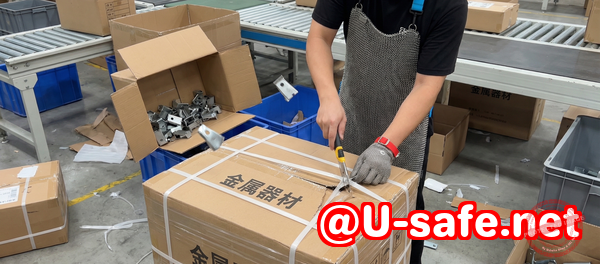
As someone who’s worked with chainmail products for years, I can tell you that it can be hard to know where to start when evaluating a piece of chainmail. However, with the right inspection methods, it’s possible to easily differentiate between a high-quality apron that will last for years and a cheap imitation that could be unsafe. Whether you’re looking for protection in the food industry, a historical replica for a collection, or durable gear for cosplay, this guide will help you make informed decisions.
Common Pain Points When Evaluating Chainmail
Evaluating chainmail can be a daunting task, especially if you’re new to it. Here are a few pain points that many buyers, collectors, and professionals experience when trying to identify high-quality chainmail products:
1. Distinguishing Welded Rings from Open Rings
Welded rings are crucial for ensuring the structural integrity of chainmail. Open rings, on the other hand, can weaken the entire weave. But how do you tell the difference? Unfortunately, the difference isn’t always visible at first glance, and many manufacturers will try to pass off open rings as welded ones. This can be a costly mistake, especially for industrial users who need reliable cut-resistant protection.
2. Understanding Stainless Steel Grades
Not all stainless steel is created equal. Stainless steel grades, like 304 and 316, can significantly affect the durability and resistance of the chainmail to corrosion. But how can you know which grade is best for your needs? If you’re using chainmail in harsh environments, such as a butcher shop or food processing plant, the last thing you want is a product that corrodes after a few uses.
3. Weak or Inconsistent Weaves
The weave pattern of chainmail plays a massive role in its strength and durability. But with the increasing popularity of decorative chainmail, it’s often hard to tell if a weave is truly functional or just for show. A weak weave can compromise the chainmail’s protective capabilities, leaving you exposed to potential injuries or failure of the product over time.
How to Inspect Chainmail for Quality
Aegimesh Chainmail is here to help you identify quality, reliable chainmail. Here’s how you can ensure you’re investing in durable and safe products, whether you’re using them for professional or personal use.
1. Inspect the Material Type (304 vs 316 Stainless Steel)
The first step in ensuring high-quality chainmail is choosing the right material. Stainless steel is the most common material used in chainmail, and it’s important to know which grade is best for your use case.
-
304 Stainless Steel: Often used for decorative chainmail or cosplay, 304 stainless steel is less resistant to corrosion and wear, making it a poor choice for industrial applications.
-
316 Stainless Steel: This is a much better option for long-lasting chainmail, especially in industries like food processing or medical applications. It has superior resistance to corrosion, particularly in environments with high moisture or exposure to chemicals.
Tip: For industrial or professional use, always opt for 316 stainless steel chainmail. For casual use or cosplay, 304 stainless steel may be sufficient.
2. Check the Ring Welding
One of the most important aspects of chainmail is the welding of the rings. High-quality chainmail uses welded rings to ensure durability. Open rings, which are simply bent into a ring shape and not welded, are far weaker and more prone to breakage.
How to check for welded rings:
-
Visual inspection: Look closely at the ring to see if the ends are fused together. A welded ring will have a smooth, seamless connection, while an open ring will have visible gaps at the ends.
-
Pull test: Gently tug on the ring. A welded ring should resist pulling apart, while an open ring will show signs of weakness when pressure is applied.
3. Examine the Wire Thickness and Inner Diameter
The thickness of the wire used to create the rings and the diameter of the rings themselves both contribute to the strength of the chainmail. Thicker wires and larger inner diameters tend to be more durable.
How to evaluate:
-
Wire thickness: Thicker wires will increase durability, but too thick can make the chainmail uncomfortable or restrictive. Aim for a balance between comfort and protection.
-
Ring diameter: A larger inner diameter means more flexibility but can reduce the overall strength of the weave. Look for a standard size that fits your needs.
4. Evaluate the Weave Pattern
The most common weave used for protective chainmail is the European 4-in-1 pattern. This weave offers excellent strength and durability, making it ideal for industrial use. When inspecting a chainmail apron or gloves, ensure that the weave is tight, consistent, and uniform across the entire piece.
Tip: Look for gaps in the weave or inconsistent ring placements. These can be signs of poor craftsmanship or a decorative weave that won’t hold up to heavy use.
Why Proper Inspection Matters
Investing in high-quality chainmail is essential, especially if you need it for safety-critical tasks. Here’s how inspecting for quality can save you in the long run:
-
Safety: Poor-quality chainmail can fail at critical moments, exposing you to injuries. Proper inspection ensures that the chainmail meets the necessary safety standards.
-
Durability: High-quality chainmail will last much longer, saving you money on replacements. Avoid buying subpar products that wear down quickly.
-
Cost Savings: By identifying low-quality products before purchasing, you’ll avoid wasting money on something that doesn’t deliver on its promises.
Step-by-Step Inspection Guide
-
Visual Inspection: Look at the overall quality. Are the rings welded or open? Do the rings seem consistent in size?
-
Ring Check: Use a magnifying glass to check the welds or perform a pull test.
-
Thickness and Diameter: Check wire thickness with a micrometer and the ring diameter by measuring the inside of a few rings.
-
Weave Evaluation: Inspect the overall weave. Does it look tight and well-maintained?
Conclusion
When purchasing chainmail products, especially for safety-critical industries, it’s vital to ensure you’re getting a high-quality product. I highly recommend following these simple inspection steps to ensure your chainmail meets both safety and durability standards. Don’t settle for subpar products that could compromise your safety or your investment.
Learn more about identifying high-quality chainmail products: Aegimesh Chainmail Guide
Check out our detailed chainmail inspection guide today.
Frequently Asked Questions
-
How can I tell if a chainmail ring is welded or open?
A welded ring will have a smooth, seamless connection, while an open ring will have a visible gap at the ends. You can also do a pull test to check for strength.
-
Which stainless steel grade is best for long-lasting chainmail?
For industrial use, 316 stainless steel is the best option. It offers superior corrosion resistance and durability compared to 304 stainless steel, which is better for decorative or casual use.
-
How do I inspect the weave pattern for strength?
The European 4-in-1 weave is one of the strongest and most durable. Check for consistency in the weave and ensure there are no gaps or irregularities.
-
What are the signs of low-quality or unsafe chainmail?
Look for weak welds, inconsistent weave patterns, signs of corrosion, or visible gaps in the rings. Poor-quality chainmail will likely have poor craftsmanship and may not offer adequate protection.
-
Can decorative chainmail be used for protective purposes?
Decorative chainmail may look great but often lacks the durability and safety features needed for industrial or protective use. It’s best suited for display or cosplay.
-
How do I choose the right chainmail for industrial vs cosplay use?
For industrial use, choose chainmail made from 316 stainless steel with welded rings and a strong weave. For cosplay, 304 stainless steel and a lighter weave can work well.
Keywords: chainmail quality, welded rings, stainless steel chainmail, cut-resistant chainmail, chainmail inspection, European 4-in-1 weave, chainmail durability




 한국어
한국어  Русский
  Deutsch
  العربية