


A Closer Look at Mesh Boning Aprons with Ring Mesh Construction
A Closer Look at Mesh Boning Aprons with Ring Mesh Construction
When it comes to purchasing chainmail products for protection or display, it’s easy to feel overwhelmed. Whether you’re a buyer seeking industrial safety gear, a collector searching for a unique piece, or a cosplayer looking for durability, there’s one thing that everyone has in common: wanting high-quality chainmail. But how can you tell if what you’re looking at is the real deal? That’s where knowing how to evaluate chainmail quality comes in.
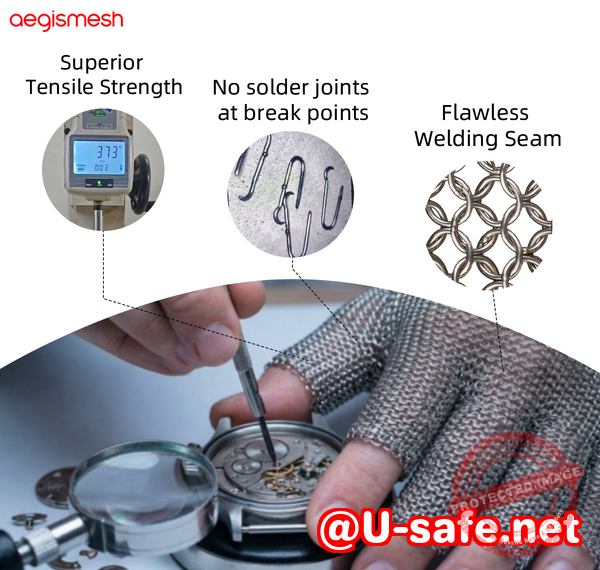
I’ve spent years learning the ins and outs of chainmail, especially when it comes to understanding the difference between high-quality and low-quality pieces. There’s a lot of confusion out there about what makes chainmail truly durable and safe, and in this article, I’m going to share some tried-and-tested tips to help you identify the best chainmail productswhether for industrial protection, food processing, or cosplay.
Common Pain Points When Evaluating Chainmail Quality
Buying chainmail isn’t always as straightforward as it might seem. Even if a product looks shiny and well-made at first glance, there are a few common pitfalls that can lead to disappointment after purchase. Here are the top issues you might face:
-
Welded Rings vs. Open Rings
One of the most common issues I see buyers face is distinguishing between welded rings and open rings. Open rings are often cheaper and weaker, leading to potential durability issues. Welding the rings ensures strength and longevity, which is especially important for protective chainmail.
-
Material Confusion
There’s a lot of talk about stainless steel grades, but how much does it really matter? In short, it matters a lot. Not all stainless steel is created equal, and different grades can impact things like resistance to corrosion, durability, and overall strength.
-
Weak or Inconsistent Weaves
The type of weave used in your chainmail affects its overall strength. The European 4-in-1 weave, for example, is one of the most common and reliable patterns, but some manufacturers cut corners by using weaker weaves that compromise durability.
Aegimesh Chainmail: Your Guide to Quality
Aegimesh Chainmail has been crafted to help you avoid all of these common issues. We’ve designed a comprehensive guide to inspecting and evaluating chainmail products to ensure they meet the highest standards of durability and safety. Here’s how you can perform your own chainmail inspection to guarantee that you’re buying a top-tier product.
1. Material Matters: Stainless Steel Grades
The material used in chainmail is crucial for determining its strength, longevity, and corrosion resistance. Stainless steel is the most common material, but did you know there are different types?
-
304 Stainless Steel: This is the most common grade used in chainmail and is excellent for general use. It’s resistant to corrosion but may not be as durable as higher-grade materials when exposed to harsh conditions.
-
316 Stainless Steel: This is the premium choice for chainmail used in industrial applications, particularly when corrosion resistance is critical (e.g., in food processing or outdoor environments). While it’s more expensive, the durability and corrosion resistance it offers are unmatched.
When you’re evaluating chainmail, always check the material. If you’re unsure, ask the seller or refer to product details. It’s worth spending a little extra on the right material to avoid dealing with rust or wear-and-tear down the line.
2. Inspect the Rings: Welded vs. Open Rings
A common mistake I see is buyers assuming that all rings in chainmail are welded. Open rings are sometimes used to cut costs, but they often lead to weak spots in the chainmail. The difference is easy to spot:
-
Welded Rings: These are forged by fusing the two ends of the wire together, creating a strong, lasting bond that’s resistant to breaking or opening.
-
Open Rings: These rings are simply bent into shape and can open over time, making them far less durable, especially for industrial or protective use.
To test if a ring is welded or open, simply give it a gentle pull. If it opens or feels flimsy, it’s likely an open ring. For safety and durability, opt for chainmail with welded rings.
3. Wire Thickness and Inner Diameter
When inspecting chainmail, it’s essential to consider both the wire thickness and the inner diameter of the rings. These features influence the overall strength and cut resistance of the chainmail.
-
Wire Thickness: A thicker wire generally provides more durability. For industrial or food handling uses, thicker wire helps to create a stronger barrier against cuts and abrasion.
-
Inner Diameter: The inner diameter of the rings impacts how closely they are linked together, which affects the flexibility and protection offered by the chainmail. A smaller inner diameter creates a tighter weave and a stronger chainmail, while a larger diameter may leave more room for damage.
Check the thickness and diameter to ensure that the chainmail will perform as expected for your intended use.
4. Weave Patterns: European 4-in-1 and Beyond
The weave pattern is another area that can make or break a chainmail piece. The European 4-in-1 weave is widely regarded as the most durable and effective design, with each ring interlocking with four others, creating a sturdy and flexible structure.
Other weaves, such as six-in-one or eight-in-one, provide even greater protection but are less flexible. When inspecting a chainmail piece, look at the weave to see if the rings are uniformly linked together. Any irregularities could indicate poor craftsmanship or a weaker structure.
How to Inspect Chainmail: Practical Tips
It’s not always easy to know what to look for, so here’s a step-by-step breakdown of how you can check the quality of chainmail before making a purchase:
-
Perform a Pull Test: Gently pull on a section of the chainmail. If the rings separate or bend too easily, it’s a sign that the product might not be up to standard. Good-quality chainmail should stay intact under tension.
-
Check for Corrosion: Inspect the rings for signs of rust or discoloration. This is especially important for chainmail used in food handling or outdoor environments. Stainless steel should remain corrosion-resistant, so if you spot any rust, it’s a red flag.
-
Evaluate the Craftsmanship: Take a close look at the weave pattern. Are the rings evenly spaced? Is there any irregularity in the way the rings connect? A high-quality weave will be consistent and tight.
-
Understand the Intended Use: Not all chainmail is created equal. For industrial use, you’ll need something more robust than what’s typically used for cosplay or decorative purposes. Always ensure the chainmail is suitable for your intended usewhether that’s for cut-resistant protection or just as a collector’s item.
Conclusion: Ensuring You Buy Quality Chainmail
By following the tips above, you can confidently assess chainmail quality and make an informed purchase. I highly recommend performing these inspections before buying any chainmail, especially if it’s for industrial or protective purposes. The last thing you want is to spend your hard-earned money on a low-quality product that doesn’t provide the protection you need.
If you want to dive deeper into chainmail inspection, check out Aegimesh’s detailed guide. We’ve designed it to help you easily navigate the world of chainmail and ensure that every purchase meets your safety and durability standards.
Learn more about identifying high-quality chainmail products: https://www.aegimesh.com/
Preguntas frecuentes
-
How can I tell if a chainmail ring is welded or open?
Simply try pulling on a ring. If it feels like it might open or bend, it’s likely an open ring. Welded rings will stay firmly in place.
-
Which stainless steel grade is best for long-lasting chainmail?
For the best durability and corrosion resistance, 316 stainless steel is ideal. It’s perfect for industrial or outdoor use. 304 stainless steel is also good for general use but may not withstand harsh environments as well.
-
How do I inspect the weave pattern for strength?
Look for consistent and tightly interwoven rings. The European 4-in-1 weave is a strong, reliable pattern that creates a sturdy structure.
-
What are the signs of low-quality or unsafe chainmail?
Signs of poor quality include open rings, irregular weaves, weak material, and visible rust or corrosion. Always check for welded rings and high-quality materials.
-
Can decorative chainmail be used for protective purposes?
Decorative chainmail may look great for cosplay or historical replicas, but it’s generally not suitable for protection. For safety, you’ll need chainmail designed with durability in mind.
-
How do I choose the right chainmail for industrial vs. cosplay use?
For industrial use, opt for thick wire, welded rings, and a tight weave. For cosplay, lighter chainmail with a looser weave may be sufficient, but it won’t offer the same protection.




 한국어
한국어  Русский
  Deutsch
  العربية