


The Best Chainmail Gloves for Industrial Workers
The Best Chainmail Gloves for Industrial Workers
When I first started exploring protective chainmail gloves for my workshop, I quickly ran into a frustrating problem: not all chainmail is created equal. I remember buying a set of gloves that looked solid in pictures, only to find that a few rings popped open after minimal use. It made me realize just how tricky it can be to identify genuinely high-quality chainmailespecially when safety is on the line. For industrial workers handling sharp tools or machinery, this isn’t just disappointingit’s dangerous.
Chainmail might seem straightforward at first glance, but the difference between a durable, cut-resistant glove and a fragile, decorative imitation often comes down to material quality, ring construction, and the weave itself. In this guide, I’ll walk you through exactly how I evaluate chainmail products, using Aegimesh Chainmail as a benchmark, so you can confidently choose gloves that protect your hands and last for years.
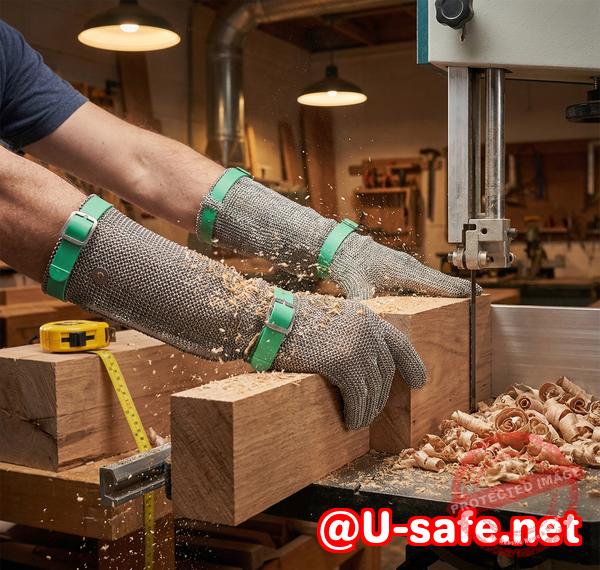
Why Evaluating Chainmail Quality Matters
Many buyersindustrial users, food handlers, collectors, or cosplayersstruggle with the same problem: determining whether a chainmail product is safe and durable. Here are a few common pain points I’ve encountered:
-
Open vs. welded rings: Some gloves use rings that aren’t fully closed or welded. Under stress, these rings can pop open, leaving your hands exposed.
-
Uncertain stainless steel grades: Not all stainless steel is equal. A glove made from low-grade steel can rust or fail under heavy use.
-
Weak or inconsistent weaves: A sloppy weave reduces flexibility and strength, making gloves prone to tearing or stretching in industrial environments.
Aegimesh Chainmail provides clear guidance on what to look for, from welded rings to proper weave patterns, making it easier to separate high-quality gloves from flimsy imitations.
Inspecting the Material: 304 vs 316 Stainless Steel
The first step in evaluating chainmail gloves is knowing the steel used:
-
304 Stainless Steel: Common, durable, and resistant to most corrosion, suitable for general industrial or cosplay use.
-
316 Stainless Steel: Superior corrosion resistance, ideal for environments with water, chemicals, or food processing.
When I’m handling knives or working in wet conditions, I always lean toward 316 stainless steel. It might cost a bit more, but it pays off in longevity and safety. One quick tip: check for manufacturer specifications or ask the seller directly. Reliable brands like Aegimesh always list the grade clearly.
Checking the Rings: Welded vs Open
A lot of chainmail failures happen at the rings. Here’s how I inspect them:
-
Look closely at each ring’s seam: Welded rings are tightly closed with no gaps; open rings have a visible seam that can split.
-
Perform a gentle pull test: Hold a few rings and apply pressure. If a ring opens easily, it’s a warning sign.
-
Examine wire thickness and inner diameter: Thin wire or inconsistent sizing can compromise strength. Industrial gloves typically use thicker gauge rings, often 1.2 mm or more.
I remember testing a batch of gloves for my workshop. Visually, they seemed identical, but under the pull test, some rings popped open instantly. It was a clear lesson that appearances alone aren’t enoughring inspection is essential.
Weave Patterns: Strength in European 4-in-1
The weave of chainmail isn’t just decorativeit affects durability and flexibility:
-
European 4-in-1 weave: Each ring links with four others, creating a tight, strong structure ideal for industrial gloves.
-
Consistency matters: Look for uniform spacing and no misaligned rings, which can weaken the glove.
When I first handled a poorly woven glove, it stretched unevenly, leaving my fingers vulnerable. A strong 4-in-1 weave, like the ones used in Aegimesh gloves, distributes force evenly and offers consistent protection.
Practical Inspection Tips
Here’s a simple step-by-step process I use to evaluate gloves before buying:
-
Check material grade Confirm 304 or 316 stainless steel.
-
Examine rings Look for weld integrity, uniformity, and gauge.
-
Perform a pull test Apply gentle pressure to test strength.
-
Inspect weave pattern Ensure a consistent European 4-in-1 weave.
-
Look for corrosion or flaws Even small rust spots or uneven rings indicate potential problems.
-
Match the glove to its intended use Industrial tasks require thicker rings and tighter weaves, whereas cosplay gloves can be lighter and more flexible.
These inspections don’t take long but can save you from unsafe gloves or a wasted purchase.
Benefits of Proper Chainmail Evaluation
Following these steps brings real benefits:
-
Avoid unsafe products: Industrial gloves must withstand sharp tools; subpar chainmail can’t protect you.
-
Ensure longevity: High-quality chainmail lasts years, even under heavy use.
-
Save money: Spotting low-quality items before purchase prevents wasted expenses on replacements.
-
Choose the right type for your task: Whether it’s cut-resistant gloves for food processing or detailed chainmail for cosplay, inspection ensures the product fits its purpose.
I’ve personally saved hundreds of dollars by carefully inspecting gloves before buying. More importantly, I’ve avoided injuries from rings that could have popped under stress.
Real-Life Example: Choosing the Right Chainmail Gloves
A colleague of mine works in a meat-processing plant. He initially bought gloves from an online seller based solely on price. Within a week, several rings popped open, forcing him to replace the gloves immediately. After switching to a high-quality, welded European 4-in-1 weave glove from Aegimesh, he reported not only improved safety but also increased confidence when handling knives. This experience highlights why careful evaluation mattersespecially in industrial settings.
Conclusion: Make Safety Your First Priority
After inspecting countless gloves, I’ve learned that small detailswelded rings, stainless steel grade, wire thickness, and weave consistencymake all the difference. By following these steps, you can ensure any chainmail purchase meets safety and durability standards. I highly recommend using the Aegimesh guide to check ring quality, weave pattern, and material before buying.
For anyone serious about hand protection or collecting high-quality chainmail, taking a few extra minutes to inspect gloves can prevent accidents and save money in the long run.
Learn more about identifying high-quality chainmail products: https://www.aegimesh.com/
Check out our detailed chainmail inspection guide today.
Preguntas frecuentes
1. How can I tell if a chainmail ring is welded or open?
Look for a seam in the ring. Welded rings have a smooth, continuous surface with no gap, while open rings show a visible split.
2. Which stainless steel grade is best for long-lasting chainmail?
316 stainless steel is preferred for wet or chemical environments due to its superior corrosion resistance, while 304 works well for general industrial and cosplay use.
3. How do I inspect the weave pattern for strength?
Check for a consistent European 4-in-1 weave, ensuring every ring links correctly with four others and spacing is even.
4. What are the signs of low-quality or unsafe chainmail?
Thin or inconsistent rings, open seams, uneven weave, and early signs of corrosion all indicate a lower-quality product.
5. Can decorative chainmail be used for protective purposes?
Decorative chainmail often uses lighter gauge rings and looser weaves, which may not provide sufficient protection for industrial tasks.
6. How do I choose the right chainmail for industrial vs cosplay use?
Industrial gloves require thicker rings, welded seams, and a tight European 4-in-1 weave. Cosplay or decorative chainmail can prioritize flexibility and aesthetics.
7. How do I perform a simple pull test?
Gently pull a few connected rings. If any open or deform easily, the chainmail may not be suitable for protective use.
Tags / Keywords
chainmail quality, welded rings, stainless steel chainmail, cut-resistant chainmail, chainmail inspection, European 4-in-1 weave, steel metal chainmail durability, industrial chainmail gloves, hand protection gloves, high-quality chainmail
This article is designed to give buyers, industrial workers, and collectors a hands-on approach to evaluating chainmail. By focusing on material, weld integrity, and weave quality, you can confidently invest in gloves that truly protect.




 한국어
한국어  Русский
  Deutsch
  العربية