


Stainless Steel Chainmail The Best Defense Against Workplace Cuts
Stainless Steel Chainmail: The Best Defense Against Workplace Cuts
When it comes to workplace safety, especially in industries that involve sharp tools, equipment, or machinery, protecting yourself from cuts is essential. But with so many types of protective gear on the market, how do you know which one truly offers the best defense? Enter stainless steel chainmail. It’s a practical solution that provides excellent protection for workers in hazardous environments, but not all chainmail is created equal. As a buyer, collector, or industrial user, knowing how to evaluate the quality of chainmail is crucial.
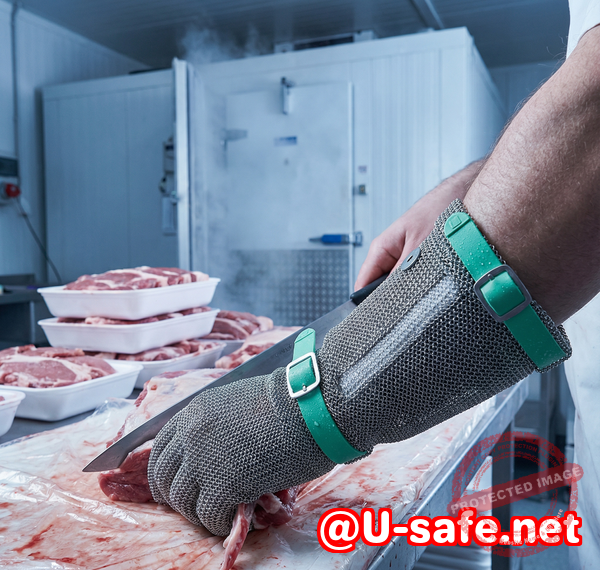
If you’ve ever found yourself questioning whether the chainmail you’re eyeing is truly up to the task, you’re not alone. It can be overwhelming trying to distinguish between high-quality, durable chainmail and those low-cost, decorative imitations. And when it comes to safety, there’s no room for error. So how do you ensure you’re getting the best of the best?
I’ll walk you through the essential steps to evaluate the quality of stainless steel chainmail, whether you’re buying it for workplace protection, cosplay, or even historical reenactments. From understanding the different types of steel to checking for proper welding and weave patterns, these tips will help you avoid unsafe or low-quality products.
Common Issues When Evaluating Chainmail
1. Spotting the Difference Between Welded and Open Rings
One of the most common mistakes buyers make is not being able to distinguish between welded and open rings. It might sound like a small detail, but the difference is huge when it comes to durability. Welded rings are essential for creating a strong, secure weave that can withstand industrial use, while open rings can easily pull apart under stress.
2. Understanding Stainless Steel Grades
Not all stainless steel is created equal, and you’ll find a range of options, from 304 to 316 stainless steel. While both types are known for their resistance to rust and corrosion, 316 stainless steel offers higher protection, especially in more challenging environments like food processing or outdoor industries. Choosing the right grade is essential for ensuring that your chainmail performs well under pressure and resists wear and tear.
3. Evaluating the Weave Pattern
When shopping for chainmail, you might encounter different weave patterns, such as European 4-in-1, which is known for its strength and durability. But not all weaves are equal in terms of their ability to protect against cuts and abrasions. A weak or inconsistent weave can compromise the chainmail’s overall protection, so it’s crucial to assess how tightly the rings are woven together.
Aegimesh Chainmail: Your Guide to Quality Chainmail
At Aegimesh, we understand that the quality of chainmail you choose can be the difference between safety and risk. That’s why we’ve created a comprehensive guide to help you make informed decisions about the chainmail you purchase. Whether you’re purchasing for industrial use, cosplay, or as a collector’s item, we offer expert advice on inspecting material quality, ring welding, wire thickness, and much more.
Let’s break it down:
1. Material Type: 304 vs 316 Stainless Steel
When you’re evaluating chainmail, the first step is to understand the material. 304 stainless steel is the more common option, and while it’s durable and resistant to corrosion, it’s not as resilient as 316 stainless steel, which is ideal for industries that require maximum durability, such as food handling or construction.
2. Welding Inspection
The next step is to inspect the rings themselves. Welded rings are far superior to open rings, as they create a stronger bond that won’t come apart easily. To check if a ring is welded, gently pull on the ringsif the connection stays intact, you’re in the clear. If the rings come apart or feel weak, you may want to reconsider your purchase.
3. Wire Thickness and Inner Diameter
Wire thickness and the inner diameter of the rings are also essential for evaluating the strength of the chainmail. Thicker wire tends to be more durable and offers better protection against cuts. In addition, you should check the inner diameter of each ring to ensure it meets the necessary standards. A well-sized ring contributes to a stronger, more durable weave.
4. Weave Patterns: European 4-in-1 Weave
One of the most popular and reliable weave patterns for industrial applications is the European 4-in-1. In this weave, each ring passes through four others, creating a strong, interlocking pattern that’s ideal for withstanding impact and stress. When inspecting chainmail, be sure to look for tight, consistent weavesthis will ensure that the material is not only durable but also flexible and comfortable to wear.
Practical Tips for Chainmail Inspection
When inspecting chainmail, it’s important to go beyond just looking at the surface. Here’s how you can verify the quality of your chainmail and ensure it’s safe and durable:
1. Perform a Simple Pull Test
If you can, pull on a small section of the chainmail to see how it holds up. The rings should be securely connected and shouldn’t come apart under pressure. This is especially important for industrial chainmail, where durability is critical.
2. Look for Signs of Corrosion
Even stainless steel can corrode over time, especially if exposed to harsh conditions. Check for any signs of rust or discoloration, especially around the rings or weave. If you notice any corrosion, this may indicate that the chainmail is of lower quality or has been poorly maintained.
3. Assess the Flexibility and Fit
Chainmail should be flexible enough to move with you but not so loose that it offers little protection. If you’re using chainmail for industrial work, ensure it fits snugly and comfortably. For cosplay or historical pieces, you may have more room for flexibility, but it should still offer a decent amount of protection against cuts.
Conclusion: Choose Quality Chainmail for Your Safety and Peace of Mind
At the end of the day, choosing the right chainmail is about more than just aesthetics. Whether you’re working in a high-risk environment or simply looking for an accessory that will stand the test of time, you deserve to invest in high-quality chainmail that provides the protection and durability you need.
By following the steps outlined abovechecking the material, inspecting the rings and weave, and performing tests to evaluate strengthyou can confidently purchase chainmail that meets your needs.
I highly recommend following these steps to ensure any chainmail purchase meets safety and durability standards. If you’re looking for guidance or want to dive deeper into chainmail inspection, feel free to explore our detailed guide at Aegimesh Chainmail.
Frequently Asked Questions
1. How can I tell if a chainmail ring is welded or open?
A simple pull test can reveal whether a ring is welded. Welded rings stay securely together, while open rings can be pulled apart.
2. Which stainless steel grade is best for long-lasting chainmail?
316 stainless steel is the best choice for durability, especially in industrial or food-processing environments. It’s more resistant to corrosion than 304 stainless steel.
3. How do I inspect the weave pattern for strength?
Look for a tight, consistent weave. European 4-in-1 is a popular and reliable pattern known for its strength and ability to withstand impact.
4. What are the signs of low-quality or unsafe chainmail?
Signs include weak or open rings, loose weaves, visible corrosion, or poor craftsmanship. Always check for welding and test the durability before purchasing.
5. Can decorative chainmail be used for protective purposes?
While decorative chainmail can look great, it may not offer the same level of protection as industrial-grade chainmail. Always ensure that it meets your safety standards if used for protection.
6. How do I choose the right chainmail for industrial vs cosplay use?
For industrial use, opt for 316 stainless steel with a strong, tight weave pattern. For cosplay, flexibility and comfort might be more important, though durability is still key.
Tags/Keywords
-
chainmail quality, welded rings, stainless steel chainmail, cut-resistant chainmail, chainmail inspection, European 4-in-1 weave




 한국어
한국어  Русский
  Deutsch
  العربية