


Why Ring Mesh is the Go-To Material for Mesh Boning Aprons
Why Ring Mesh is the Go-To Material for Mesh Boning Aprons
If you’ve ever worked in the food industry or spent time in a kitchen, you know how important it is to ensure both safety and efficiency. For professionals handling sharp knives, like in meat processing or butchering, the need for protective wear is undeniable. Mesh boning aprons, designed to protect workers from cuts and injuries, have become essential gear in these high-risk environments. But when it comes to choosing the right apron, the material matters more than you might think.
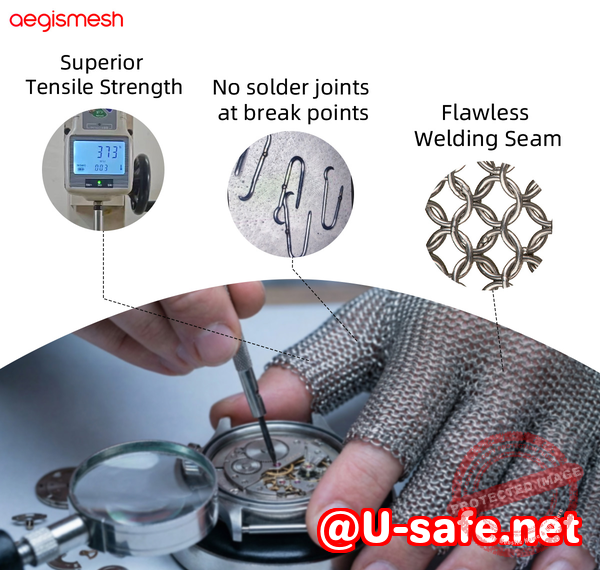
Enter ring mesh, a material that’s proven to be not only durable but also lightweight and flexible, making it the ideal choice for mesh boning aprons. But what makes it stand out? Let’s dive in and explore why ring mesh is the go-to material for this crucial safety apparel.
Understanding Chainmail: The Basics Behind Ring Mesh
To truly appreciate why ring mesh works so well for mesh boning aprons, it’s important to understand what chainmail is and how it’s made. Chainmail consists of interlinked metal rings that form a flexible and durable fabric. The mesh structure has been used for centuries, initially as armor for knights and warriors. However, its modern applications have expanded into various industries, including food processing, industrial safety, and even cosplay.
The key to chainmail’s effectiveness is its ability to absorb and disperse the force of a cut or impact. Unlike traditional fabrics that might tear or rip under pressure, the interlocking rings of chainmail prevent a knife from penetrating the material, offering excellent protection.
Why Ring Mesh?
When it comes to mesh boning aprons, ring mesh (specifically welded stainless steel rings) provides several advantages that make it a top choice for safety. The durability and flexibility of the material ensure that it can withstand the rigors of daily use in tough environments. Below are some of the reasons why ring mesh is the go-to material for mesh boning aprons:
1. Unbeatable Durability
Welded rings, which are rings that are fused together at the joints, offer a higher level of durability than open rings. The welded design prevents the rings from separating, ensuring that the mesh fabric holds together even under stress. This is especially important in a setting where workers are handling sharp objects, as the mesh needs to remain intact for optimal protection.
2. Lightweight but Strong
Despite its impressive strength, chainmail made from welded ring mesh is surprisingly lightweight. For workers who wear aprons for extended periods, this is a major advantage. The material doesn’t weigh them down, allowing for free movement while still providing the level of protection needed.
3. Corrosion Resistance
For industries like food processing, where cleanliness and hygiene are paramount, the material’s resistance to corrosion is a key factor. Stainless steel, particularly 316 stainless steel, is known for its excellent resistance to rust, ensuring that the apron will continue to perform without degrading over time. This makes ring mesh aprons an ideal choice for environments that require regular cleaning or exposure to moisture.
4. Flexibility y comodidad
Although it’s made from metal, chainmail has a unique flexibility that other materials lack. The individual rings move independently, allowing the mesh to bend and stretch with the body’s movements. This means that while the apron provides excellent cut protection, it also allows for comfort and mobilitysomething that is especially important when working in tight spaces or during long shifts.
5. Easy to Inspect for Quality
When buying a mesh boning apron, you want to make sure you’re getting the highest-quality product. Chainmail is relatively easy to inspect for flaws, unlike other materials that might hide defects beneath layers. By checking the material and construction of the ring mesh, you can ensure that you’re investing in a durable, safe product.
How to Inspect Chainmail Quality for Safety and Durability
Now that we know why ring mesh is the material of choice, let’s dive into how to evaluate the quality of chainmail products, particularly when it comes to mesh boning aprons. Here’s a step-by-step guide that will help you make an informed purchase:
1. Check the Material: 304 vs. 316 Stainless Steel
Stainless steel is the most common material used in chainmail, and not all stainless steels are created equal. There are two primary grades to look for: 304 and 316 stainless steel.
-
304 Stainless Steel: This is the more common type and is great for general use. It’s durable, corrosion-resistant, and widely available.
-
316 Stainless Steel: This grade is more expensive but offers better resistance to rust, corrosion, and pitting, particularly in harsh environments like food processing where the apron might be exposed to salt, acids, or cleaning chemicals.
If you want a high-quality apron that will last longer, especially in a high-moisture or highly acidic environment, opt for 316 stainless steel.
2. Inspect the Rings: Welded vs. Open Rings
The type of ring used in the chainmail is critical for determining its strength and durability. When inspecting a mesh apron, look for welded rings. Welded rings are fused together at the joints, making them much stronger and more resistant to pulling apart than open rings, which are simply bent and crimped together.
To test whether the rings are welded, gently pull on the mesh. If the rings feel secure and don’t separate, you’re likely dealing with high-quality, welded chainmail.
3. Evaluate Wire Thickness and Ring Diameter
The thickness of the wire and the diameter of the rings play a huge role in the overall strength of the chainmail. Thicker wires and smaller ring diameters usually mean a stronger, more durable apron. If the wire is too thin, the rings may be prone to breaking or bending under pressure.
Additionally, the inner diameter of the rings should be consistent throughout the apron. Irregularities in size can compromise the strength of the entire mesh structure.
4. Inspect the Weave Pattern
One of the most common weave patterns used in chainmail is the European 4-in-1 weave. This means that each ring is interwoven with four others, creating a dense, compact pattern that maximizes strength. When inspecting a mesh boning apron, look for this weave pattern as it’s a sign of high-quality construction.
A properly executed European 4-in-1 weave ensures that the mesh is strong enough to withstand sharp cuts without compromising flexibility.
5. Perform the Pull Test
A simple but effective way to check the quality of chainmail is by performing a pull test. Grab a section of the mesh and pull it gently in different directions. If the rings stay in place and don’t bend or separate, you’re looking at a solid, well-made apron. If the rings bend or shift, the chainmail may not provide the level of protection you need.
The Benefits of Investing in High-Quality Chainmail for Mesh Boning Aprons
By choosing the right ring mesh for your apron, you’re investing in more than just protectionyou’re ensuring that the apron will stand the test of time and maintain its integrity under heavy use. Here are some benefits of investing in a high-quality apron:
-
Safety: Protect your workers or yourself from accidental cuts and injuries. A durable, well-made apron can prevent life-threatening accidents.
-
Durability: Save money by purchasing a high-quality apron that lasts longer and doesn’t need to be replaced as often.
-
Comfort: Enjoy the flexibility and lightweight nature of ring mesh, making it easier to work for long hours without fatigue.
-
Hygiene: Stainless steel chainmail is easy to clean and resistant to corrosion, ensuring that it stays hygienic for food-related tasks.
Conclusion: Make an Informed Choice
When it comes to mesh boning aprons, choosing the right material is crucial for safety, durability, and comfort. By following the inspection methods outlined abovechecking the material, inspecting the rings, evaluating wire thickness, and assessing the weaveyou can make an informed decision and ensure that your apron provides the protection you need.
I highly recommend following these steps to ensure any chainmail purchase meets safety and durability standards. Don’t settle for low-quality products that might compromise your safety. Instead, choose chainmail made from high-quality welded rings and durable stainless steel, and you’ll have peace of mind knowing you’re protected.
Learn more about identifying high-quality chainmail products: Aegimesh Chainmail
Check out our detailed chainmail inspection guide today!
Preguntas frecuentes
1. How can I tell if a chainmail ring is welded or open?
Look closely at the rings. If the joint where the ring connects is smooth and appears fused, it’s a welded ring. Open rings will have a visible gap.
2. Which stainless steel grade is best for long-lasting chainmail?
316 stainless steel is the best choice for durability and corrosion resistance, especially in food processing or industrial environments.
3. How do I inspect the weave pattern for strength?
Look for a dense, consistent European 4-in-1 weave. This ensures strength and resistance to cuts.
4. What are the signs of low-quality or unsafe chainmail?
Look for inconsistencies in ring size, poorly welded joints, and weak or loose rings. These can compromise safety and durability.
5. Can decorative chainmail be used for protective purposes?
No, decorative chainmail is typically made with open rings and lighter materials that are not suitable for protection. Always choose industrial-grade chainmail for safety.
6. How do I choose the right chainmail for industrial vs cosplay use?
For industrial use, prioritize welded rings, thicker wire, and 316 stainless steel. For cosplay, lighter, decorative options with open rings




 한국어
한국어  Русский
  Deutsch
  العربية