


Stainless Steel vs Traditional Chainmail Which Offers Better Protection
Stainless Steel vs Traditional Chainmail: Which Offers Better Protection?
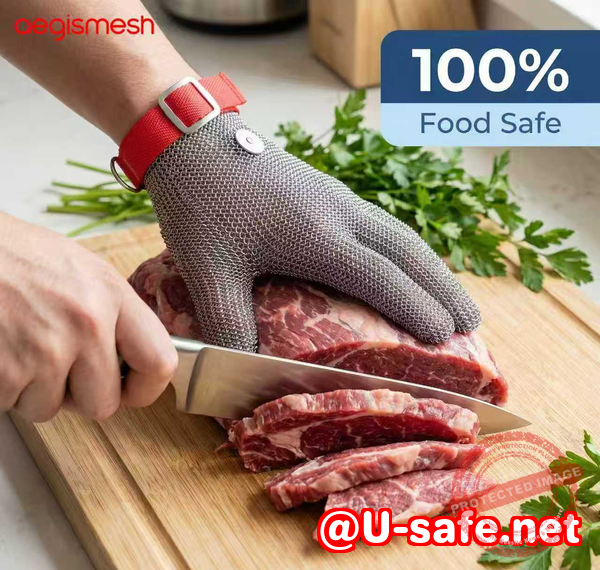
When it comes to choosing chainmail for protection or display, one of the most common challenges I see people face is figuring out which products are truly high-quality. It’s easy to get overwhelmed by the range of options on the marketespecially when there’s a mix of products meant for decorative purposes and others that serve serious, protective functions. Whether you’re buying chainmail for cosplay, food processing, or industrial use, it’s essential to know how to spot quality so you don’t waste money on a flimsy, unsafe option. In this guide, I’ll walk you through everything you need to know to make an informed decision.
The Challenge of Identifying High-Quality Chainmail
The truth is, not all chainmail is created equal. With so many different grades of stainless steel, varying weave patterns, and welding techniques, it can be tricky to assess whether the chainmail you’re looking at is built to last or if it’s just a cheap imitation. Unfortunately, cutting corners on chainmail can result in safety risks, wasted money, or products that simply don’t perform the way you expect them to.
Whether you’re a collector, a cosplayer, or an industrial user, here’s what you need to keep in mind when evaluating chainmail quality.
Key Pain Points When Buying Chainmail
1. Differentiating Welded Rings vs Open Rings
One of the first things you’ll need to identify is whether the rings of the chainmail are welded or open. Welded rings are much stronger because they’re fused together, offering better protection against breaking or unraveling. Open rings, on the other hand, might seem like a more affordable option, but they can compromise the integrity of the weave and overall strength.
2. Understanding Stainless Steel Grades
Not all stainless steel is created equal. There are different grades of stainless steel, and choosing the right one can make all the difference in durability and corrosion resistance. The two most common grades for chainmail are 304 and 316 stainless steel. While 304 stainless steel is a great all-purpose material, 316 stainless steel offers superior resistance to rust and corrosion, making it a better choice for industrial environments or food processing.
3. Inconsistent Weaves or Weak Construction
If the weave pattern isn’t tight or the rings are poorly welded, the chainmail can be weak or inconsistent. This is a big issue when you need chainmail for protectionwhether you’re using it for personal armor or in a work setting. A well-constructed weave, like the European 4-in-1, is recognized for its durability and strength.
How to Inspect Chainmail for Quality
You don’t need to be an expert to evaluate the quality of chainmail. With a few simple tips, you’ll be able to spot good-quality chainmail and avoid the bad. Here’s a step-by-step guide to inspecting chainmail for safety and durability:
1. Check the Material: 304 vs 316 Stainless Steel
First, check the material used in the chainmail. Stainless steel is the most common material, but you’ll want to look for high-quality grades like 304 or 316. Here’s a breakdown:
-
304 Stainless Steel: This is a versatile, corrosion-resistant steel that is commonly used in various applications. While it’s strong and durable, it’s not the best choice for environments exposed to harsh conditions, like saltwater.
-
316 Stainless Steel: This grade of stainless steel contains molybdenum, which offers superior corrosion resistance, especially against saltwater, chemicals, and food acids. If you plan to use the chainmail in industrial, food-handling, or marine environments, 316 is your best bet.
2. Inspect the Welding and Ring Type
Next, you’ll want to examine the rings themselves. The best-quality chainmail features welded rings, which are fused together to create a seamless, durable link. To check this, look at the rings closely. If you can see a visible seam or gap, it’s likely an open ring, which is generally weaker than welded rings.
-
Welded Rings: These rings are stronger and more durable because they’re fused together, ensuring the chainmail holds up over time.
-
Open Rings: These are more affordable but less durable. If you plan to use the chainmail for anything more than display, I’d advise against open rings.
3. Evaluate Wire Thickness and Inner Diameter
The thickness of the wire and the inner diameter of the rings are key factors in determining the strength and flexibility of the chainmail. For protective chainmail, the wire should be thick enough to resist cutting or abrasion.
-
Wire Thickness: Thicker wire means more strength and protection, but it can also make the chainmail heavier. Look for a balance based on your intended use.
-
Inner Diameter: The diameter of the rings plays a crucial role in how tightly the weave holds together. Smaller diameters typically create a stronger, more durable weave, while larger diameters might create a looser, less protective weave.
4. Inspect the Weave Pattern
When evaluating chainmail, one of the most important things to look for is the weave pattern. The European 4-in-1 weave is one of the most common and durable patterns, known for its balance of flexibility and strength. This weave is often used for protective chainmail because of its ability to distribute impact evenly across the surface.
If you’re purchasing chainmail for protection, look for a tightly woven pattern that resists penetration or cutting. Loose, inconsistent weaves can result in weaker chainmail, which might not provide the protection you’re looking for.
5. Perform a Pull Test
If you’re still uncertain about the quality, one of the easiest tests you can do is a simple pull test. Gently pull on the rings to see if they move or break. Well-made chainmail will be resistant to pulling, while low-quality or poorly welded chainmail may show signs of bending or separation under stress.
Benefits of Proper Chainmail Inspection
By taking the time to inspect chainmail before making a purchase, you can:
-
Avoid unsafe chainmail: Low-quality chainmail can be dangerous for industrial or food-processing use.
-
Ensure durability: Properly inspected chainmail will stand the test of time, whether for historical reenactments, cosplay, or protective gear.
-
Save money: Spotting low-quality chainmail early can prevent you from making an expensive mistake.
How to Determine the Right Chainmail for Your Needs
The chainmail you need depends on the purpose. If you’re purchasing for industrial or cut-resistant purposes, opt for a material like 316 stainless steel with a tight European 4-in-1 weave. For cosplay or historical replicas, a 304 stainless steel chainmail with a looser weave might be sufficient, but it will likely be less protective. Make sure to match your chainmail choice to its intended purpose for optimal safety and performance.
Conclusion
When it comes to buying chainmail, it’s crucial to understand how to identify high-quality products that offer the protection and durability you need. Always check the material, inspect the rings for welding, evaluate wire thickness and inner diameter, and look at the weave pattern to ensure you’re getting the best possible product for your needs. I highly recommend following these steps to ensure any chainmail purchase meets safety and durability standards.
If you’re looking to purchase high-quality chainmail, be sure to check out Aegimesh Chainmail’s products, where we help buyers identify the best options for their needs.
Learn more about identifying high-quality chainmail products: Aegimesh Chainmail Guide
FAQ
1. How can I tell if a chainmail ring is welded or open?
Welded rings will have a visible seam where the ends are fused together. Open rings will have a small gap where the ends meet. You can also gently pull on the rings to see if they hold together under pressure.
2. Which stainless steel grade is best for long-lasting chainmail?
316 stainless steel is the best for long-lasting chainmail, especially in environments exposed to saltwater, chemicals, or food acids. It offers superior corrosion resistance.
3. How do I inspect the weave pattern for strength?
Look for tight, consistent weaves like European 4-in-1, which is known for strength and durability. The tighter the weave, the stronger and more protective the chainmail.
4. What are the signs of low-quality or unsafe chainmail?
Signs of low-quality chainmail include poorly welded rings, loose or inconsistent weaves, thin wire, or visible corrosion. These can compromise both safety and durability.
5. Can decorative chainmail be used for protective purposes?
While decorative chainmail can look great for cosplay or as a display piece, it might not be strong enough to protect against cuts or abrasions. Always use higher-grade, tightly woven chainmail for protective purposes.
6. How do I choose the right chainmail for industrial vs cosplay use?
For industrial use, choose chainmail made from 316 stainless steel with a tight, durable weave. For cosplay, 304 stainless steel and looser weaves may be sufficient, but they won’t offer the same level of protection.
Tags or Keywords: chainmail quality, welded rings, stainless steel chainmail, cut-resistant chainmail, chainmail inspection, European 4-in-1 weave




 한국어
한국어  Русский
  Deutsch
  العربية