


Is Stainless Steel Chainmail the Best Protection for Industrial Workers
Is Stainless Steel Chainmail the Best Protection for Industrial Workers?
When it comes to selecting protective gear for industrial work, the stakes are high. Workers in environments where cutting tools, heavy machinery, or abrasive surfaces are a constant risk need to know they’re wearing equipment that will stand up to the challenge. But when it comes to chainmail, a product often associated with medieval knights or cosplay, can it really offer reliable protection for today’s industrial needs? This question gets more complicated when we factor in the vast differences in quality between chainmail products. The reality is that not all chainmail is created equal. Some are made for display or costume purposes, while others are built for durability, strength, and safety. But how can you, as a buyer, identify the difference?
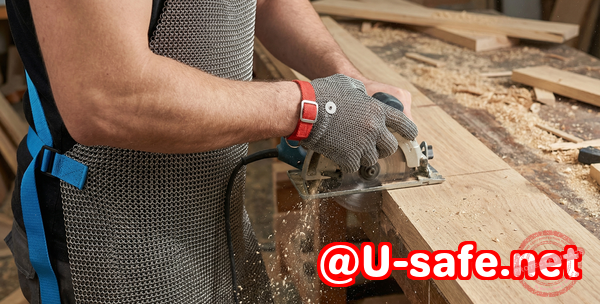
I’ve been there myself. When purchasing chainmail for safety, I often struggled to know which products were genuinely high-quality and up to industrial standards. Maybe you’ve faced the same dilemma: How do you ensure that the chainmail you’re considering won’t fall apart on the job, or worse, fail to protect when you need it most?
This article is designed to help you evaluate the quality of chainmail productsespecially when it comes to stainless steel chainmailfor professional and industrial use. Let’s dive into some practical guidance that can help you make informed, safe, and cost-effective choices.
Understanding the Basics of Chainmail Quality
Before diving into specific inspection methods, it’s important to understand what makes chainmail a great choice for industrial work. Chainmail, particularly when crafted from stainless steel, is highly resistant to cuts and abrasions. It’s often used in environments where workers face potential injuries from sharp objects, such as in the meat processing industry or metalworking.
However, not all chainmail is cut out for the task. Whether you’re buying for yourself or an entire team of workers, ensuring the right chainmail is chosen means considering several key factors, including:
-
Material Type (304 vs. 316 stainless steel)
-
Ring Welding
-
Wire Thickness and Inner Diameter
-
Weave Patterns (e.g., European 4-in-1)
Now let’s explore how to assess each of these elements to guarantee you’re getting the quality you need.
Common Mistakes When Evaluating Chainmail
Even experienced buyers can overlook critical details when evaluating chainmail. Here are a few common pitfalls you should avoid:
1. Distinguishing Welded Rings from Open Rings
One of the most important aspects of chainmail is whether the rings are welded shut or left open. Open rings may seem like a cheaper alternative, but they compromise the durability and safety of the chainmail. Welded rings, on the other hand, provide a much stronger and more reliable connection. When inspecting chainmail, always check for welded rings. A simple pull test can give you a good indicationif the rings move or come apart easily, it’s likely not welded.
2. Choosing the Wrong Stainless Steel Grade
Another mistake is choosing the wrong stainless steel grade. Stainless steel is the preferred material for industrial chainmail, but not all grades are equal. 304 stainless steel is a good all-purpose option for lower-risk environments, but for harsher conditions (such as exposure to chemicals or saltwater), 316 stainless steel is the better choice. It offers superior corrosion resistance and longer-lasting durability.
3. Overlooking Weave Patterns
You might assume all chainmail weaves are created equal, but the pattern plays a significant role in the strength and flexibility of the piece. The European 4-in-1 weave, for example, is a widely recognized pattern for its strength and flexibility. It consists of four rings passing through each one, creating a robust and even structure. Weave patterns can impact both the cut resistance and comfort of the chainmail.
How to Inspect Chainmail Quality Like a Pro
So, how do you perform a proper evaluation of chainmail before purchasing? Here’s a step-by-step guide to help you identify high-quality, safe, and durable products.
1. Check the Material
Always confirm the type of stainless steel used in the chainmail. 304 stainless steel is common but less durable, especially for industrial use. If you’re after long-term protection, particularly for food handling or environments with high moisture levels, opt for 316 stainless steel. This grade is more corrosion-resistant and better suited for heavy-duty applications.
2. Inspect the Ring Welding
Look closely at the rings. Welded rings are crucial for ensuring the chainmail holds up under pressure. You can spot a welded ring by looking for a small seam where the ends of the ring meet. If the ring is open, it’s less likely to withstand stress, and it might break or separate when subjected to impact.
3. Evaluate Wire Thickness and Inner Diameter
A thicker wire and larger inner diameter usually indicate stronger chainmail. To determine whether the wire thickness and diameter are up to standard, use a simple caliper tool. For industrial use, you should aim for a wire thickness of 1.5 mm or more. The inner diameter should also be appropriate for the weave; too large or too small could weaken the chainmail.
4. Examine the Weave Pattern
The European 4-in-1 weave is often considered the best for durability and flexibility. You can visually inspect this by checking how the rings interlock. The pattern should appear even and uniform, with each ring passing through four others. Avoid chainmail with loose, irregular weaves, as they can compromise protection and comfort.
5. Perform a Pull Test
A simple way to test the integrity of chainmail is by applying force to the rings. Take a handful of the chainmail and tug gently. If the rings stay in place and the structure remains intact, it’s likely welded correctly. If the rings separate or come undone easily, you may have an inferior product.
6. Look for Signs of Corrosion
Chainmail that’s been poorly manufactured or exposed to harsh conditions may show signs of corrosion or rust. Even small spots of rust can indicate that the material is not high-quality. Inspect your chainmail carefully to ensure there’s no discoloration or rough patches, particularly in areas that would come into contact with water or chemicals.
Why Quality Chainmail Matters
Choosing high-quality chainmail offers multiple benefits that go beyond just protection:
-
Safety: Low-quality chainmail could fail to protect you in high-risk situations. For industrial workers, this could mean the difference between a minor injury and a life-threatening one.
-
Durability: Properly welded rings, strong wire, and high-quality materials ensure that your chainmail lasts longer, saving you money on replacements.
-
Cost-effectiveness: While high-quality chainmail may cost more upfront, it’s a far better investment than cheap, fragile alternatives that might need to be replaced quickly.
Conclusion: My Recommendation
Based on my experience, I highly recommend following the inspection steps outlined in this guide to ensure any chainmail you purchase meets safety and durability standards. Don’t cut corners when it comes to protectionwhether it’s for industrial workers, cosplay, or historical replicas. If you’re unsure, always opt for a reputable manufacturer like Aegimesh Chainmail, which provides detailed guides and tools to help you assess chainmail quality.
Learn more about identifying high-quality chainmail products: Aegimesh Chainmail.
Take the time to inspect before you investyour safety and budget will thank you!
Preguntas frecuentes
How can I tell if a chainmail ring is welded or open?
Look closely at the ends of each ring. If they’re fused together with a small seam, the ring is welded. Open rings will have a visible gap.
Which stainless steel grade is best for long-lasting chainmail?
For industrial work, 316 stainless steel is your best bet due to its superior corrosion resistance. 304 stainless steel is fine for less demanding applications.
How do I inspect the weave pattern for strength?
Look for a uniform weave with rings passing through four others (European 4-in-1 weave). Avoid loose or irregular patterns.
What are the signs of low-quality or unsafe chainmail?
Signs include open rings, rust, poor craftsmanship, inconsistent wire thickness, or loose/weakened weaves.
Can decorative chainmail be used for protective purposes?
Generally, decorative chainmail is not suitable for protection as it’s made with thinner wire and weaker weaves. Always look for chainmail specifically designed for industrial or safety use.
How do I choose the right chainmail for industrial vs cosplay use?
For cosplay, aesthetics and comfort matter most, so focus on appearance and weight. For industrial use, prioritize durability, corrosion resistance, and proper welds.




 한국어
한국어  Русский
  Deutsch
  العربية