


Steel Metal Chainmail for Industrial Compliance Needs
Steel Metal Chainmail for Industrial Compliance Needs
When you’re in the market for chainmailwhether it’s for protection, display, or cosplayone of the most common challenges you’ll face is distinguishing high-quality products from the vast sea of subpar, sometimes even unsafe, options. As someone who’s been in this space for a while, I know just how tricky it can be to find chainmail that truly meets your needs. Whether it’s for industrial cut protection, historical replicas, or cosplay, you want to make sure you’re getting the right balance of durability, safety, and craftsmanship. So, how do you spot the real deal?
Let’s break it down.
The Challenge of Identifying Quality Chainmail
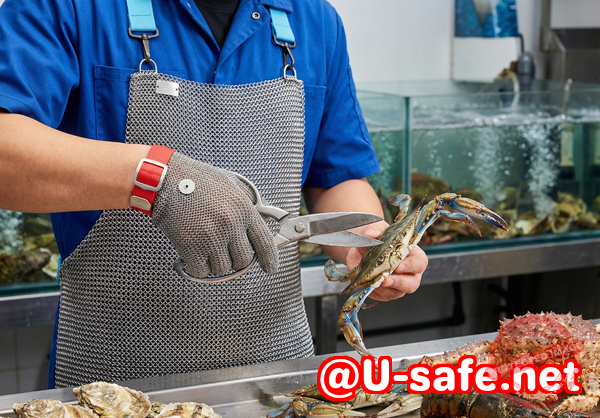
Imagine this: you’re sourcing chainmail for a job that requires real, industrial-level protectionmaybe for food processing or heavy-duty workand the last thing you want is to end up with something that looks like chainmail but falls apart after a few uses. Unfortunately, this happens more often than you’d think. Many products out there, especially in the cosplay or decorative categories, might look the part but won’t hold up under real-world conditions. And let’s not even get started on the cheap imitations that could compromise your safety in an industrial setting.
So how can you avoid making the same mistakes that others have? Let me walk you through the most important aspects to check for when evaluating chainmailwhether it’s for your own collection or your professional needs.
The Basics of Chainmail Quality
To get started, there are several things to look at when you’re inspecting a piece of chainmail. At first glance, all chainmail might look the same. However, the key differences lie in the material, the way the rings are attached, and the overall weave pattern. Let’s dive into the specifics.
Material Matters: Stainless Steel and Beyond
The first thing you want to look for when evaluating chainmail is the material. Aegimesh, for example, uses high-quality stainless steel in their chainmail products, specifically 304 or 316 stainless steel. Both of these grades are resistant to corrosion, meaning that your chainmail won’t rust or break down quickly, even in environments with moisture or extreme conditions.
304 Stainless Steel: This is a common choice for many general-use chainmail products. It’s durable, resistant to corrosion, and relatively affordable. It’s great for most applications but not ideal for extreme environments like food processing where higher standards might be required.
316 Stainless Steel: If you’re using chainmail in a more demanding environmentlike food processing, where cleanliness and hygiene are crucial316 stainless steel is the gold standard. It has a higher level of corrosion resistance, making it perfect for industries where durability and hygiene are non-negotiable.
So, how do you check this? One quick way is to check for any signs of rust or discoloration. High-quality stainless steel won’t corrode easily, and if your chainmail is starting to rust, it could be a sign that it’s either low-grade or not properly maintained.
Welded vs. Open Rings: What’s the Difference?
Another important factor is the way the rings are connected. Chainmail rings come in two main types: welded and open.
Welded Rings: These are permanently closed loops that provide much greater strength and durability. This is the kind of chainmail you want if you’re looking for long-term use, especially in industrial settings. Aegimesh’s products, for instance, are made with welded rings for maximum strength and security.
Open Rings: These rings are not welded shut, which can lead to them opening up over time. Open rings may be fine for decorative uses, but they’re definitely not up to the task for industrial or protective applications. If you see an open ring design, be cautious.
A simple pull test can help determine the integrity of welded rings. Gently pull on the rings in a couple of spots. If they feel weak or start to open, it’s likely a sign of poor craftsmanship.
Wire Thickness and Ring Diameter: Small Details, Big Impact
You’d be surprised how much the thickness of the wire and the diameter of the rings can affect the strength and durability of chainmail. A thin wire or a large inner diameter might look good aesthetically but will compromise the durability and strength of the chainmail.
Aegimesh’s chainmail uses the right balance of wire thickness and inner diameter to provide a solid, durable product. The wire should feel sturdy under your fingers, and the ring diameter should be just rightnot too tight and not too loose. If you’re buying chainmail for industrial use, thicker wires are always better for cut resistance, while the right diameter ensures that the chainmail lays correctly and doesn’t become uncomfortable.
Evaluating the Weave: European 4-in-1 Weave for Maximum Strength
One of the most common weave patterns used in quality chainmail is the European 4-in-1 weave. This refers to how each ring interlocks with four others, creating a strong, stable structure. When evaluating chainmail, take a moment to inspect the weave pattern. It should be even, consistent, and free of loose or missing rings.
This weave pattern isn’t just for show; it adds real strength to the chainmail, making it more resistant to tears, cuts, and wear. If you’re buying chainmail for protective purposes, especially for industrial use, the European 4-in-1 pattern is an essential feature to look for.
Why Chainmail Inspection Is So Important
Why go through the trouble of inspecting your chainmail? Well, poor-quality chainmail can be unsafe and prone to breakage, which is especially concerning if you’re using it for industrial or food-processing purposes. But it’s not just about safety. Taking the time to inspect your chainmail can also save you money in the long run by helping you avoid low-quality products that won’t stand the test of time.
For example, poor-quality chainmail used in a food-processing environment might break down, leaving workers vulnerable to cuts or contamination. Decorative chainmail might look great in a cosplay setting but won’t offer the same level of protection if used for heavy-duty purposes.
How to Ensure You’re Getting Quality Chainmail
Here are a few quick, practical tips to help you evaluate chainmail before making a purchase:
-
Pull Test: Test the strength of the rings by gently pulling on them. If they feel flimsy or start to open up, it’s a red flag.
-
Check for Rust: Look for any signs of corrosion. High-quality stainless steel should not rust easily.
-
Weave Consistency: Inspect the weave pattern for consistency. A high-quality piece will have evenly placed rings without any loose or missing links.
-
Material Type: Check for 304 or 316 stainless steel. This is especially important for industrial or food-handling use.
-
Wire Thickness: Thicker wire equals better durability. Check the wire thickness to ensure it’s up to the task for your needs.
Conclusion: My Recommendation for Chainmail Inspection
After years of working with chainmail in both professional and personal settings, I highly recommend following these steps to ensure any chainmail purchase meets safety and durability standards. Whether you’re buying chainmail for industrial use, cosplay, or as a collector, a simple inspection can make all the difference.
By checking the material, ring welds, wire thickness, and weave pattern, you’ll be well on your way to identifying quality chainmail that suits your needs. So, don’t skip these stepsyour safety and investment depend on it.
Learn more about identifying high-quality chainmail products: https://www.aegimesh.com/
Check out our detailed chainmail inspection guide today.
FAQ
1. How can I tell if a chainmail ring is welded or open?
Welded rings are permanently closed, while open rings can be pulled apart. A quick tug on the rings should give you a good idea.
2. Which stainless steel grade is best for long-lasting chainmail?
316 stainless steel is ideal for food processing and harsh environments due to its superior corrosion resistance. 304 stainless steel is more common for general use.
3. How do I inspect the weave pattern for strength?
Look for a consistent European 4-in-1 weave, where each ring interlocks with four others. The weave should be tight and uniform.
4. What are the signs of low-quality or unsafe chainmail?
Signs include rust, open rings, uneven weave patterns, and weak wire that bends easily. If it feels flimsy or looks poorly constructed, it’s likely low-quality.
5. Can decorative chainmail be used for protective purposes?
Not reliably. Decorative chainmail is often made with open rings and thinner wire, which won’t provide adequate protection for industrial or safety purposes.
6. How do I choose the right chainmail for industrial vs cosplay use?
For industrial use, prioritize welded rings, thicker wire, and 316 stainless steel. For cosplay, appearance matters more, so open rings and lighter materials may be acceptable.
Tags: chainmail quality, welded rings, stainless steel chainmail, cut-resistant chainmail, chainmail inspection, European 4-in-1 weave, chainmail durability




 한국어
한국어  Русский
  Deutsch
  العربية