


Steel Metal Chainmail in Manufacturing Safety Audits
Steel Metal Chainmail in Manufacturing Safety Audits
When it comes to industrial safety or costume design, one thing is often overlooked: chainmail. Whether you’re a professional buyer, a collector, or a cosplayer, purchasing the right kind of chainmail can be a challenge. It’s not as simple as picking out a design you like. There are multiple factors at playespecially when it comes to ensuring that the chainmail is durable, safe, and of high quality.
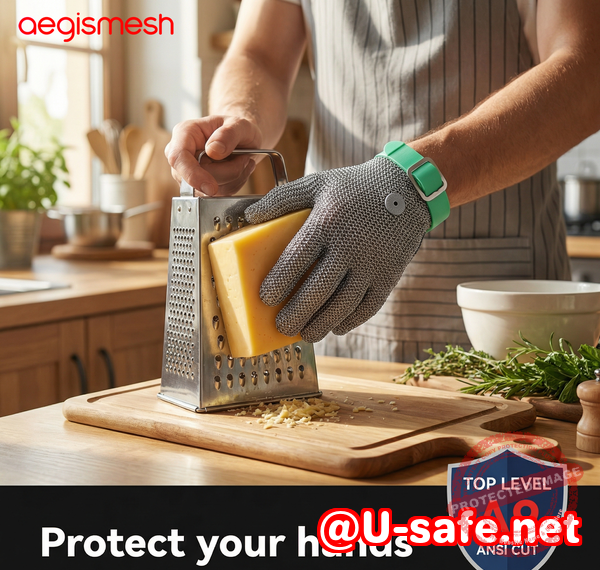
Have you ever found yourself wondering if the chainmail you’re considering is the real deal, or if it’s a cheap imitation meant for decorative purposes? Unfortunately, I’ve been there toodealing with low-quality, flimsy chainmail that falls apart at the first sign of use. This can be especially concerning when your chainmail needs to serve a critical role, like protecting against cuts in an industrial setting or meeting specific standards for food processing.
To make sure you don’t fall into the same trap I did, let’s talk about how you can easily evaluate chainmail for quality, strength, and durability. Whether you’re using it for industrial purposes, cosplay, or historical reenactments, knowing what to look for will help you make a wise, safe, and cost-effective decision.
Pain Points: The Struggles of Finding Quality Chainmail
When shopping for chainmail, there are some common pain points that many people experience:
1. Welded Rings vs. Open Rings
One of the biggest issues people face is distinguishing between welded rings and open rings. If you’re not familiar with the difference, it can be difficult to tell which one will offer more durability. Open rings can easily come apart with wear, while welded rings will stay intact, providing better protection and longevity.
2. Uncertainty about Stainless Steel Grades
Not all stainless steel is created equal. The grade of stainless steel used can significantly impact the quality and performance of the chainmail. Many buyers aren’t sure if they should go for 304 or 316 stainless steel. And believe me, the difference in corrosion resistance and durability can make or break your purchase, especially for industrial use.
3. Weak Weaves
A poorly woven chainmail is a nightmare. If the rings are too small or too loosely connected, the chainmail becomes ineffective at protecting you from cuts or abrasion. In industrial settings, you need the weave to be tight and consistent, especially when handling sharp objects. For cosplay or historical reenactments, the aesthetic appeal also depends on how well the weave is done.
At Aegimesh, we’ve developed a chainmail inspection guide to help you navigate these common pitfalls. With a little knowledge and some careful inspection, you can avoid low-quality chainmail and find products that meet your needs and last for years.
Solution: How to Inspect Chainmail for Quality
Now, let’s break down how to inspect chainmail and ensure it meets the standards for safety, durability, and appearance. I’ll walk you through a simple step-by-step process to evaluate the most important factors.
1. Material Type
The first thing you need to check is the material used to make the chainmail. Aegimesh recommends looking for either 304 or 316 stainless steel. Both grades offer excellent resistance to corrosion, but there are key differences:
-
304 Stainless Steel: Great for general use and more affordable, but it’s less resistant to corrosion when exposed to harsh chemicals or saltwater.
-
316 Stainless Steel: Better suited for industrial or food-processing applications, where resistance to rust and corrosion is essential.
You can usually identify the grade of stainless steel by checking the product description, but if you’re unsure, ask the seller directly.
2. Inspecting Ring Welding
One of the best ways to check chainmail quality is by inspecting the rings. As mentioned earlier, welded rings offer better durability than open rings. Here’s how you can tell:
-
Welded Rings: They have a small seam where the ring ends meet. You can feel it by running your finger along the ring’s edge.
-
Open Rings: These don’t have a weld, and you’ll be able to see where the ends are just looped together.
Welded rings are essential for any chainmail intended for safety or protection. They won’t fall apart easily, even under heavy stress.
3. Wire Thickness and Inner Diameter
The thickness of the wire used to make the rings and the inner diameter of those rings also play a crucial role in determining the quality of the chainmail. Thicker wire and larger rings tend to hold up better over time, especially in industrial applications.
-
Wire Thickness: A thicker wire provides stronger protection against cuts and abrasion. A thinner wire, while lightweight, may not hold up as well.
-
Inner Diameter: Rings that are too large or too small can affect the tightness of the weave and the overall durability of the chainmail. Aegimesh suggests looking for rings with an appropriate inner diameter to ensure a tight, consistent weave.
4. Weave Pattern (European 4-in-1)
The weave pattern is crucial for both strength and appearance. The most common and durable weave pattern is the European 4-in-1 weave, where each ring is interlocked with four others. This tight weave ensures that the chainmail won’t separate easily under pressure, offering better protection in industrial or cut-resistant environments.
If you’re looking for chainmail that will withstand high levels of stress, particularly in an industrial setting, make sure it uses the European 4-in-1 pattern. For lighter, decorative uses like cosplay, a different weave pattern might suffice, but it’s still important that the weave is tight and uniform.
5. Performing the Pull Test
Here’s a simple but effective test you can do at home to check the strength of your chainmail: the pull test. Hold a section of the chainmail and gently pull it apart. If the rings stay intact and the weave doesn’t stretch or break, you know that the material is of good quality. If the rings pop open or the weave unravels, it’s time to look for a better product.
Conclusion: Why Chainmail Quality Matters
When purchasing chainmail, whether it’s for industrial cut protection, cosplay, or historical replicas, understanding how to evaluate quality is key to making an informed, safe, and cost-effective decision. By paying attention to factors like the material grade, weld quality, wire thickness, and weave pattern, you can avoid unsafe or poorly made chainmail products.
I highly recommend following these inspection methods to ensure that your next chainmail purchase is up to standard. Whether you’re protecting yourself in a hazardous environment or creating an eye-catching cosplay costume, you deserve a product that performs well and lasts.
To help you further, Aegimesh provides a detailed chainmail inspection guide that walks you through everything you need to know.
Learn more about identifying high-quality chainmail products: https://www.aegimesh.com/
Check out our detailed chainmail inspection guide today.
FAQ
1. How can I tell if a chainmail ring is welded or open?
Simply run your finger along the edge of the ring. Welded rings will have a noticeable seam, while open rings will have visible ends that are simply looped together.
2. Which stainless steel grade is best for long-lasting chainmail?
For industrial use or environments exposed to harsh conditions, 316 stainless steel is the best choice due to its superior corrosion resistance. For general use, 304 stainless steel works well.
3. How do I inspect the weave pattern for strength?
Check that the rings are tightly interwoven, with each ring linked to four others (European 4-in-1 weave). This ensures that the chainmail is durable and won’t unravel under pressure.
4. What are the signs of low-quality or unsafe chainmail?
Look for open rings, weak or inconsistent weaves, thin wire, and poor welding. These signs often point to low-quality products that may not provide adequate protection.
5. Can decorative chainmail be used for protective purposes?
While decorative chainmail can look great for costumes or displays, it’s generally not suitable for protective purposes unless it meets certain durability standards (e.g., welded rings, appropriate wire thickness).
6. How do I choose the right chainmail for industrial vs cosplay use?
For industrial use, prioritize chainmail made with 316 stainless steel, welded rings, and a tight European 4-in-1 weave. For cosplay, focus on aesthetic considerations but still ensure a well-made weave and durable rings.
7. How do I ensure my chainmail is safe for food processing?
For food processing, use 316 stainless steel chainmail with tightly welded rings. The chainmail should be free from rust or any contaminants that could compromise hygiene.
Tags or Keywords
-
chainmail quality
-
welded rings
-
stainless steel chainmail
-
cut-resistant chainmail
-
chainmail inspection
-
European 4-in-1 weave
-
chainmail durability




 한국어
한국어  Русский
  Deutsch
  العربية