


Chainmail Tunics and EN 1082 Compliance
Chainmail Tunics and EN 1082 Compliance: How to Choose High-Quality Chainmail for Safety and Durability
When you’re in the market for chainmail, whether for industrial safety, cosplay, or historical reenactment, one of the most common questions that arise is: How can I be sure the chainmail I’m buying is truly high-quality and up to the task? Whether you’re a buyer, collector, or a professional, selecting the right chainmail is more complicated than just picking a shiny, steel-like piece off the shelf. Chainmail isn’t just a costume accessory; it’s a protective tool and a piece of craftsmanship, and choosing low-quality products can lead to wasted money and, worse, compromised safety.
I’ve personally gone through the process of choosing chainmail for different needs, from historical reenactments to industrial uses, and one of the things that always makes me hesitate is the fear of getting something that looks great but doesn’t stand the test of time (or safety). The last thing you want is to spend your hard-earned money on something that’s not going to hold up or protect you as promised.
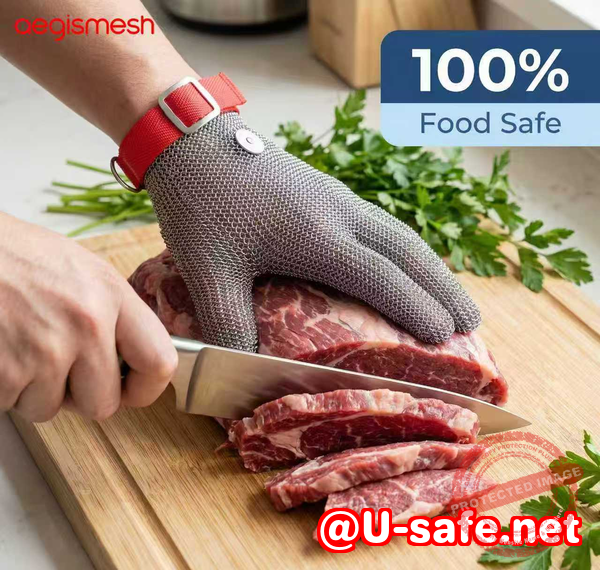
In this guide, I’m going to walk you through how to assess the quality of chainmail products, specifically focusing on tunics and safety compliance with standards like EN 1082, which are critical when choosing protective chainmail for professional use.
Understanding the Basics of Chainmail Quality
Chainmail is more than just a historic or decorative fashion statement. Today, it’s used for various applications, from industrial cut-resistant gear to costume pieces for cosplay. But regardless of the purpose, you need to be able to tell high-quality chainmail from lower-grade products. Let’s break down the most important factors to look at.
1. Material Selection: Stainless Steel 304 vs 316
The first step in determining the quality of chainmail is understanding the material it’s made from. The two main grades of stainless steel used in chainmail are 304 and 316.
-
304 Stainless Steel is the most common and cost-effective option. While it’s durable and resistant to corrosion, it’s not quite as tough as 316.
-
316 Stainless Steel, however, offers better corrosion resistance and is the best choice for more demanding environments like food processing or industrial use. It’s highly resistant to chemicals, saltwater, and extreme conditions.
When inspecting chainmail, be sure to ask what grade of steel is used in its construction. It may be tempting to choose a cheaper option, but for safety and longevity, 316 stainless steel is the way to go for industrial and high-performance uses.
2. Ring Welding: Welded Rings vs Open Rings
Another key aspect of chainmail quality is the construction of the rings. In traditional chainmail, each ring is interconnected to others to form a pattern. However, the method used to join these rings is crucial for strength and durability.
-
Welded Rings are the gold standard. When a manufacturer welds the rings closed, they ensure that the link will not come apart under pressure, providing the chainmail with its structural integrity.
-
Open Rings, on the other hand, are often used in lower-quality chainmail. These rings can come apart over time, especially with heavy wear, and are not as reliable for protective use.
When evaluating a chainmail product, gently tug on the rings or inspect the joins. If you notice any signs that the rings can open or are loosely welded, avoid the product.
3. Wire Thickness and Inner Diameter
While you’re inspecting the rings, pay close attention to the wire thickness and inner diameter.
-
Wire thickness plays a significant role in how strong the chainmail is. Thin wires might be easier to handle, but they won’t provide the same level of protection or durability.
-
Inner diameter refers to the space inside each ring. If the rings are too wide, they may not be strong enough to hold up against impact or pressure.
For industrial or protective use, you’ll want a heavier wire thickness (for durability) and a smaller inner diameter (for strength).
4. Weave Pattern: European 4-in-1
The weave pattern of the chainmail is another vital indicator of its strength. There are several types of weaves used in modern chainmail, but European 4-in-1 is one of the most commonly used patterns and for good reasonit’s incredibly strong and versatile.
-
In the European 4-in-1 pattern, each ring passes through four others, making the weave dense and sturdy.
-
This dense pattern helps distribute force across the chainmail, making it an ideal choice for both industrial safety and cosplay.
If you’re unsure, check the links’ interlocking. If they feel loose or weak, the weave might not be as durable as you need it to be.
5. Corrosion Resistance: Signs of Rust or Poor Craftsmanship
One of the most important aspects of inspecting chainmail, especially if it’s going to be used in an industrial environment, is corrosion resistance. Over time, chainmail made from lower-quality steel or untreated metal may start to rust, compromising its integrity.
When inspecting your chainmail, look for any signs of oxidation or discoloration on the rings. These could indicate low-quality materials or poor craftsmanship.
How to Inspect Chainmail Like a Pro
Now that you know what to look for, let’s break down the process of inspecting a chainmail tunic or product. These steps will help ensure that you’re purchasing something that’s durable and safe for whatever you plan to use it for.
-
Step 1: Perform the Pull Test
-
Gently pull on individual rings to check their strength. A properly made chainmail product should feel sturdy without any rings coming loose.
-
For welded rings, try bending the ring and see if it holds firm. Open rings should never be part of a quality chainmail tunic.
-
-
Step 2: Check for Consistency in the Weave
-
Inspect the weave pattern, and ensure there’s no unevenness. An inconsistent weave means that some parts of the chainmail may be weaker than others, which can compromise its performance.
-
-
Step 3: Look for Quality Craftsmanship
-
Examine the finishing of the tunic. Are the edges cleanly trimmed? Are the rings uniformly welded? Any visible imperfections might indicate poor craftsmanship and reduce the chainmail’s overall strength.
-
-
Step 4: Consider the Intended Use
-
If you’re using the chainmail for cosplay or as a display piece, a decorative piece of chainmail might suffice.
-
However, if the chainmail is going to be used for industrial cut protection, food handling, or any sort of physical protection, it’s essential that the rings are welded, the material is corrosion-resistant, and the weave is tight.
-
By following these steps, you can confidently assess the quality of any chainmail product and avoid costly or unsafe mistakes.
Conclusion: The Importance of Inspection for Safe, Durable Chainmail
When shopping for chainmail, the quality of the product is critical. Whether for industrial safety or cosplay, following the steps above to inspect the material, welds, wire thickness, and weave pattern ensures that you’re purchasing a piece that will provide the durability and protection you need.
I highly recommend following these steps to ensure that any chainmail purchase meets safety and durability standards. By carefully inspecting each piece, you’ll be able to choose a product that will stand the test of time, saving you money and ensuring that you stay safe in the long run.
To learn more about how to identify high-quality chainmail products, check out our detailed inspection guide and browse our full range of Aegimesh chainmail products today: Learn More.
Preguntas frecuentes
1. How can I tell if a chainmail ring is welded or open?
To tell if a chainmail ring is welded or open, check if the ring can be pulled apart. Welded rings will stay closed, while open rings can be pulled apart.
2. Which stainless steel grade is best for long-lasting chainmail?
For most industrial and protective uses, 316 stainless steel is the best choice because it offers superior corrosion resistance.
3. How do I inspect the weave pattern for strength?
Look for a tight, consistent weave pattern such as European 4-in-1, which offers superior strength and durability.
4. What are the signs of low-quality or unsafe chainmail?
Signs of low-quality chainmail include inconsistent rings, weak welds, rust, and poor craftsmanship. Always check for uniformity and solid construction.
5. Can decorative chainmail be used for protective purposes?
Decorative chainmail can be used for cosplay or historical replicas but should not be relied on for safety or protection against cuts.
6. How do I choose the right chainmail for industrial vs cosplay use?
For industrial use, choose chainmail made from 316 stainless steel with welded rings and a dense weave. For cosplay, decorative chainmail with open rings and lighter materials may suffice.
Keywords:
-
Chainmail quality
-
Welded rings
-
Stainless steel chainmail
-
Cut-resistant chainmail
-
Chainmail inspection
-
European 4-in-1 weave
-
Chainmail durability




 한국어
한국어  Русский
  Deutsch
  العربية