


Why Chainmail Aprons Are Still the Gold Standard
Why Chainmail Aprons Are Still the Gold Standard
When purchasing chainmail for protection or display, many of us find ourselves wondering: “How can I tell if this product is really as durable and high-quality as the seller claims?” Whether you’re shopping for industrial-grade cut-resistant gear, a cosplay accessory, or even a historical replica, identifying the quality of chainmail is no small task. There are so many factors at play materials, construction methods, and weave patterns that it can feel overwhelming to navigate the world of chainmail products. But don’t worry; I’ve been there, and I’m here to help!
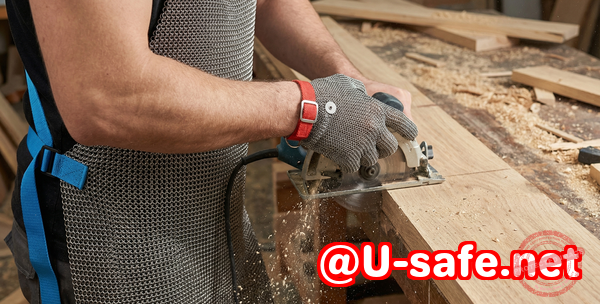
Over the years, I’ve learned that not all chainmail products are created equal. Some look great on the surface but fail to deliver on durability or safety. If you’re someone who needs to ensure their chainmail is truly up to the taskwhether that means keeping your hands safe while handling knives in a butchery, or ensuring your cosplay piece won’t fall apart at the first sight of a sword fightthen understanding how to evaluate chainmail quality is crucial.
In this post, I’ll walk you through some common challenges buyers face when evaluating chainmail, and I’ll offer practical tips on how to check the quality of chainmail products, especially aprons. By the end of this guide, you’ll know exactly how to spot a high-quality chainmail apron and avoid low-quality or unsafe purchases.
Common Pain Points in Evaluating Chainmail Quality
When I started looking for chainmail, I had no idea just how tricky it would be to tell the difference between high-quality and low-quality products. Here are a few of the most common challenges I encounteredand ones that many buyers still face today:
-
Distinguishing Between Welded and Open Rings
One of the biggest struggles is understanding the difference between welded rings and open rings. Open rings are cheaper, less durable, and prone to coming apart over time, especially when subjected to stress. Welded rings, on the other hand, offer a more robust and long-lasting solution.
-
Confusion About Stainless Steel Grades
Another frequent issue is not knowing which stainless steel grade to choose. Stainless steel grades like 304 and 316 are common in chainmail products, but what’s the difference? 304 is more affordable but not as resistant to corrosion. 316 stainless steel, however, offers superior resistance to corrosion and is often used for industrial applications. If you’re looking for chainmail that will stand the test of time, you’ll want to make sure you choose the right grade.
-
Weak or Inconsistent Weaves
A third problem is that many chainmail products have weak or inconsistent weaves that undermine the overall durability. If the weave isn’t tight and consistent, the chainmail might fail under pressure, rendering it useless for safety or industrial purposes. For example, the European 4-in-1 weave is a popular choice for its balance of flexibility and durability, but not all manufacturers use this pattern correctly.
These issues are just the tip of the iceberg, but the good news is that they’re all avoidable with the right knowledge.
Aegimesh Chainmail: A Guide to Identifying High-Quality Products
At Aegimesh, we’ve worked hard to create a resource that helps you evaluate chainmail products with confidence. Whether you’re looking for cut-resistant chainmail for industrial use, a durable apron for food processing, or a cosplay accessory, our guide will walk you through everything you need to know about chainmail quality.
Here’s how you can tell whether you’re buying a top-tier product or something that’s likely to fall apart after a few uses:
1. Inspect the Material Type
The first step is checking the material. Most high-quality chainmail is made from stainless steel, and there are two main grades to look out for:
-
304 Stainless Steel: This is a more affordable option, but it’s not as resistant to corrosion. It’s great for general use but might not be ideal for highly demanding environments, such as food processing.
-
316 Stainless Steel: This grade is more expensive but offers superior corrosion resistance, making it a better choice for harsh environments, especially in industrial or marine applications.
Tip: Always check the product details to confirm the steel grade. If you’re in doubt, ask the seller for clarification.
2. Examine the Ring Welding
One of the most important factors to check is whether the rings are welded or simply open. Welded rings provide much greater strength and durability because they are fused shut, preventing them from coming apart under stress. Open rings, however, are often weaker and can be a sign of low-quality craftsmanship.
How to Check: Look at the individual rings and see if they’re fused together. A properly welded ring will have no visible gap, while open rings will be slightly separated.
3. Check the Wire Thickness and Inner Diameter
The wire thickness and inner diameter of the rings are crucial in determining the strength and flexibility of the chainmail. Thicker wire offers more durability, but too thick of a wire can make the chainmail stiff and uncomfortable. The inner diameter of the rings should also be consistentlarger rings can weaken the overall structure of the weave.
Tip: For a balance of strength and flexibility, aim for a wire thickness that’s strong but not overly bulky. The rings should be tightly woven together with minimal space between them.
4. Evaluate the Weave Pattern
The weave pattern plays a significant role in the overall strength of the chainmail. A popular option is the European 4-in-1 weave, which provides a strong, balanced structure that’s resistant to cutting forces. This pattern is common in both industrial and decorative chainmail products because of its combination of flexibility and durability.
Tip: Inspect the weave closely. The European 4-in-1 pattern should have four rings surrounding each individual ring in a precise, symmetrical manner. If the weave is sloppy or inconsistent, it could indicate poor craftsmanship.
5. Perform a Pull Test
One of the best ways to test the durability of chainmail is to perform a simple pull test. Gently pull on the rings to check if they hold up under pressure. High-quality chainmail will resist being pulled apart, while low-quality products may show signs of weakness or the rings may even come apart.
Tip: If you’re testing a chainmail apron or glove, make sure to focus on the areas where the rings are most likely to come under stress, such as the edges and straps.
6. Look for Signs of Corrosion
Corrosion can significantly reduce the lifespan of chainmail, especially if it’s made from lower-grade stainless steel. Check for any signs of rust or tarnishing, which may indicate that the product has been made with low-quality steel or that it hasn’t been properly treated for corrosion resistance.
Tip: If you notice any discoloration, particularly around the rings or in areas where the steel might come into contact with moisture, it could be a sign of poor-quality material or manufacturing.
Why Chainmail Aprons Are Still the Gold Standard
Chainmail aprons, especially those made from high-quality stainless steel, are considered the gold standard in industries requiring cut protection. Whether you’re working in a butcher shop, handling knives in a kitchen, or in an industrial setting, a well-made chainmail apron can protect you from serious injuries.
Benefits of Using High-Quality Chainmail Aprons:
-
Protection from cuts and punctures: The dense weave and durable rings act as an effective barrier against sharp objects.
-
Long-lasting: With proper care, high-quality chainmail can last for years, making it a worthwhile investment.
-
Comfort and flexibility: Unlike many other protective gear options, chainmail aprons are flexible, breathable, and comfortable to wear for long hours.
Conclusion
In conclusion, evaluating chainmail quality is essential to ensuring safety, durability, and value for money. By following the steps outlined in this guidechecking materials, inspecting welding, testing wire thickness, and evaluating weave patternsyou can confidently make informed decisions when purchasing chainmail products. I highly recommend these inspection methods to ensure that your purchase meets safety and durability standards.
For more detailed advice on how to identify high-quality chainmail products, check out our comprehensive guide on the Aegimesh website.
Preguntas frecuentes
-
How can I tell if a chainmail ring is welded or open?
Look for a visible gap between the ringswelded rings will have no gap, while open rings will be slightly separated.
-
Which stainless steel grade is best for long-lasting chainmail?
316 stainless steel offers the best corrosion resistance and is ideal for industrial or marine environments.
-
How do I inspect the weave pattern for strength?
Check for evenness and consistency in the pattern. The European 4-in-1 weave should be symmetrical, with four rings surrounding each center ring.
-
What are the signs of low-quality or unsafe chainmail?
Signs include uneven rings, weak or inconsistent weaves, corrosion, or open rings that may come apart.
-
Can decorative chainmail be used for protective purposes?
While decorative chainmail may look great, it may not provide the same level of durability or protection as chainmail made for industrial or safety use.
-
How do I choose the right chainmail for industrial vs cosplay use?
For industrial use, prioritize durability and corrosion resistance (316 stainless steel, welded rings). For cosplay, comfort and appearance may take precedence, but ensure the weave is strong enough to withstand wear.
Tags or Keywords
-
chainmail quality
-
welded rings
-
stainless





 한국어
한국어  Русский
  Deutsch
  العربية