


How Plasma-Welded Rings Pass Tensile Strength Tests in Professional-Grade Chainmail
How Plasma-Welded Rings Pass Tensile Strength Tests in Professional-Grade Chainmail
When I first started shopping for chainmail, I remember holding two pieces that looked almost identical. Same silvery shine. Same weight in my hands. Same “stainless steel chainmail” label on the packaging. One cost nearly twice as much as the other. I stood there thinking, What am I actually paying for here? If you’ve ever bought chainmail for protection, display, cosplay, or industrial use, you’ve probably had that exact moment of doubt.
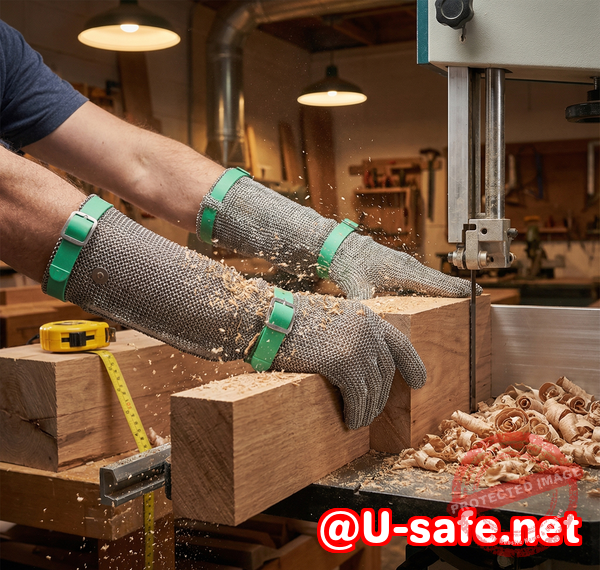
Chainmail has a reputation for strength, durability, and reliability. But not all chainmail lives up to that reputation. Some products are genuinely professional-grade, designed to pass tensile strength tests and survive harsh environments. Others are little more than decorative imitations that look impressive until the first real stress test. The difference often comes down to one critical detail: plasma-welded rings and how they perform under load.
This article is my attempt to demystify that difference. I’ll walk you through how plasma-welded rings contribute to real chainmail quality, how to inspect them yourself, and how tools like the Aegimesh Chainmail guide can help you avoid unsafe or disappointing purchases. Whether you’re buying cut-resistant chainmail for work, stainless steel chainmail for food handling, or a historically inspired piece for cosplay, these insights matter.
Discover how plasma-welded rings help professional-grade chainmail pass tensile strength tests and learn practical inspection tips to avoid low-quality, unsafe chainmail purchases.
Why Chainmail Quality Is So Hard to Judge at First Glance
One of the biggest frustrations I hear from buyers is this: “Everything looks fine until it fails.” Chainmail doesn’t usually give obvious warning signs. It doesn’t crack loudly or snap in half like rigid armor. Instead, failure can be subtle. A single ring opens. Then another. Before you know it, the weave weakens in the exact spot you were relying on for protection.
There are a few recurring pain points that make evaluating chainmail tricky:
-
Welded rings versus open rings look deceptively similar. From a distance, an unwelded ring can appear seamless, especially if it’s been pressed shut.
-
Material labels are vague or misleading. “Stainless steel” sounds reassuring, but 304 and 316 stainless steel behave very differently over time.
-
Inconsistent weaves hide weak points. A European 4-in-1 weave can be incredibly strong, but only if it’s executed with the right ring size and wire thickness.
I’ve seen buyers assume heavier chainmail automatically means better chainmail. That’s not always true. Weight can come from thicker wire, yes, but it can also come from sloppy construction or oversized rings that actually reduce tensile strength.
This is where a structured inspection approach becomes invaluable.
What Plasma-Welded Rings Actually Do (In Plain Language)
Let’s strip away the jargon for a moment. A ring in chainmail is basically a tiny loop of metal. If that loop is simply bent closed, it can be pulled open under force. Plasma welding fuses the ends of that loop together at a molecular level. Instead of relying on tension to stay closed, the ring becomes a continuous piece of metal.
Why does this matter for tensile strength tests?
Because when force is applied to chainmail, stress travels through dozens or hundreds of rings at once. An open ring concentrates stress at its gap. A plasma-welded ring distributes that stress evenly around the entire circle. In professional-grade chainmail, this difference is enormous.
I once watched a side-by-side pull test at a workshop. Two samples, same weave, same dimensions. One used welded rings, the other didn’t. The unwelded sample failed almost immediately at the weakest ring. The welded sample stretched slightly, then held. That’s the moment I truly understood why welded rings are non-negotiable for cut-resistant chainmail and industrial applications.
Aegimesh Chainmail focuses heavily on this principle. Their inspection guide doesn’t just tell you that welded rings matterit shows you how to spot them reliably.
The Real-World Role of Tensile Strength in Chainmail
Tensile strength sounds technical, but the concept is simple: how much pulling force something can withstand before it fails. In chainmail, tensile strength determines whether the mesh stays intact when snagged, cut, or stressed.
Think about a few real-life scenarios:
-
A butcher wearing cut-resistant chainmail gloves accidentally catches the mesh on a sharp bone.
-
A food-processing worker repeatedly flexes the same area of a chainmail apron during long shifts.
-
A cosplayer kneels, twists, and moves dynamically while wearing a full chainmail shirt at a convention.
In every case, the chainmail experiences tension. Plasma-welded rings help ensure that tension doesn’t translate into failure. That’s why professional-grade stainless steel chainmail is tested under controlled loads before it’s approved for serious use.
Decorative chainmail often skips this step entirely.
How I Inspect Chainmail Before Trusting It
Over time, I’ve developed a simple inspection routine. It’s not fancy, and you don’t need lab equipment. You just need patience and a willingness to look closely.
First, I check the material.
If the seller specifies the grade, that’s a good sign. 304 stainless steel is solid for general use and indoor environments. 316 stainless steel offers better corrosion resistance, especially in salty or wet conditions. If no grade is mentioned at all, I treat that as a red flag.
Next, I inspect the rings themselves.
I look for a visible weld seam. Plasma-welded rings usually show a tiny, smooth mark where the ends were fused. It shouldn’t look cracked, sharp, or uneven. If I can clearly see a gap, that ring is openno matter how tightly it’s pressed.
Then, I assess wire thickness and inner diameter.
Thicker wire generally means stronger rings, but only when paired with the right inner diameter. Oversized rings can weaken a weave. A balanced ratio is key, especially in European 4-in-1 patterns.
Finally, I study the weave.
A proper European 4-in-1 weave should look uniform. Rings should lie flat and move smoothly without twisting awkwardly. Inconsistent angles or uneven spacing often indicate rushed or low-quality assembly.
The Aegimesh Chainmail inspection guide breaks these steps down in a way that’s easy to follow, even if you’ve never handled chainmail before.
A Simple Pull Test You Can Do at Home
One of the most practical tips I share with new buyers is the pull test. It’s not a replacement for professional tensile testing, but it reveals a lot.
Here’s how I do it:
-
Hold the chainmail firmly with both hands.
-
Apply steady, even pressure, pulling in opposite directions.
-
Watch the rings closely as you pull.
What you want to see is slight movement across the weave, not individual rings opening. If a ring starts to gap or deform at the seam, that’s a warning sign. Plasma-welded rings should resist this kind of stress far better than open rings.
I’ve avoided more than one bad purchase by doing this test before committing.
Common Signs of Low-Quality or Unsafe Chainmail
After inspecting dozens of products, certain warning signs stand out immediately:
-
Visible gaps in rings, even when relaxed.
-
Rough or jagged weld points that snag fabric or skin.
-
Discoloration or early rust, especially on “stainless” products.
-
Inconsistent ring sizes within the same piece.
-
Weaves that feel stiff in some areas and loose in others.
These issues don’t just affect durability. In industrial or food-processing environments, they can become safety hazards. Broken rings can expose skin to cuts, and corrosion can contaminate products.
That’s why chainmail inspection isn’t optionalit’s essential.
Matching Chainmail to Its Intended Use
One mistake I see all the time is using decorative chainmail for protective purposes. It’s understandable. Decorative pieces are often cheaper and look impressive. But looks don’t equal performance.
For industrial cut protection, you want plasma-welded rings, verified stainless steel grades, and tight, consistent weaves. For food handling, corrosion resistance becomes just as important as tensile strength, making 316 stainless steel a smart choice.
For cosplay and historical replicas, the requirements are different. Durability still matters, especially for long wear, but the chainmail doesn’t necessarily need to withstand industrial loads. Still, knowing the difference helps you decide where you can safely compromise and where you shouldn’t.
Aegimesh Chainmail positions its guide as a reference point for all these use cases, helping buyers make informed choices rather than guessing.
Why Proper Inspection Saves Money in the Long Run
At first glance, higher-quality chainmail costs more. I won’t pretend otherwise. But replacing a failed piece, dealing with injuries, or discovering too late that your purchase isn’t suitable for its intended use costs far more.
I’ve spoken to collectors who ended up buying the same item twiceonce cheaply, once correctly. The second purchase always cost more overall.
Learning to evaluate chainmail quality upfront flips that script. You buy once, and you buy right.
Bringing It All Together
Chainmail quality isn’t about marketing claims or shiny photos. It’s about construction details that hold up under real-world stress. Plasma-welded rings, appropriate stainless steel grades, balanced ring dimensions, and consistent weaves all play a role in passing tensile strength tests and delivering professional-grade performance.
I highly recommend following these inspection steps to ensure any chainmail purchase meets safety and durability standards. Whether you’re buying for work, collection, or creativity, understanding what you’re looking at makes all the difference.
Learn more about identifying high-quality chainmail products: https://www.aegimesh.com/
Check out our detailed chainmail inspection guide today and make your next purchase with confidence.
Frequently Asked Questions
How can I tell if a chainmail ring is welded or open?
Look closely at where the ring ends meet. A welded ring will show a small, smooth seam with no visible gap. Open rings often have a clear split or rely on pressure alone to stay closed.
Which stainless steel grade is best for long-lasting chainmail?
Both 304 and 316 stainless steel are common. 304 works well for general use, while 316 offers superior corrosion resistance for wet, salty, or food-processing environments.
How do I inspect the weave pattern for strength?
Check for uniformity. In a European 4-in-1 weave, rings should lie flat, move smoothly, and maintain consistent spacing throughout the piece.
What are the signs of low-quality or unsafe chainmail?
Gaps in rings, rough welds, early corrosion, inconsistent ring sizes, and uneven weaves are all red flags.
Can decorative chainmail be used for protective purposes?
Generally, no. Decorative chainmail often uses open rings and lighter construction that isn’t designed for real stress or cut protection.
How do I choose the right chainmail for industrial versus cosplay use?
Industrial use demands plasma-welded rings, verified materials, and tested strength. Cosplay can allow more flexibility, but durability still matters for comfort and longevity.
Tags: chainmail quality, welded rings, stainless steel chainmail, cut-resistant chainmail, chainmail inspection, European 4-in-1 weave, chainmail durability




 한국어
한국어  Русский
  Deutsch
  العربية