


Carbon Steel vs Stainless Steel Chainmail
Carbon Steel vs Stainless Steel Chainmail: What You Need to Know
When purchasing chainmail, especially for safety or professional use, it can be hard to know which product offers the best protection. If you’re like me, you might have spent hours scrolling through online listings, only to end up more confused than when you started. What’s the difference between carbon steel and stainless steel chainmail? How can you tell if what you’re buying will actually do the job? These are just a few of the common concerns I hear from buyers, collectors, and industrial users alike. So, let’s dive into these questions and explore what truly sets carbon steel and stainless steel chainmail apart.
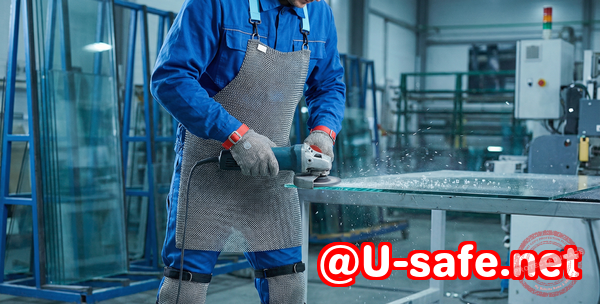
Understanding Chainmail Quality
Chainmail isn’t just a relic of medieval warfare anymore. Today, it’s used for everything from cosplay and historical reenactments to industrial cut protection and food processing. But as these different applications grow, so does the need for high-quality, reliable chainmail products. Unfortunately, many of us fall victim to low-quality chainmail that’s either too weak or not built to last.
So, what makes a high-quality chainmail product? There are several factors to keep in mind when choosing your chainmail, including material type, ring welding, wire thickness, and weave pattern. For today, we’re focusing on the big onematerial: carbon steel versus stainless steel.
Carbon Steel vs Stainless Steel: Which is Better for Your Needs?
Let’s start by breaking down the two most common types of materials used in chainmail: carbon steel and stainless steel.
Carbon Steel: Pros and Cons
Carbon steel chainmail is often the first choice for many buyers due to its strength and cost-effectiveness. Here’s a quick rundown of its pros and cons:
Pros:
-
Strength: Carbon steel is harder and more durable than many other materials, providing solid protection against cuts.
-
Cost: It’s typically cheaper than stainless steel, making it a popular option for large quantities or lower-budget projects.
-
Malleability: Carbon steel is easier to shape and form, which means you can find a variety of designs and weaves available.
Cons:
-
Corrosion: One of the biggest downsides of carbon steel is that it rusts easily. This makes it a poor choice for environments exposed to moisture, like food processing or areas with high humidity.
-
Maintenance: To prevent rust, carbon steel chainmail requires regular maintenance, such as oiling and careful storage.
Stainless Steel: Pros and Cons
Stainless steel chainmail is a bit pricier, but it comes with a set of advantages that make it the superior choice in many applications.
Pros:
-
Corrosion Resistance: The most obvious advantage of stainless steel is its resistance to rust and corrosion. This makes it ideal for use in food processing, medical environments, and any place that requires regular cleaning.
-
Durability: Stainless steel is incredibly strong and resistant to wear and tear. It can last for many years without showing signs of degradation.
-
Low Maintenance: Unlike carbon steel, stainless steel doesn’t need regular oiling or special care to prevent rust.
Cons:
-
Price: Stainless steel is generally more expensive than carbon steel. For large projects or when cost is a primary concern, it may not be the best option.
-
Hardness: While stainless steel is strong, it’s often less malleable than carbon steel. This means certain weaves and designs might be more difficult to achieve.
How to Inspect Chainmail for Quality
Whether you’re choosing between carbon steel and stainless steel, it’s important to be able to inspect chainmail products to ensure you’re getting the best value for your money. Here’s a guide to help you evaluate the quality of the chainmail before making a purchase.
1. Check the Material
The first step in inspecting chainmail is to identify the material. Most high-quality chainmail is made from 304 or 316 stainless steel for its durability and resistance to rust, though carbon steel is common in more budget-friendly products.
-
304 Stainless Steel: A general-purpose stainless steel that is corrosion-resistant, but less durable than 316.
-
316 Stainless Steel: This is the premium option for chainmail and is highly resistant to corrosion, making it perfect for food processing or industrial environments.
-
Carbon Steel: Check if the chainmail is made of high-carbon steel if it’s advertised as such. While it’s cheaper, it’s prone to rust and should be maintained regularly.
2. Inspect the Ring Welding
One of the most critical aspects of chainmail durability is the quality of the rings. Look closely at how the rings are joined. There are two main types of rings:
-
Welded Rings: These are much stronger and more reliable, making them the preferred choice for safety-related chainmail, like industrial cut protection.
-
Open Rings: These are cheaper to produce but much less durable, so avoid them if you’re looking for something to withstand significant force or wear.
3. Evaluate the Weave Pattern
The weave pattern plays a crucial role in the chainmail’s overall strength. The European 4-in-1 weave is one of the most common and durable patterns used in high-quality chainmail. It interlocks the rings in a way that maximizes protection without compromising flexibility.
-
European 4-in-1 Weave: Offers excellent protection against cuts and stabs.
-
Other Weaves: Some decorative or cosplay chainmail might use different weaves that look good but don’t offer the same level of durability.
4. Measure Wire Thickness and Ring Diameter
A good chainmail product should have a consistent wire thickness and ring diameter. Thin wires or inconsistent diameters can weaken the overall structure of the chainmail. To get the best protection, look for thicker wires and rings with uniform dimensions.
Real-World Applications: When Quality Matters
The difference between high-quality and low-quality chainmail can be the difference between protection and danger. For instance, in industrial applications, subpar chainmail might leave workers vulnerable to severe cuts, especially when working with sharp tools or machinery. On the other hand, cosplay enthusiasts need chainmail that looks authentic and is durable enough to withstand handling without falling apart.
-
For Industrial Use: Stainless steel is often the best choice due to its rust resistance and strength. If you’re working in food processing or any environment with a lot of moisture, stainless steel will ensure your chainmail remains in top condition with minimal maintenance.
-
For Cosplay and Display: Carbon steel might be more cost-effective for those who just need chainmail for display purposes or light use. However, always check the craftsmanship to avoid chainmail that will fall apart after a few uses.
Conclusion: Make an Informed Choice
In the end, whether you choose carbon steel or stainless steel depends on your specific needs. Stainless steel offers more durability and less maintenance, making it ideal for industrial use and environments exposed to moisture. Carbon steel is a more affordable option but requires regular care to keep it in good shape.
By following the inspection tips outlined above, you’ll be able to easily evaluate the quality of chainmail and make an informed decision based on your requirements. I highly recommend following these steps to ensure any chainmail purchase meets safety and durability standards. Don’t compromise when it comes to qualityespecially when it comes to something as crucial as chainmail.
FAQ
How can I tell if a chainmail ring is welded or open?
Check closely at the ring’s edges. Welded rings will have a smooth, continuous seam, while open rings will have a visible gap where the ends meet.
Which stainless steel grade is best for long-lasting chainmail?
316 stainless steel is the best for durability and corrosion resistance, especially in environments exposed to moisture or chemicals.
How do I inspect the weave pattern for strength?
Look for tight, uniform weaves. The European 4-in-1 pattern is widely considered the most durable and effective for protection.
What are the signs of low-quality or unsafe chainmail?
Signs of low quality include irregular ring sizes, open rings instead of welded ones, and weak or inconsistent weaves.
Can decorative chainmail be used for protective purposes?
While decorative chainmail might look great for cosplay, it often lacks the durability needed for protection in industrial or hazardous environments.
How do I choose the right chainmail for industrial vs cosplay use?
For industrial use, prioritize stainless steel with a welded weave pattern. For cosplay, carbon steel might be sufficient if you’re primarily concerned with aesthetics.
Ready to learn more about identifying high-quality chainmail? Check out our full chainmail inspection guide today at Aegimesh Chainmail.





 한국어
한국어  Русский
  Deutsch
  العربية