


Why Stainless Steel Chainmail Is Essential for Workers in High-Risk Jobs
Why Stainless Steel Chainmail Is Essential for Workers in High-Risk Jobs
When you’re working in a high-risk environment, such as food processing, construction, or any job that involves sharp tools, your safety is the number one priority. Imagine you’re handling meat in a butcher shop or working with heavy machinery at a construction siteone wrong move, and a serious injury could occur. For many workers in these fields, chainmail is the unsung hero of safety gear. But with so many options available, how can you be sure that the chainmail you’re investing in is high-quality and will actually protect you?
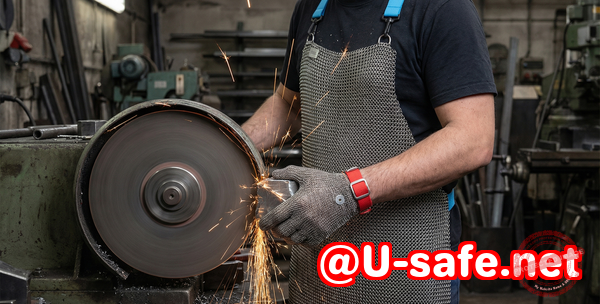
In this post, I’ll walk you through how to identify top-quality stainless steel chainmail, helping you avoid cheap imitations that could compromise your safety. I’ll also share some easy-to-follow steps for inspecting chainmail products, so you can make an informed decision. Whether you’re in food handling, industrial work, or even cosplay, getting the right chainmail could save you from costly mistakesand more importantly, protect you from serious injuries.
Common Chainmail Problems and How to Solve Them
When it comes to chainmail, quality matters. But figuring out what makes one piece of chainmail better than another isn’t always straightforward. Here are some common challenges people face when evaluating chainmail:
-
Welded vs. Open Rings
One of the most common issues I encounter is distinguishing between welded and open rings. Open rings are far less durable than welded ones and can come apart with minimal force, especially under stress. It’s easy to overlook this feature if you’re not familiar with it, but it’s crucial for ensuring that your chainmail won’t fail under pressure.
-
Understanding Stainless Steel Grades
Did you know that not all stainless steel is the same? The two most common grades used for chainmail are 304 and 316 stainless steel. While both are rust-resistant, 316 steel offers better resistance to corrosion, especially in high-salt environments, making it ideal for workers in industrial or food-processing settings.
-
Weak or Inconsistent Weaves
Chainmail’s strength relies heavily on the way the rings are woven together. If the weave pattern is inconsistent or poorly executed, the entire structure of the chainmail can be compromised. A weave pattern like the European 4-in-1 is commonly used for high-quality chainmail, providing superior protection and durability.
How to Inspect Your Chainmail for Quality
So, how do you make sure you’re purchasing the best chainmail for your needs? Here’s a simple step-by-step guide to inspecting chainmail quality. It only takes a few minutes to check, but doing so could save you from a dangerous or costly purchase.
1. Check the Material: 304 vs 316 Stainless Steel
The first thing to look for when evaluating chainmail is the material. High-quality chainmail is often made from stainless steel, but there are different grades of stainless steel. Grade 304 is more common, but it’s also more susceptible to rust and corrosion, especially in environments like kitchens or coastal regions.
What to Look For:
-
304 Stainless Steel: Corrosion-resistant but may degrade faster in high-moisture or salty environments.
-
316 Stainless Steel: Superior corrosion resistance, ideal for use in food processing, marine environments, and high-risk jobs.
2. Inspect the Ring Construction: Welded vs. Open
Next, look at how the rings are made. High-quality chainmail uses welded rings, where each ring is closed and secured with a weld. This process ensures that the rings won’t open or come apart easily, giving you the confidence that your chainmail will hold up when you need it the most.
What to Look For:
-
Welded Rings: The ends of each ring should be fused together seamlessly. You shouldn’t be able to see any gaps.
-
Open Rings: If you see gaps in the rings, or if the rings are easily pulled apart, you may be dealing with lower-quality chainmail.
3. Examine the Wire Thickness and Ring Diameter
The thickness of the wire and the size of the rings are also key indicators of chainmail quality. For industrial and food safety purposes, the wire needs to be thick enough to resist cuts, but not so thick that it’s uncomfortable or difficult to move in.
What to Look For:
-
Wire Thickness: A thicker wire adds strength but may reduce flexibility. For most safety uses, aim for a wire thickness that strikes a balance between comfort and protection.
-
Ring Diameter: A smaller inner diameter (ID) of the rings means a tighter weave, which increases the strength of the chainmail.
4. Check the Weave Pattern: European 4-in-1
One of the most reliable weave patterns used in high-quality chainmail is the European 4-in-1 weave. This style interlocks four rings around each central ring, creating a strong, tight-knit fabric that provides excellent cut protection.
What to Look For:
-
European 4-in-1 Weave: The most common and strongest pattern used for both protection and durability.
-
Inconsistent Weave: If the rings look misaligned or there are weak points in the structure, the weave may not hold up under stress.
5. Perform the Pull Test
If you want to be absolutely sure about the quality of your chainmail, perform a simple pull test. Hold a piece of chainmail firmly and give it a good tug. A high-quality piece of chainmail should resist pulling apart. If it stretches or starts to come apart, it’s a sign of weak construction or low-quality materials.
6. Look for Signs of Corrosion
While stainless steel is corrosion-resistant, it’s not immune to the elements. If you see any signs of rust, pitting, or discoloration, it’s time to rethink your purchase. Chainmail should remain shiny and rust-free, even with regular use.
Why It’s Important to Choose High-Quality Chainmail
Investing in high-quality chainmail pays off in the long run. Whether you need it for industrial cut protection, food handling, cosplay, or a historical replica, the quality of the chainmail you choose affects both your safety and your budget.
-
Safety First: Low-quality chainmail can break or tear easily, leaving you vulnerable to cuts or injuries.
-
Long-Term Durability: High-quality chainmail made from 316 stainless steel or welded rings can withstand years of use without breaking down.
-
Avoid Costly Mistakes: By learning how to inspect your chainmail, you’ll avoid purchasing inferior products that fail to meet safety standards, ultimately saving you money.
Conclusion: Make the Smart Choice for Safety and Durability
When buying chainmail, I highly recommend following these simple inspection steps to ensure that you’re choosing a high-quality, durable, and safe product. By checking the material, inspecting the welds, evaluating the ring thickness, and verifying the weave pattern, you can be confident in your purchase.
Whether you’re in need of industrial-grade protection or you’re looking for a decorative cosplay piece, taking the time to assess the quality of your chainmail is crucial. Learn more about identifying high-quality chainmail products today and check out our detailed chainmail inspection guide on Aegimesh.
FAQs
How can I tell if a chainmail ring is welded or open?
Look at the ends of the rings. Welded rings will have smooth, sealed edges, while open rings will have a visible gap.
Which stainless steel grade is best for long-lasting chainmail?
316 stainless steel is the best choice for long-lasting chainmail, especially in environments with moisture or salt, as it offers superior corrosion resistance.
How do I inspect the weave pattern for strength?
Look for a consistent European 4-in-1 weave. The rings should be closely interwoven without gaps or unevenness.
What are the signs of low-quality or unsafe chainmail?
Signs include weak or loose rings, visible rust, inconsistent weaving, or easy-to-pull-apart construction.
Can decorative chainmail be used for protective purposes?
While decorative chainmail looks great, it may not provide the same level of protection as industrial-grade chainmail, which is designed to withstand cuts and impacts.
How do I choose the right chainmail for industrial vs cosplay use?
For industrial use, prioritize chainmail made from 316 stainless steel with welded rings and a European 4-in-1 weave. For cosplay, aesthetics may matter more, but durability should still be a consideration depending on your needs.
What’s the best way to care for my chainmail?
Keep your chainmail clean and dry. Avoid exposing it to harsh chemicals or moisture for long periods, and inspect it regularly for signs of wear or corrosion.




 한국어
한국어  Русский
  Deutsch
  العربية