


Why Chainmail Is Essential in Slaughterhouses
Why Chainmail Is Essential in Slaughterhouses
Chainmail is not just a relic of medieval warfare. Today, it plays a crucial role in industries like food processing, particularly in slaughterhouses, where workers face serious risks of cuts and injuries. But with the rise in demand for chainmail products, how can buyers ensure they’re getting the best quality? In this post, we’ll take a deep dive into the importance of chainmail in slaughterhouses, how to identify high-quality products, and why choosing the right chainmail can make all the difference between safety and injury.
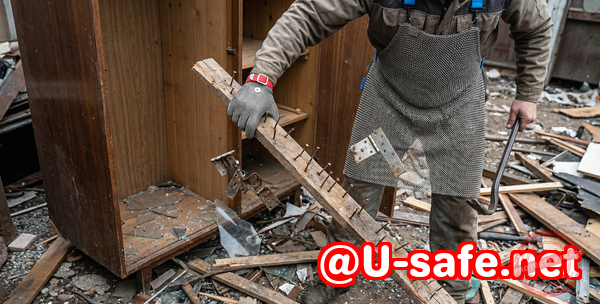
Real-Life Example: The Danger of Low-Quality Chainmail
Imagine this: You’re working in a slaughterhouse, processing meat, and using a knife for cutting. The last thing you want is for your protective gear to fail. Unfortunately, that’s a reality for many workers who wear low-quality chainmail. I recently spoke to a slaughterhouse supervisor who shared a painful story of a worker who suffered a severe hand injury because their chainmail gloves were not durable enough to withstand a sharp knife.
This highlights the critical importance of choosing chainmail that meets strict safety standards. So, how can you avoid this mistake? How can you be sure that your chainmail will perform under pressure? Let’s break it down.
Common Pain Points When Choosing Chainmail
When purchasing chainmail for protection, especially in high-risk environments like slaughterhouses, many buyers face challenges:
-
Welded vs. Open Rings: It’s difficult to tell whether a product is made with welded rings (which offer greater durability and safety) or open rings, which can break more easily.
-
Material Quality: Not all stainless steel is created equal. Choosing between grades like 304 or 316 stainless steel can be confusing, especially since these materials have different corrosion resistance properties.
-
Weave Quality: Weaves such as the European 4-in-1 pattern are known for their strength. However, not all manufacturers follow the same standards, and inconsistent weaves can compromise the overall strength of the chainmail.
Aegimesh Chainmail: Your Solution for Safe, Durable Protection
At Aegimesh, we’ve developed a chainmail inspection guide that helps buyers, collectors, and professionals ensure they’re getting top-notch quality. Our guide covers everything from inspecting the material and welds to evaluating the weave pattern and wire thickness. Let’s walk through some of the key methods you can use to evaluate chainmail and avoid low-quality products.
Step 1: Inspecting the Material
The first step in evaluating chainmail is understanding the material used. Aegimesh Chainmail is made from high-grade stainless steel, which is essential for durability and corrosion resistance.
-
304 Stainless Steel: Commonly used in food processing industries, 304 is corrosion-resistant but might not be as durable as 316 in harsher environments.
-
316 Stainless Steel: This grade is more resistant to corrosion, especially in acidic or salty environments, making it ideal for use in slaughterhouses where hygiene is paramount.
Tip: Look for the grade of stainless steel mentioned in product descriptions. Always choose 316 stainless steel for environments where exposure to moisture, blood, or salt is frequent.
Step 2: Checking the Ring Welds
One of the most significant indicators of quality chainmail is whether the rings are welded or open. Welded rings are much stronger and safer, especially in high-risk environments like slaughterhouses.
-
Welded Rings: These rings are closed with a heat or laser process, making them incredibly strong and less likely to open under pressure.
-
Open Rings: These are cheaper to make but much weaker. They can easily break open when stressed, rendering the chainmail ineffective.
Tip: Gently tug on a few rings to see if they are welded. If the ring opens or seems loose, it’s likely an open ring, which should be avoided in industrial applications.
Step 3: Evaluating the Wire Thickness and Ring Diameter
Next, you need to check the wire thickness and ring diameter. These factors directly impact the strength and durability of the chainmail.
-
Wire Thickness: Thicker wires offer better protection against cuts and stabs. Aegimesh uses thicker wires to ensure that the chainmail can withstand heavy-duty use.
-
Ring Diameter: Smaller rings provide more coverage, making it harder for sharp objects to slip through.
Tip: A good test is to feel the weight and thickness of the chainmail. If it feels too light or flimsy, it’s a sign of poor quality.
Step 4: Assessing the Weave Pattern
Chainmail weaves like the European 4-in-1 are known for their superior strength. This pattern involves four rings passing through a single ring, offering exceptional protection. It’s important to check if the weave is consistent throughout the product.
Tip: If the weave looks uneven or inconsistent, it’s a sign that the manufacturer cut corners. Consistency is key for safety and durability.
The Benefits of Proper Chainmail Inspection
By following these inspection steps, you can avoid purchasing low-quality chainmail, which might fail under stress. Here are some key benefits of ensuring high-quality chainmail:
-
Safety: The most important factor. Quality chainmail ensures that workers are protected from cuts and stabs, reducing the risk of injury in dangerous environments like slaughterhouses.
-
Durability: High-quality chainmail lasts longer, saving you money in the long run. You won’t have to replace it as often.
-
Money-Saving: By recognizing low-quality products before purchase, you can avoid wasting money on gear that won’t meet your safety needs.
Conclusion: Choosing the Right Chainmail for Your Needs
In the end, choosing the right chainmail is essential for safety, durability, and peace of mind. I highly recommend following these inspection steps to ensure that any chainmail you purchase meets the safety and durability standards necessary for industrial use, cosplay, or display. Don’t settle for subpar products; choose Aegimesh Chainmail to guarantee you’re getting the best protection possible.
Learn more about identifying high-quality chainmail products: Aegimesh Chainmail Guide. Check out our detailed chainmail inspection guide today.
FAQs
-
How can I tell if a chainmail ring is welded or open?
Simply tug on a few rings. Welded rings will remain intact, while open rings may pull apart.
-
Which stainless steel grade is best for long-lasting chainmail?
316 stainless steel is the best choice for durability, especially in food processing environments like slaughterhouses.
-
How do I inspect the weave pattern for strength?
Check for a consistent and uniform weave. The European 4-in-1 pattern is particularly strong and ideal for industrial use.
-
What are the signs of low-quality or unsafe chainmail?
Look for signs like uneven rings, thin wire, poor welds, and inconsistent weaves. These can all indicate low-quality products.
-
Can decorative chainmail be used for protective purposes?
While decorative chainmail may look great, it’s typically not designed for protection. Always choose industrial-grade chainmail for safety.
-
How do I choose the right chainmail for industrial vs cosplay use?
For industrial use, always prioritize safety by selecting durable, welded rings and thicker wire. For cosplay, appearance is more important, but still ensure the chainmail is durable enough to withstand wear.
-
How can I save money when buying chainmail?
Inspect the material, ring quality, and weave pattern before purchasing. Identifying low-quality products upfront will help you avoid wasting money on replacements.
Tags or Keywords
-
Chainmail quality
-
Welded rings
-
Stainless steel chainmail
-
Cut-resistant chainmail
-
Chainmail inspection
-
European 4-in-1 weave
-
Chainmail durability




 한국어
한국어  Русский
  Deutsch
  العربية