


What to Look for When Buying Steel Metal Chainmail
What to Look for When Buying Steel Metal Chainmail
If you’ve ever found yourself standing in front of a display of shiny chainmail, wondering if the product in your hands is truly high-quality or just a cheap imitation, you’re not alone. Whether you’re a collector, cosplayer, or someone in need of protective gear, the challenge of choosing the right chainmail can feel overwhelming. How can you tell if it’s strong enough for protection or if it’s just a decorative piece? Is it made from durable material or will it fall apart after a few uses? I’ve been in your shoes, and over the years, I’ve learned that a little bit of knowledge goes a long way in ensuring you make an informed, safe, and worthwhile purchase.
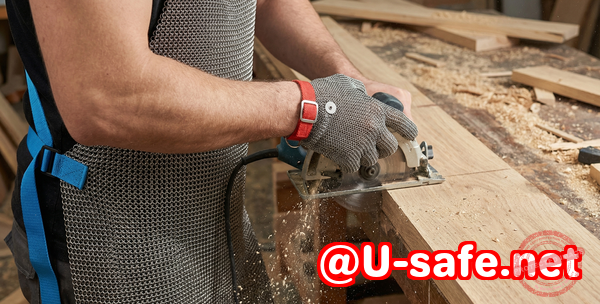
In this guide, I’ll walk you through exactly what to look for when buying steel metal chainmailwhether you’re gearing up for a historical reenactment, buying for industrial safety, or looking to level up your cosplay costume. From inspecting materials to understanding different weave patterns, I’ll share practical tips and simple inspection methods to help you spot high-quality chainmail every time.
Common Problems When Buying Chainmail
Before we dive into the specifics of chainmail inspection, let’s take a look at a few common mistakes people make when buying chainmail:
-
Not knowing how to spot genuine chainmail: Chainmail isn’t just about the rings. Many cheaper products use welded rings that are poorly made, or worse, use plastic rings disguised as metal. These rings may look shiny but won’t hold up under pressure.
-
Misunderstanding material quality: Not all steel is created equal. If you’re buying chainmail for protectionwhether from cuts or abrasionsyou need to be confident in the steel’s corrosion resistance and tensile strength. Choosing the wrong grade of steel can leave you with a piece that’s either too weak or prone to rusting.
-
Overlooking the importance of weave patterns: A common misconception is that all chainmail weaves are the same. They aren’t. The strength and durability of chainmail largely depend on the weave pattern, and the right one for your needs can make all the difference between safety and injury, or durability and damage.
These mistakes are easy to avoid if you know what to look for. Fortunately, this guide will help you navigate through the maze of chainmail options and make a choice you can trust.
Understanding Chainmail Materials and Quality
When it comes to chainmail, the material is everything. Without a strong foundation, even the best weave can’t save your piece from failure. Let’s break down the key factors that affect the quality of chainmail:
1. Choosing the Right Stainless Steel: 304 vs 316
There are different types of stainless steel used in chainmail, and the two most common grades you’ll encounter are 304 and 316 stainless steel. Both are durable and resistant to corrosion, but they have different strengths:
-
304 Stainless Steel: Often referred to as “food grade” steel, 304 is highly resistant to rust and corrosion. It’s widely used in general-purpose chainmail, including for historical reenactments and cosplay. It offers great strength and is generally a more affordable option.
-
316 Stainless Steel: This is the higher-end choice. Often called “marine grade” steel, 316 has a higher resistance to corrosion, especially in harsh environments like saltwater. If you’re buying chainmail for industrial use, especially in environments where moisture or food safety are concerns, 316 is the way to go.
So, what should you choose? If you’re buying chainmail for industrial cut protection or food processing, 316 stainless steel is your best bet for durability and resistance to environmental factors. For cosplay or historical displays, 304 stainless steel is perfectly suitable.
2. Welded Rings vs Open Rings: What’s the Difference?
One of the first things to look for when inspecting chainmail is whether the rings are welded or open. Here’s why that matters:
-
Welded Rings: The rings are welded shut, making the chainmail stronger and more durable. Welded rings won’t fall apart or loosen over time, which is crucial if you’re buying chainmail for safety or industrial applications.
-
Open Rings: These rings are not welded and can be opened and closed. While open rings are suitable for decorative pieces or lightweight cosplay, they aren’t as secure as welded rings. If you’re buying chainmail for protection or durability, welded rings are a must.
3. Wire Thickness and Inner Diameter
The thickness of the wire and the inner diameter of the rings both play a role in the strength and durability of the chainmail. Here’s what to check:
-
Wire Thickness: A thicker wire will naturally provide more strength and durability. If the wire is too thin, the chainmail may bend or break under pressure.
-
Inner Diameter: The inner diameter of the rings affects how tightly the weave holds together. A smaller inner diameter means the rings will interlock more securely, which contributes to a stronger weave. However, if the diameter is too small, it can make the chainmail stiff and uncomfortable to wear, so there’s a balance to be found.
Inspecting the Weave Pattern for Strength
Now that you’ve checked the material and rings, the next step is to assess the weave pattern. The way the rings are woven together affects the overall strength and flexibility of the chainmail. One of the most common and durable weave patterns is the European 4-in-1.
European 4-in-1 Weave
This is a classic weave pattern where each ring is passed through four others, creating a solid, balanced structure. The European 4-in-1 weave is known for its strength and flexibility, making it ideal for both protective chainmail and decorative pieces. It’s a great all-purpose weave, and it holds up well in real-world applications like cut-resistant chainmail for industrial use or historical armor.
Other Weaves
While 4-in-1 is popular, there are other weaves you might come across, including 6-in-1, 8-in-1, and 12-in-1. These patterns provide extra protection but can be heavier and less flexible. If you’re buying chainmail for cosplay or historical displays, lighter weaves like 4-in-1 may be sufficient, but if you need something stronger for safety or work purposes, look for heavier weaves.
Simple Inspection Tips: How to Tell Quality Chainmail
Here are a few easy steps you can take to inspect chainmail quality yourself:
-
Perform the Pull Test: Gently pull at the rings to check if they move. A high-quality chainmail should feel tightly interlocked, with no rings pulling apart or loosening. If you notice any that shift too easily, it’s a sign of poor craftsmanship.
-
Look for Corrosion: Check for any rust spots or signs of oxidation. While some minor rusting may occur over time (especially with lower-quality steel), significant corrosion is a red flag for a low-quality product.
-
Inspect the Weave: Make sure the rings are properly aligned and interlocked. If the weave looks uneven or if some rings aren’t threaded through others properly, the chainmail could fail when put under stress.
Conclusion: Make Smart Chainmail Purchases
Choosing high-quality chainmail doesn’t have to be difficult. By paying attention to the material, ring quality, and weave pattern, you can ensure that your purchase will meet your needswhether it’s for cut protection, cosplay, or historical reenactments.
I highly recommend following the inspection methods I’ve outlined here. It’ll give you peace of mind knowing that the chainmail you choose is strong, durable, and safe for whatever use you have in mind. Whether you’re buying for practical protection or simply as a collectible, these tips will help you spot low-quality chainmail and avoid making an expensive mistake.
To learn more about high-quality chainmail products and how to evaluate them, check out our Aegimesh Chainmail Inspection Guide.
FAQs
1. How can I tell if a chainmail ring is welded or open?
Look closely at the edges of the rings. If the ends of the ring are fused together, it’s welded. If there’s a visible gap where the ends don’t meet, it’s open.
2. Which stainless steel grade is best for long-lasting chainmail?
For maximum durability and resistance to corrosion, 316 stainless steel is the best choice, especially in harsh environments like food processing or marine applications.
3. How do I inspect the weave pattern for strength?
Check the tightness of the weave and look for any gaps where the rings don’t interlock properly. The European 4-in-1 weave is generally the best for strength and flexibility.
4. What are the signs of low-quality or unsafe chainmail?
Look for rust, loose rings, uneven weaves, or rings that can be pulled apart easily. Poorly welded rings or weak materials are also red flags.
5. Can decorative chainmail be used for protective purposes?
Decorative chainmail may not offer the same durability or protection as properly constructed industrial-grade chainmail. Always ensure the material and weave pattern match your needs.
6. How do I choose the right chainmail for industrial vs cosplay use?
For industrial use, choose chainmail made from 316 stainless steel with a strong weave like European 4-in-1. For cosplay, 304 stainless steel with a lighter




 한국어
한국어  Русский
  Deutsch
  العربية