


Water Resistance and Durability of Chainmail
Water Resistance and Durability of Chainmail
When purchasing chainmail for protection or display, I often struggle to know which products are genuinely high-quality. It’s a common problem, and if you’re reading this, chances are you’ve encountered the same issue. Whether you’re looking for a protective work garment, a stunning piece for cosplay, or a piece for a historical replica, you want to ensure you’re getting the best value for your money, and most importantly, you want to know that it’s durable and safe.
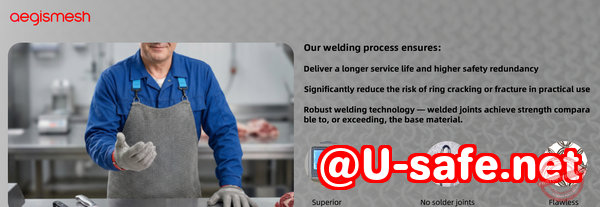
Chainmail can be an excellent choice for a wide variety of purposescut protection in industrial settings, historical reenactments, or even a cool costume for a medieval fantasy role-playing game. But, just like any other product, not all chainmail is created equal. The challenge lies in identifying high-quality chainmail that will last and meet your needs. It’s easy to get confused by the vast range of materials, weaves, and designs available. One key factor in making the right purchase is understanding the water resistance and durability of the chainmail you’re looking at.
Common Problems When Evaluating Chainmail
When it comes to chainmail, there are a few key concerns that most buyers face:
-
Difficulty Distinguishing Welded Rings from Open Rings
Many chainmail products feature rings that are either welded or open. The difference is crucial. Open rings are more prone to breaking, while welded rings offer better durability and strength. The challenge is that it’s not always obvious at first glance, and sellers may not always highlight this difference.
-
Uncertainty About Stainless Steel Grades and Corrosion Resistance
Not all stainless steel is created equal. You may come across chainmail made from 304-grade steel, which is common, but for higher durability and better corrosion resistance, 316-grade steel is often the best choice. Without knowing the grades and how they affect performance, it can be difficult to know what’s worth your investment.
-
Weak or Inconsistent Weaves
Another common issue with chainmail, particularly in cheaper products, is weak or inconsistent weaves. If the rings are not tightly woven or the weave pattern is irregular, the chainmail won’t offer the level of protection or durability you need.
Solution: Aegimesh Chainmail Quality Guide
Luckily, there’s a simple way to ensure you’re buying the right chainmail: perform a thorough inspection. At Aegimesh, we’ve developed a comprehensive guide that helps you evaluate the true quality of chainmail, focusing on key elements like weld quality, material selection, wire thickness, and weave patterns. Let me walk you through how you can easily assess chainmail to ensure you’re getting a safe, durable product.
Step 1: Check the Material Type
When evaluating chainmail, one of the most important factors is the material used to create the rings. Stainless steel is the most common, but not all stainless steel is made the same.
-
304 Stainless Steel: This is the most widely used grade for chainmail. It offers a good balance of strength and corrosion resistance but may not be the best option for environments where exposure to water or chemicals is frequent.
-
316 Stainless Steel: This is a higher-grade steel that provides better corrosion resistance, making it ideal for environments exposed to water, chemicals, or salt. If you’re purchasing chainmail for use in food handling or for outdoor use in harsh conditions, 316-grade stainless steel is the better choice.
Tip: Always check the product description or ask the seller what stainless steel grade is used in the chainmail. If you’re unsure, opt for 316-grade steel for the added protection.
Step 2: Inspect Ring Welding
Next, let’s talk about the rings themselves. Are they welded or open?
-
Welded Rings: These are permanently fused together, making them much stronger and more durable. Welded rings will hold up over time, even with wear and tear.
-
Open Rings: These are not fused together and are often weaker. Over time, they can slip apart, leading to gaps in the weave and reduced durability.
Tip: Perform a simple tug test on a single ring to see if it moves or feels loose. If it feels sturdy and doesn’t move, it’s likely a welded ring.
Step 3: Evaluate the Wire Thickness and Ring Diameter
The thickness of the wire used to make the rings can also affect the overall strength and durability of the chainmail. Thicker wires usually mean stronger chainmail, but they can also add weight. When evaluating chainmail, look for the following:
-
Wire Thickness: A good standard for industrial chainmail or cut-resistant protection is 16-gauge wire. However, for decorative or cosplay purposes, lighter gauges may be used.
-
Ring Diameter: Larger diameters provide more flexibility and mobility but can reduce the overall strength of the weave. Smaller diameters can increase durability but might make the chainmail stiffer and heavier.
Tip: For industrial use, you’ll want thicker wire and smaller rings to provide better protection. For cosplay, you may prefer lighter and more flexible options.
Step 4: Inspect the Weave Pattern
The weave pattern is another important consideration. One of the most common and effective patterns used in chainmail is the European 4-in-1 weave. In this pattern, each ring is linked to four others, providing a solid and durable structure.
-
European 4-in-1: This is the gold standard for strength and durability. It creates a dense, interlocking pattern that ensures the rings hold together well and provides solid protection.
-
Other Patterns: Some chainmail may use alternative weaves, like 6-in-1 or 8-in-1. These can be stronger but less flexible.
Tip: Look for a consistent and tightly woven pattern. Gaps in the weave or inconsistent ring placement are signs of poor craftsmanship.
Step 5: Perform a Simple Pull Test
The pull test is a quick and easy way to check the quality of the chainmail. Simply grab a small section of the chainmail and give it a firm pull. If the rings remain intact and the weave doesn’t start to unravel, you know you’re dealing with a high-quality product.
Tip: If any rings come apart, or if the weave seems loose or weak, it’s a sign that the chainmail is low-quality and shouldn’t be used for protection.
Benefits of Proper Chainmail Inspection
Properly inspecting chainmail before purchase can help you in several ways:
-
Safety: Whether you’re using it for industrial applications or food handling, ensuring the chainmail is of the highest quality will keep you safe from injury. Poorly made chainmail could break apart at crucial moments.
-
Durability: High-quality chainmail will last much longer and maintain its strength over time. You won’t need to replace it frequently, saving you money in the long run.
-
Value: You’ll make a more informed purchase by understanding what goes into the product. Identifying low-quality chainmail early means you won’t waste your money.
Conclusion
In conclusion, when buying chainmail, it’s essential to know how to inspect the product for material quality, ring welding, wire thickness, and weave patterns. These elements will ensure you’re buying a durable, high-quality product that will serve its intended purpose, whether for industrial use, cosplay, or display. I highly recommend following these steps to ensure any chainmail purchase meets safety and durability standards.
For a more detailed guide and inspection tool, check out Aegimesh Chainmail and start making informed purchases today: Learn more about identifying high-quality chainmail products.
FAQs
-
How can I tell if a chainmail ring is welded or open?
You can usually tell by giving it a light tug. If the ring feels secure and doesn’t move, it’s welded. Open rings will feel looser and can even come apart.
-
Which stainless steel grade is best for long-lasting chainmail?
For enhanced corrosion resistance, 316 stainless steel is the best choice. It’s perfect for environments exposed to water and chemicals.
-
How do I inspect the weave pattern for strength?
Look for even, tightly woven rings. The European 4-in-1 pattern is ideal for durability and strength, with no visible gaps between rings.
-
What are the signs of low-quality or unsafe chainmail?
Signs include loose rings, irregular weaves, or corrosion. If any rings feel weak or come apart, the chainmail is likely poorly made.
-
Can decorative chainmail be used for protective purposes?
Decorative chainmail may not offer the same level of protection as industrial-grade chainmail. Always ensure it’s designed for safety if you need it for protection.
-
How do I choose the right chainmail for industrial vs cosplay use?
For industrial use, choose thicker wire and a smaller ring diameter for better protection. For cosplay, look for lighter, more flexible chainmail that still maintains decent durability.
Tags or Keywords
-
chainmail quality, welded rings, stainless steel chainmail, cut-resistant chainmail, chainmail inspection, European 4-in-1 weave




 한국어
한국어  Русский
  Deutsch
  العربية