


Top Benefits of Stainless Steel Chainmail for Personal Protection
Top Benefits of Stainless Steel Chainmail for Personal Protection
When purchasing chainmail for protection, whether it’s for industrial use or cosplay, the decision can feel overwhelming. Chainmail isn’t a one-size-fits-all solution, and choosing the right product requires more than just picking something that looks good. In fact, many buyers struggle to identify whether a chainmail product is genuinely high-quality or a flimsy imitation that could compromise safety. That’s exactly why understanding how to evaluate the material, construction, and durability is so essential.
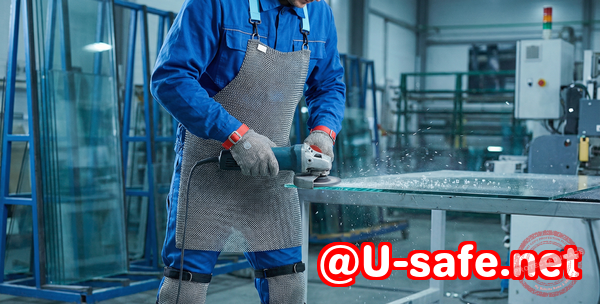
The Problem: Struggling with Low-Quality Chainmail
I’ve been there myselfwalking through a marketplace or scrolling through online stores, trying to make an informed decision about which chainmail product is worth the investment. It’s frustrating because, often, products are marketed without giving you enough information about the critical details like the quality of the rings, the type of material used, or whether the weave can actually withstand the wear and tear of regular use.
Let’s face it: not all chainmail is created equal. Some are purely decorative, designed to look cool at a costume party but offer little to no protection. Others are made with low-quality materials that might rust, weaken over time, or fall apart under pressure. So, how do you avoid these pitfalls? That’s where the Aegimesh Chainmail Guide comes in to save the day.
Identifying the Best Chainmail: Key Factors to Look For
So, what sets high-quality stainless steel chainmail apart from the subpar options? Let’s dive into the essential aspects you should examine before making your purchase. Here are the main factors to look for:
1. Welded vs Open Rings: Why It Matters
One of the most important things to consider when buying chainmail is whether the rings are welded or open. You might think this doesn’t make much of a difference, but it really does.
-
Welded Rings: High-quality chainmail uses welded rings, which are made from individual metal rings that are fused together at the ends. This ensures that the rings remain intact, even under stress or tension. When inspecting chainmail, check the rings by gently tugging on them. Welded rings will hold up much better under force.
-
Open Rings: Many low-quality chainmail products use open rings, which are simply twisted together without being welded. These can fall apart quickly, especially if exposed to constant friction or movement.
2. Stainless Steel Grades: 304 vs 316
The type of stainless steel used in chainmail plays a huge role in its strength and durability. The two most common grades are 304 and 316 stainless steel. Here’s how to tell the difference and why it matters:
-
304 Stainless Steel: This is the more affordable option, but it’s also highly resistant to rust and corrosion. It’s a good choice for cosplay or light industrial use where the chainmail won’t be exposed to harsh chemicals or extreme environmental conditions.
-
316 Stainless Steel: If you need something tougher, especially for heavy industrial use or food processing, 316 stainless steel is your best bet. It’s more resistant to corrosion, especially in environments where salt, acids, or moisture are present. If you’re investing in chainmail for protection, 316 is generally the more durable and long-lasting option.
3. Weave Patterns: European 4-in-1 vs Other Styles
The strength of chainmail doesn’t just come from the material but also the way the rings are woven together. One of the most popular and strongest weave patterns is the European 4-in-1. This style links each ring to four others in a tight, crisscross pattern, providing superior flexibility and strength.
-
European 4-in-1: This weave pattern is commonly used in high-quality chainmail and offers excellent protection against cuts. It’s ideal for industrial use, especially in environments where workers are handling sharp objects.
-
Other Weave Styles: While there are other weave patterns like 6-in-1 or 8-in-1, they tend to be thicker and may not offer the same level of flexibility and comfort, making them less suitable for some applications.
4. Wire Thickness & Inner Diameter
The wire thickness and inner diameter of the rings are also critical indicators of chainmail quality. A thicker wire means stronger rings, and the inner diameter affects the overall fit and flexibility. When evaluating chainmail:
-
Wire Thickness: Look for a wire thickness that strikes a balance between durability and comfort. If it’s too thick, the chainmail may become stiff and uncomfortable. If it’s too thin, it may not offer sufficient protection.
-
Inner Diameter: The inner diameter (ID) of the rings should be uniform and appropriately sized for the weave pattern. Too small an ID can make the weave tight and stiff, while too large an ID might compromise the strength.
5. Corrosion Resistance: Avoid Rust & Degradation
No one wants to buy chainmail that starts rusting after a few uses. To ensure that your chainmail lasts, check for signs of proper corrosion resistance:
-
Stainless Steel Coating: High-quality stainless steel chainmail is coated or made with materials that prevent rust and corrosion, even in moist environments. Chainmail used for food handling, for example, must be corrosion-resistant to meet safety standards.
-
Regular Inspection: Periodically inspect your chainmail for early signs of corrosion or degradation, especially in high-use scenarios like industrial environments. If you notice any discoloration or flaking, it could be a sign of poor-quality steel.
How to Inspect Chainmail for Quality: A Step-by-Step Guide
Knowing what to look for is essential, but it’s equally important to know how to inspect your chainmail to ensure you’re making a safe and durable purchase. Here’s a simple guide:
-
Pull Test: Gently pull on individual rings to check if they’re welded or twisted. Welded rings will be much sturdier and less likely to break.
-
Check the Steel Grade: If the chainmail isn’t clearly labeled with the steel grade, ask the seller for more details. 304 is good for light-duty, while 316 is your best bet for long-lasting durability.
-
Examine the Weave: Look at the rings and see if they’re arranged in the European 4-in-1 pattern. A well-done weave will feel sturdy and smooth to the touch.
-
Corrosion Check: Look for any rust or discoloration, especially around the rings. Rust or poor-quality finishes are red flags.
Conclusion: Ensure Safe & Durable Chainmail Purchases
After considering these inspection methods, I highly recommend following these steps to ensure your chainmail purchase meets safety and durability standards. Whether you’re buying chainmail for industrial protection, food handling, cosplay, or historical replicas, understanding these quality factors will help you make informed decisions and avoid unsafe products.
If you want to learn more about how to properly evaluate chainmail, I suggest checking out Aegimesh’s detailed chainmail inspection guide to dive deeper into each of these aspects.
FAQs:
-
How can I tell if a chainmail ring is welded or open?
-
Gently pull on the ring. Welded rings will be sturdy and won’t separate, while open rings will show a gap or will flex under pressure.
-
-
Which stainless steel grade is best for long-lasting chainmail?
-
For general use, 304 stainless steel is adequate, but for industrial or food handling use, 316 stainless steel is the superior choice due to its enhanced corrosion resistance.
-
-
How do I inspect the weave pattern for strength?
-
European 4-in-1 is the most reliable weave for strength. Check if the rings are arranged in this pattern, as it provides flexibility and maximum cut resistance.
-
-
What are the signs of low-quality or unsafe chainmail?
-
Look for signs of rust, uneven weave patterns, and open rings. Also, low-quality chainmail will often feel flimsy or uncomfortable to wear.
-
-
Can decorative chainmail be used for protective purposes?
-
Decorative chainmail is often too flimsy for real protection. It’s made with thin wire and open rings, which aren’t suitable for preventing cuts or abrasions.
-
-
How do I choose the right chainmail for industrial vs cosplay use?
-
For industrial use, look for thicker wire, welded rings, and 316 stainless steel for durability. For cosplay, lighter options made from 304 stainless steel or even aluminum might be appropriate.
-
Tags:
chainmail quality, welded rings, stainless steel chainmail, cut-resistant chainmail, chainmail inspection, European 4-in-1 weave




 한국어
한국어  Русский
  Deutsch
  العربية