


The Ultimate Guide to Ring Mesh and Mesh Boning Aprons
The Ultimate Guide to Ring Mesh and Mesh Boning Aprons
When it comes to purchasing chainmail for protection, cosplay, or even just as a collector’s item, the process can feel like a guessing game. With so many different types of materials, weaves, and grades of stainless steel out there, how do you know if you’re getting high-quality chainmail that will stand the test of time? This is a question I’ve heard time and again, and it’s easy to understand why. A lot of chainmail out there may look the part but can fall short when it comes to durability, safety, or functionality. Whether you’re looking for chainmail to protect against cuts in an industrial setting or need a historical replica for your next cosplay, knowing how to properly evaluate the quality of chainmail is essential.
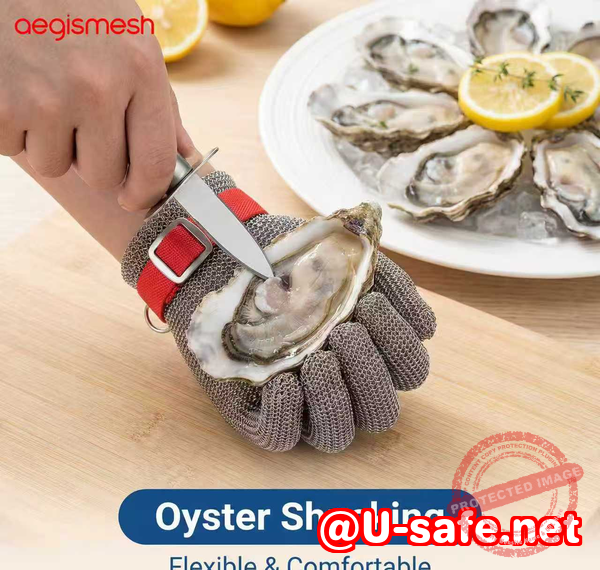
Let’s walk through the most common pain points buyers face when evaluating chainmail and how you can easily overcome them with a little bit of knowledge. In this guide, I’ll share practical tips and steps for inspecting chainmail, so you can ensure that your next purchase meets all your needs and avoids costly mistakes.
Common Pain Points When Evaluating Chainmail
Before diving into how to inspect chainmail, let’s first look at some common challenges buyers face:
-
Difficulty Distinguishing Between Welded Rings and Open Rings
Many sellers advertise chainmail with “rings,” but not all rings are created equal. Open rings, which can easily break under stress, are not suitable for protective purposes like industrial use or food processing. Welded rings, on the other hand, provide better durability and strength.
-
Uncertainty About Stainless Steel Grades
Not all stainless steel is the same. Some grades are more resistant to corrosion, others offer better durability or flexibility. When it comes to chainmail, the two most common grades are 304 and 316 stainless steel. While 304 is the more affordable option, 316 offers better corrosion resistance and is generally more durable.
-
Weak or Inconsistent Weaves
Chainmail is woven using different patterns, with European 4-in-1 being one of the most popular and reliable. However, some low-quality chainmail may feature irregular or weak weave patterns that can compromise its durability, leaving it prone to breaking or becoming ineffective.
These issues can be easily avoided if you know what to look for. By following the tips I’ll lay out below, you’ll be able to confidently identify high-quality chainmail and avoid the frustration of low-quality purchases.
How to Inspect Chainmail for Quality
Now that we’ve covered the main pain points, let’s dive into the actual inspection process. While it might seem overwhelming at first, evaluating chainmail quality is really a matter of checking a few key areas:
1. Material Type: 304 vs 316 Stainless Steel
The first step is to understand the material your chainmail is made from. 304 stainless steel is the most commonly used type and is a solid choice for many applications. However, it has less resistance to corrosion, which can be a big issue in environments exposed to water, acids, or other corrosive materials.
316 stainless steel, also known as marine-grade stainless steel, is the top choice if you need chainmail for high-end industrial or food-related uses. It’s highly resistant to corrosion and is more durable overall, which makes it perfect for more demanding environments.
Quick Tip: If you plan to use your chainmail for food processing or marine-based applications, go for 316 stainless steel to avoid the risk of rusting or weakening over time.
2. Welded vs Open Rings
One of the most critical aspects of chainmail quality is the type of rings used. Welded rings are far superior to open rings in terms of strength and durability. Open rings can easily come undone or break under pressure, making them unsuitable for protective purposes. Welded rings, however, are fused together during the manufacturing process, offering significantly better strength.
How to Check:
-
Examine the rings closely. If the ring is welded, you should see a visible seam where the two ends are fused together. Open rings will have a gap where the ends don’t quite meet.
-
Perform a pull test. Gently pull on a small section of the chainmail. If you’re dealing with welded rings, they should stay intact and not come apart under mild pressure.
3. Inspect the Wire Thickness and Ring Diameter
Another important factor in evaluating chainmail quality is the wire thickness and ring diameter. The wire’s gauge, or thickness, determines how strong the chainmail will be. A thicker wire is usually stronger, but it can also make the chainmail less flexible and more difficult to work with. The inner diameter of the rings also plays a role in the overall durability. If the inner diameter is too large, the weave can be too loose, which will reduce the effectiveness of the chainmail.
Quick Tip: For industrial applications, look for a wire thickness that can withstand heavy impacts. For decorative or cosplay chainmail, you might prefer a thinner, more flexible option.
4. Weave Patterns: European 4-in-1 for Strength
The weave pattern is another crucial component of chainmail’s strength and durability. One of the most common and effective patterns is European 4-in-1, where each ring is woven through four others. This pattern creates a tight, durable fabric that’s known for its strength and flexibility.
How to Check:
-
Look at the way the rings are arranged. European 4-in-1 will look like a tight grid where each ring connects to four others.
-
Check for consistency in the pattern. Inconsistent weaves can be a sign of low-quality chainmail, making it more prone to breakage.
Quick Tip: If you’re looking for a high-strength chainmail, stick to the European 4-in-1 weave. Other patterns may look aesthetically pleasing but won’t offer the same level of protection.
Why Proper Inspection Matters
Ensuring that your chainmail is made with high-quality materials, welded rings, the right wire thickness, and a reliable weave pattern isn’t just about avoiding disappointmentit’s also about safety. Low-quality chainmail can be dangerous, especially if you need it for protective purposes.
-
In industrial settings, chainmail made with poor materials or weak rings can result in injury, as it may not provide adequate cut protection.
-
In food processing, poor-quality chainmail could compromise hygiene standards or wear down quickly, leading to potential contamination or accidents.
-
For cosplay or historical replicas, low-quality chainmail might not hold up over time, and you may end up spending more on repairs or replacements.
By taking the time to inspect your chainmail thoroughly, you’ll save money in the long run and avoid potential safety risks.
Conclusion
When it comes to purchasing chainmail, whether for protection, cosplay, or as a collector’s item, it’s crucial to know how to properly evaluate the product. By following the simple steps I’ve outlined abovechecking the material type, inspecting ring welding, evaluating wire thickness, and analyzing weave patternsyou can ensure that you get high-quality, durable chainmail that meets your needs.
I highly recommend following these inspection methods to guarantee that any chainmail purchase you make meets safety and durability standards. Don’t settle for low-quality chainmail that might end up costing you more in repairs, replacements, or even potential accidents.
Learn more about identifying high-quality chainmail products: Aegimesh Chainmail
FAQs
-
How can I tell if a chainmail ring is welded or open?
-
Check for a visible seam where the ring is fused. Open rings have a gap, while welded rings will appear fully connected.
-
-
Which stainless steel grade is best for long-lasting chainmail?
-
For the best durability and resistance to corrosion, especially in food-processing or marine environments, go for 316 stainless steel.
-
-
How do I inspect the weave pattern for strength?
-
Look for a consistent, tight grid with each ring connected to four others in the European 4-in-1 pattern.
-
-
What are the signs of low-quality or unsafe chainmail?
-
Signs include weak or inconsistent weaves, open rings, rust, or poor material choices. Always inspect the rings, wire thickness, and weave pattern.
-
-
Can decorative chainmail be used for protective purposes?
-
Decorative chainmail is often not strong enough for protective use. It’s designed more for aesthetic purposes than durability.
-
-
How do I choose the right chainmail for industrial vs cosplay use?
-
For industrial use, opt for thicker wire, welded rings, and corrosion-resistant materials like 316 stainless steel. For cosplay, you can go for lighter options with a more flexible weave.
-
Keywords
-
Chainmail quality, welded rings, stainless steel chainmail, cut-resistant chainmail, chainmail inspection, European 4-in-1 weave, durability, industrial protection





 한국어
한국어  Русский
  Deutsch
  العربية