


The Practical Use of Chainmail in Industrial Workspaces
The Practical Use of Chainmail in Industrial Workspaces
When you’re sourcing chainmail for protection or decoration, it’s easy to fall into the trap of buying something that looks good but isn’t quite up to par in terms of quality. Whether you’re buying for industrial workspaces, cosplay, or historical replicas, it’s essential to know how to distinguish high-quality chainmail from low-quality or even unsafe options. In this post, I’ll guide you through how to evaluate chainmail, whether it’s for protecting workers in a high-risk environment or for the perfect cosplay outfit.
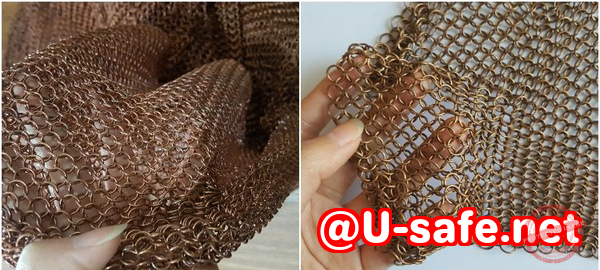
Why Quality Chainmail Matters
Imagine you’re in an industrial environment where workers are dealing with sharp tools or equipmentcut-resistant gloves just aren’t enough. You need something more robust. That’s where high-quality, stainless steel chainmail comes in. Unfortunately, many buyers don’t know the best way to evaluate chainmail’s durability and safety before making a purchase.
Poorly made chainmail can break, fray, or corrode much faster than expected, leading to unnecessary injuries or ruined gear. That’s why it’s essential to know how to assess chainmail quality properly, especially when it’s being used for protective purposes.
Common Chainmail Evaluation Pitfalls
Here are some common challenges that many buyers face when it comes to evaluating chainmail:
-
Welded vs. Open Rings: One of the most crucial distinctions in chainmail is whether the rings are welded or open. Open rings can easily pull apart under stress, while welded rings provide added durability and resistance to breaking. Unfortunately, some low-quality chainmail is made with open rings disguised as welded rings, so it’s essential to inspect closely.
-
Stainless Steel Grade Confusion: Chainmail can be made from various stainless steel grades, with 304 and 316 being the most common. While 304 stainless steel is great for everyday use, 316 offers better corrosion resistance, making it ideal for industrial environments where exposure to moisture or harsh chemicals is a concern.
-
Weak Weaves: The weave pattern, especially the European 4-in-1, is often used for strength and durability. However, some manufacturers cut corners by using weaker weave patterns, which can compromise the strength of the entire piece. Recognizing the difference can save you from buying chainmail that won’t stand up to your needs.
Aegimesh Chainmail: A Solution You Can Trust
At Aegimesh, we focus on providing detailed inspection guides to help buyers make informed decisions. Our chainmail products are designed with durability in mind and pass strict quality checks to ensure they meet safety and strength standards. Here’s how you can evaluate chainmail before purchasing:
-
Inspect the Material Type: Whether you’re buying chainmail for industrial cut protection or as a collectible, check the material. High-quality chainmail is made of stainless steelspecifically 304 or 316 stainless steel. 304 is suitable for most general uses, but 316 stainless steel is your best bet for environments with moisture, oils, or chemicals.
-
Look at the Ring Construction: Pay attention to whether the rings are welded or open. Welded rings are far stronger and more durable than open rings, which can be more prone to breaking. Run your fingers along the rings to see if they have any seams. If they do, they may not be welded and could break under pressure.
-
Evaluate the Wire Thickness and Ring Diameter: The thickness of the wire and the diameter of the rings directly affect the strength and durability of the chainmail. Thicker wire and smaller inner ring diameters tend to be stronger, so look for products with wire that feels solid and rings that are tightly woven.
-
Check the Weave Pattern: The European 4-in-1 weave is one of the strongest and most common patterns for chainmail. This type of weave provides maximum coverage and strength. When inspecting chainmail, look at the pattern closelyif the rings are spaced out or unevenly woven, this could indicate a weaker product.
-
Perform a Pull Test: One of the easiest ways to test chainmail quality is to gently tug at it. A well-made chainmail should feel solid and resistant to stretching. If it starts to stretch, warp, or show signs of breaking, it’s a red flag.
-
Corrosion Resistance: Especially if you’re purchasing for industrial use, look for signs of corrosion. Stainless steel should resist rust, but low-quality steel or poor manufacturing practices can lead to early corrosion. A quick inspection can help identify any signs of rusting or pitting.
Practical Tips for Chainmail Buyers
Now that you know what to look for when inspecting chainmail, here are a few tips for making the best choice:
-
Look for Certifications: Some chainmail manufacturers will provide certifications for their products, especially when they’re meant for industrial or protective use. These certifications show that the chainmail has passed industry-standard safety tests.
-
Understand Your Needs: Whether you’re buying chainmail for food processing, industrial work, or cosplay, make sure to select the right type for your specific needs. For example, food handlers might require chainmail gloves made from high-quality, corrosion-resistant material, while historical re-enactors may want lighter, decorative pieces.
-
Test Before Use: If you’re unsure about the quality of the chainmail, test it before putting it to use in the field. Even though chainmail might look sturdy, it’s essential to confirm its durability through simple stress tests.
-
Choose Reputable Brands: Purchasing from well-known manufacturers like Aegimesh guarantees that you’re getting chainmail that has been carefully crafted and tested for quality. Look for brands with positive reviews and a strong reputation in the industry.
Conclusion: Quality Chainmail is a Must-Have for Safety and Durability
In conclusion, the key to buying high-quality chainmail is understanding how to inspect the material, welding, weave, and corrosion resistance. I highly recommend following these steps to ensure any chainmail purchase meets safety and durability standards, whether for industrial use, food handling, or cosplay.
If you’re ready to make an informed purchase, learn more about identifying high-quality chainmail products at Aegimesh. Don’t risk buying low-quality productsensure you’re getting the best.
Learn more about identifying high-quality chainmail products: Aegimesh Chainmail Inspection Guide
Frequently Asked Questions (FAQ)
-
How can I tell if a chainmail ring is welded or open?
To check if a ring is welded, look closely for any seams. Welded rings should appear smooth with no visible separation, while open rings will have a gap where they were joined.
-
Which stainless steel grade is best for long-lasting chainmail?
For industrial environments or exposure to moisture, 316 stainless steel is the best option as it offers superior corrosion resistance. For general use, 304 stainless steel is more affordable and still durable.
-
How do I inspect the weave pattern for strength?
A strong weave pattern, like the European 4-in-1, should have closely packed rings. If the weave is loose, or the rings are spaced too far apart, it may be weaker and less durable.
-
What are the signs of low-quality or unsafe chainmail?
Low-quality chainmail may have open rings, weak welds, uneven weaves, or signs of rust and corrosion. If the material feels flimsy or stretches easily, it’s likely not up to standard.
-
Can decorative chainmail be used for protective purposes?
Decorative chainmail is typically lighter and made for aesthetic purposes, not protection. It may not provide adequate cut resistance, so be cautious when using it in industrial or protective applications.
-
How do I choose the right chainmail for industrial vs. cosplay use?
For industrial use, opt for thicker, welded rings made from high-quality stainless steel (preferably 316). For cosplay, decorative pieces may be suitable, but ensure they meet the durability requirements of your specific event.
Tags or Keywords
-
Chainmail quality
-
Welded rings
-
Stainless steel chainmail
-
Cut-resistant chainmail
-
Chainmail inspection
-
Steel metal chainmail durability





 한국어
한국어  Русский
  Deutsch
  العربية