


The Future of Cut Protection Stainless Steel Chainmail
The Future of Cut Protection Stainless Steel Chainmail
When you’re looking to buy chainmail, especially for industrial use or protection, the choices can be overwhelming. One of the most common struggles I hear from buyers is distinguishing between high-quality chainmail and cheaper, low-quality alternatives. Whether you’re purchasing chainmail for food processing, cosplay, or industrial cut protection, it’s crucial to know what you’re getting. The truth is, not all chainmail is created equaland the difference can mean the difference between safety and injury.
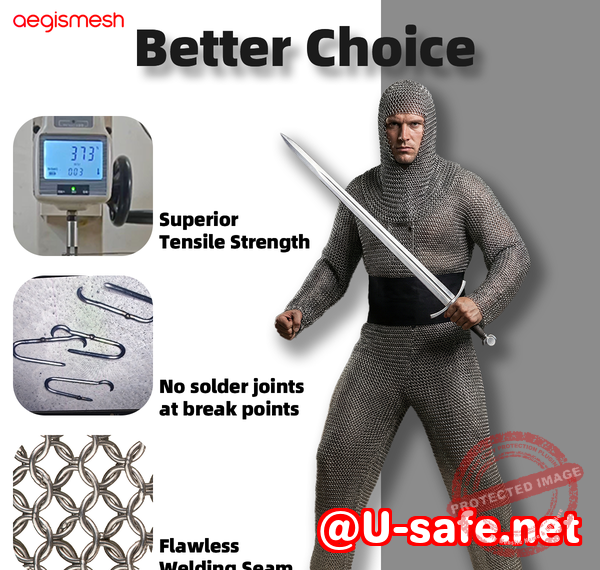
In this post, I’ll guide you through how to evaluate the quality of chainmail, from inspecting welds to checking material grades. By the end, you’ll be able to confidently choose products that are safe, durable, and fit for your specific needs. Let’s dive into the world of stainless steel chainmail and uncover the secrets to identifying top-tier products.
The Chainmail Dilemma: How to Tell Quality From Imitation
Picture this: You’ve just bought a set of chainmail gloves for use in a high-risk food processing environment, only to find out that after just a few uses, they start fraying, the rings start coming apart, and your fingers aren’t as protected as you thought. Or maybe you purchased some decorative chainmail for cosplay, only to see the rings break after a single costume wear. Frustrating, right?
Unfortunately, this scenario happens more often than we’d like to admit. There are numerous reasons why a chainmail product might fall shortpoor craftsmanship, low-grade materials, or incorrect weave patterns. But there are ways to avoid this pitfall. By understanding how to inspect chainmail properly, you can make sure that you’re not buying into unsafe, flimsy, or low-quality imitations.
Common Chainmail Problems Buyers Face
1. Welded vs. Open Rings
One of the biggest misconceptions about chainmail is the idea that all rings are created equal. Some are welded, and some are simply “open” or “butted” rings. Welded rings are far superior in terms of strength, longevity, and safety. Open rings, while cheaper, are less durable and more prone to breaking under stress.
How to Check: Take a close look at the rings. If you notice a small seam or any signs of welding, it’s likely a welded ring. Open rings will typically be more susceptible to coming apart with little pressure.
2. The Stainless Steel Dilemma: 304 vs. 316 Grades
Another confusion for many buyers is deciding between 304 and 316 stainless steel for their chainmail. The main difference lies in corrosion resistance, with 316 stainless steel offering superior protection against rust and corrosion. For industrial or food handling purposes, 316 is usually the better choice.
How to Check: If you’re unsure which grade of stainless steel is used, ask the manufacturer directly. High-quality chainmail will usually specify the material used. For food handling and industrial applications, make sure you’re opting for 316-grade steel for enhanced durability and protection.
3. Weak or Inconsistent Weaves
The strength of a chainmail product is directly related to the weave pattern. For instance, the European 4-in-1 weave is a common choice because it provides excellent flexibility and strength. A weak or inconsistent weave can compromise the protection it offers, especially for industrial or protective purposes.
How to Check: Look for uniformity in the weave pattern. There should be no loose or uneven rings, and the weave should be tight without gaps. A simple pull test can help heregently tug on the chainmail to see if it holds together or if it starts falling apart.
How to Inspect Chainmail for Quality: A Step-By-Step Guide
Now that you know some of the common issues buyers face, let’s talk about how to properly evaluate chainmail. Here are the key things to check when inspecting chainmail for safety, durability, and quality:
1. Inspect the Material Type
Before anything else, check the type of steel used in the chainmail. Stainless steel is the standard for durability and corrosion resistance. However, not all stainless steel is the same.
-
304 Stainless Steel: The most common grade, good for light-duty uses but may corrode over time in harsh environments.
-
316 Stainless Steel: Known for its superior corrosion resistance, making it ideal for industrial or food-grade applications.
2. Check Ring Welds
The welds are what keep the rings together, so you want to ensure they’re done properly. Poor welds will break down over time, compromising the integrity of the chainmail.
Practical Tip: Examine the rings closely. If you see any gaps or inconsistencies in the weld, that’s a sign of poor craftsmanship. A good welded ring should look seamless and solid.
3. Evaluate the Wire Thickness and Ring Diameter
The thickness of the wire used in the rings and the diameter of the rings themselves directly affect the chainmail’s strength. Thicker wire and smaller ring diameters usually result in a stronger weave.
How to Check: Use a micrometer or caliper to measure the thickness of the wire and the inner diameter of the rings. Higher-quality chainmail will typically have thicker wire and smaller rings, making it more durable.
4. Assess the Weave Pattern
The type of weave used will influence the flexibility and strength of the chainmail. The most popular and robust weave is the European 4-in-1, which offers an excellent balance of flexibility and protection.
How to Check: Look at the overall pattern of the rings. If the chainmail uses a consistent European 4-in-1 pattern, the rings should be stacked neatly in rows of four rings per row.
5. Perform a Pull Test
Once you’ve done a visual inspection, it’s time for a quick physical test. The pull test will show you how much stress the chainmail can take before the rings begin to separate.
How to Check: Grab a small section of the chainmail and pull firmly. If the rings come apart easily, or the weave feels weak, the chainmail may not be durable enough for your intended use.
6. Look for Corrosion or Signs of Wear
Over time, even stainless steel can develop signs of corrosion if not properly treated. Look for any rust or discoloration, especially near the seams and rings.
How to Check: Examine the chainmail in different lighting to spot any rust, discoloration, or signs of damage. If you see any, it’s a red flag that the material isn’t of the highest quality.
Why Proper Chainmail Inspection Matters
By following these simple steps, you can avoid making costly mistakes and ensure your chainmail meets the highest safety and durability standards. Whether you’re buying chainmail for industrial cut protection, food handling, cosplay, or historical reenactment, proper inspection helps you:
-
Avoid Unsafe Chainmail: Low-quality chainmail can fail when you need it most. Ensuring the welds, materials, and weave patterns are strong will help keep you safe.
-
Save Money: By identifying poor-quality products early on, you can avoid wasting money on chainmail that won’t last.
-
Choose the Right Product for Your Needs: Whether you’re protecting your hands at work or donning a historical costume, knowing what to look for ensures you get the right product for the job.
Conclusion: Making Informed Chainmail Purchases
As I’ve outlined, evaluating the quality of chainmail doesn’t have to be difficult. By inspecting the material, welds, wire thickness, ring diameter, weave patterns, and performing a pull test, you can confidently make informed purchasing decisions. I highly recommend following these steps to ensure any chainmail you purchase meets safety and durability standards, and won’t let you down.
For more details on how to spot high-quality chainmail, visit Aegimesh today. Make sure your next chainmail purchase is built to last!
FAQs
1. How can I tell if a chainmail ring is welded or open?
Look closely at the rings. Welded rings will have a visible seam, while open rings will appear more separated and are often weaker.
2. Which stainless steel grade is best for long-lasting chainmail?
316 stainless steel is the best for long-lasting durability, especially in corrosive environments like food processing or industrial use.
3. How do I inspect the weave pattern for strength?
Look for uniformity in the weave. A consistent European 4-in-1 pattern will provide the best strength and flexibility.
4. What are the signs of low-quality or unsafe chainmail?
Weak rings, inconsistent welds, rust, and poor craftsmanship are all signs that the chainmail is of low quality.
5. Can decorative chainmail be used for protective purposes?
It depends. Decorative chainmail may not be strong enough for industrial or safety use. Always ensure it’s made from durable materials like 316 stainless steel if you need it for protection.
6. How do I choose the right chainmail for industrial vs cosplay use?
For industrial uses, prioritize durability, material quality (316 stainless steel), and a secure weave. For cosplay, focus on appearance and comfort, but ensure the chainmail can hold up under normal use.
7. What’s the most important thing to look for when inspecting chainmail?
The quality of the welds and the consistency of the weave pattern are two of the most important factors in determining the strength and durability of chainmail.
Keywords:
chainmail quality, welded rings, stainless steel chainmail, cut-resistant chainmail, chainmail inspection, European 4-in-1 weave




 한국어
한국어  Русский
  Deutsch
  العربية