


The Evolution of Chainmail Armor
The Evolution of Chainmail Armor: How Quality, Craft, and Inspection Matter Today
Learn how to identify high-quality chainmail, avoid unsafe products, and choose durable, welded stainless steel chainmail for professional, industrial, or decorative use.
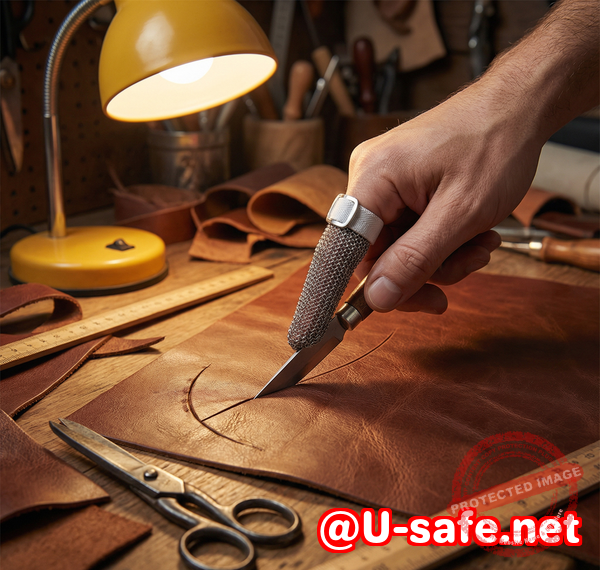
The first time I tried to buy chainmail, I thought it would be simple. A few clicks, a decent price, and I would have reliable protection for a cutting task that required more safety than gloves alone. What arrived looked impressive at first glance, shiny and heavy in my hands. But after a short inspection, rings started to gap, a few pulled apart, and the weave felt inconsistent. That moment taught me an important lesson: not all chainmail is created equal, and learning how to judge chainmail quality can save you from wasted money and real safety risks.
Over the years, chainmail has evolved from medieval armor worn on battlefields to a modern solution used in food processing, industrial cut protection, cosplay, and historical replicas. Yet the biggest challenge for buyers hasn’t changed much. How do you know if what you’re holding is genuinely protective or just decorative imitation? That question comes up again and again among buyers, collectors, and professionals alike.
I’ve spoken with chefs who unknowingly bought unsafe cut-resistant chainmail gloves, cosplayers whose armor fell apart mid-event, and collectors who later discovered their “authentic” pieces were made with open rings and soft metals. These stories all point to the same issue: a lack of clear, practical guidance on how to inspect and evaluate chainmail properly.
That’s where a structured approach, like the one outlined in the Aegimesh Chainmail inspection guide, becomes invaluable. Instead of relying on price tags or marketing claims, it helps you focus on what truly matters: material, construction, and weave strength.
Chainmail quality issues usually show up in three common pain points. The first is welded rings versus open rings. To an untrained eye, they can look identical, especially when polished. But welded rings are essential for durability and safety. Open rings, even tightly closed ones, can spread under pressure. I’ve seen gloves advertised as “industrial grade” fail a basic pull test within seconds. Welded rings, on the other hand, maintain their shape and integrity under repeated stress.
The second pain point is material confusion. Many products claim to be stainless steel chainmail, but not all stainless steel performs the same way. Grades like 304 and 316 stainless steel are commonly used, yet they serve different purposes. Grade 304 is strong and corrosion-resistant enough for many environments, while 316 offers superior resistance to salt, chemicals, and moisture. If you’re working in food processing or a marine-adjacent environment, that difference matters more than most buyers realize.
The third pain point is weave inconsistency. A chainmail piece may look solid overall, but weak or uneven weaving can compromise its strength. European 4-in-1 weave, one of the most widely used patterns, offers an excellent balance of flexibility and durability when executed correctly. When done poorly, it creates stress points that fail under load.
This is why I often point people toward Aegimesh Chainmail as a reference point rather than just a product. Their guide doesn’t assume you’re an engineer or historian. It walks you through simple inspection steps anyone can perform, whether you’re buying your first chainmail glove or evaluating a historical replica.
Let’s start with material inspection, because everything else depends on it. When someone tells me their chainmail rusted within weeks, I immediately suspect either low-grade steel or poor finishing. Genuine stainless steel chainmail should resist rust under normal conditions. If you can, ask the seller which grade they use. Between 304 and 316, both are solid choices, but 316 stainless steel chainmail is better suited for harsh or wet environments. A simple magnet test can sometimes help, but it’s not foolproof. Visual inspection for discoloration, rough surfaces, or early corrosion is often more telling.
Next comes ring construction. Welded rings are the backbone of high-quality chainmail. To inspect them, look closely at each ring’s seam. A welded ring will show a clean, fused joint with no visible gap. Open rings often have a slight break or overlap. I like to run a fingernail along the ring. If it catches, that’s a red flag. Aegimesh Chainmail emphasizes this step because it’s one of the fastest ways to identify low-quality products.
Wire thickness and inner diameter are just as important. Thin wire may reduce weight, but it also reduces protection. In industrial cut-resistant chainmail, thicker wire offers better resistance to sharp edges. Inner diameter affects how tightly the rings interlock. Rings that are too large for the wire thickness create loose weaves that deform easily. A balanced ratio between wire thickness and ring diameter results in a dense, durable structure.
One of my favorite practical checks is the pull test. You don’t need special tools for this. Simply grip the chainmail with both hands and apply steady pressure. High-quality welded chainmail should not deform or open. If rings spread or the weave distorts significantly, it’s not suitable for protective use. This test has saved me from more than one poor purchase.
Weave patterns deserve their own attention. European 4-in-1 weave is a classic for a reason. Each ring passes through four others, distributing force evenly. When inspecting this weave, look for uniformity. Rings should lie flat and consistent across the surface. Inconsistent tension or misaligned rows indicate rushed or careless craftsmanship. For cosplay or decorative chainmail, minor imperfections may be acceptable. For cut-resistant chainmail used in industrial settings, they are not.
The benefits of proper inspection go beyond avoiding disappointment. In professional environments, unsafe chainmail can lead to injuries. In food processing, poor-quality materials can contaminate products or fail hygiene standards. For collectors, misrepresented chainmail diminishes historical value. And for cosplayers, nothing breaks immersion faster than armor that collapses under its own weight.
I once met a butcher who switched to properly inspected stainless steel chainmail gloves after a close call with a blade. He told me the difference was immediate. The gloves felt heavier, yes, but also reassuring. That peace of mind is what quality delivers.
Another story comes from a reenactor who spent months crafting an authentic look, only to have his chainmail tear during a public demonstration. After learning how to inspect welded rings and weave density, he replaced it with a piece that’s lasted years without issue. These aren’t rare stories. They’re reminders that inspection is not optional.
Choosing the right chainmail type depends on your use case. For industrial cut protection, prioritize welded rings, thicker wire, and appropriate stainless steel grades. For food handling, corrosion resistance and hygiene-friendly finishes matter most. Cosplay and historical replicas can balance aesthetics with durability, but even decorative chainmail benefits from solid construction.
Signs of low-quality chainmail are usually subtle at first. Look for uneven coloration, sharp burrs, inconsistent ring sizes, and loose weaves. Trust your hands as much as your eyes. Quality chainmail feels cohesive. Poor craftsmanship feels fragile.
As chainmail continues to evolve, modern manufacturing techniques have improved consistency and strength. Yet the basics remain unchanged. Material, welds, wire thickness, and weave pattern still determine performance. Aegimesh Chainmail’s approach focuses on these fundamentals, helping users make informed decisions rather than impulse buys.
If you’re new to chainmail inspection, don’t feel overwhelmed. Start with one step at a time. Check the material. Inspect the rings. Test the weave. Each step builds confidence. Over time, you’ll spot issues almost instantly.
I highly recommend following these steps to ensure any chainmail purchase meets safety and durability standards. Whether you’re protecting your hands, completing a costume, or adding to a collection, informed choices make all the difference.
Learn more about identifying high-quality chainmail products:https://www.aegimesh.com/
Check out our detailed chainmail inspection guide today.
Frequently Asked Questions
How can I tell if a chainmail ring is welded or open?
Look closely at the seam of each ring. Welded rings have a fused joint with no visible gap, while open rings show a break or overlap. Running a fingernail along the seam often reveals imperfections.
Which stainless steel grade is best for long-lasting chainmail?
Both 304 and 316 stainless steel chainmail are durable. Grade 316 offers better corrosion resistance, especially in wet or chemical-heavy environments.
How do I inspect the weave pattern for strength?
Check for uniformity and tightness. In a European 4-in-1 weave, rings should lie flat and connect evenly. Loose or misaligned rows indicate weaker construction.
What are the signs of low-quality or unsafe chainmail?
Common signs include open rings, thin wire, inconsistent ring sizes, sharp edges, and early corrosion. Any of these can compromise safety.
Can decorative chainmail be used for protective purposes?
Decorative chainmail is not designed for protection. It often uses open rings or soft materials and should not be relied upon for safety.
How do I choose the right chainmail for industrial versus cosplay use?
Industrial cut-resistant chainmail requires welded rings, proper stainless steel grades, and thicker wire. Cosplay chainmail can prioritize appearance but should still maintain basic structural integrity.
Tags / Keywords
chainmail quality, welded rings, stainless steel chainmail, cut-resistant chainmail, chainmail inspection, European 4-in-1 weave, chainmail durability





 한국어
한국어  Русский
  Deutsch
  العربية