


The Craftsmanship Behind Chainmail Weaving Challenges and Techniques
The Craftsmanship Behind Chainmail Weaving Challenges and Techniques
When purchasing chainmail for protection or display, I often struggle to know which products are genuinely high-quality. Whether you’re looking for a durable solution for industrial use, cosplay accessories, or even a historical replica, the world of chainmail can be confusing. Not all pieces are made equally, and distinguishing between premium-grade items and low-quality imitations is harder than it seems. As a buyer, it’s important to know what to look for to avoid wasting money on products that might not stand the test of timeor worse, fail when you need them most. In this article, I’ll walk you through the most common challenges when evaluating chainmail and provide practical tips on how to inspect chainmail products like a pro.
Understanding Chainmail Quality: The Basics
If you’ve been in the market for chainmail, you’ve probably encountered a few confusing terms. Words like ‘welded rings’, ‘stainless steel’, and ‘European 4-in-1 weave’ can easily overwhelm a buyer who’s just looking for a reliable product. So, how do you determine if you’re getting a high-quality chainmail product that will meet your needswhether for safety, durability, or aesthetics?
Let’s break it down step by step.
1. The Importance of Material Quality: Stainless Steel Grades
One of the first things you need to consider when evaluating chainmail quality is the material it’s made from. The best chainmail for safety and durability is often made from stainless steel. But not all stainless steel is created equal. The two most common types used in chainmail are 304 and 316 stainless steel.
-
304 Stainless Steel is a general-purpose steel known for its excellent corrosion resistance, but it’s not quite as tough as 316. It’s great for decorative pieces, cosplay, or as historical replicas.
-
316 Stainless Steel, on the other hand, is superior when it comes to resistance against corrosion, especially in harsh environments like food processing or industrial settings. It’s tougher, more durable, and is the preferred option for heavy-duty chainmail products.
Tip: Look for product descriptions that mention the stainless steel grade. If the material is not specified, that’s a red flag! Low-quality chainmail often uses cheaper metals that may rust or degrade quickly.
2. Welded vs. Open Rings: How to Spot the Difference
Another major challenge for buyers is distinguishing between welded rings and open rings.
-
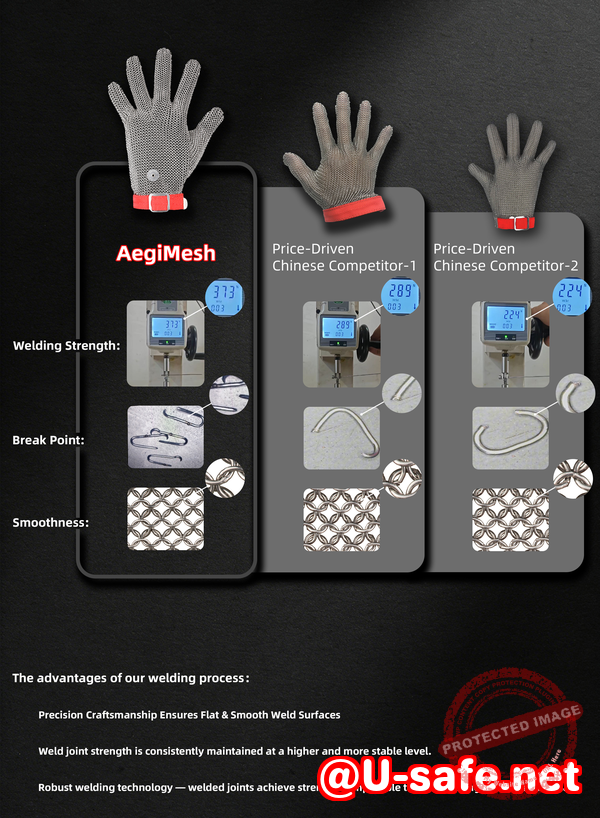
Welded rings are rings that have been welded together at the ends to form a solid, seamless structure. This is the gold standard for chainmail, especially when durability and strength are critical.
-
Open rings, as the name suggests, are not welded and are often only twisted or bent. They are cheaper to make and can be prone to coming apart under stress.
When inspecting a chainmail piece, gently try pulling a ring apart. If the ring easily opens, then it’s probably an open ring. If it stays intact despite your best efforts, you’ve got yourself a welded ring.
Tip: For products intended for protection, industrial use, or any scenario where durability is key, always opt for chainmail made from welded rings.
3. Evaluating Ring Thickness and Inner Diameter
The thickness of the wire and the inner diameter of the rings play a crucial role in the strength of the chainmail.
-
A thicker wire will naturally be more durable and offer better protection, while thinner wire will be more lightweight but less resilient.
-
The inner diameter refers to the size of the hole in each ring. Ideally, it should be large enough to allow for flexibility in the weave but small enough to offer solid protection. For example, an inner diameter that is too large might lead to weak spots in the chainmail, making it less effective in a protective setting.
Tip: Check the wire thickness and inner diameter. While these might be harder to assess without specialized tools, a well-made chainmail product will usually list these details.
4. Inspecting Weave Patterns for Strength and Durability
The weave pattern is one of the most iconic features of chainmail, but it’s also an important indicator of its strength. One of the most popular and durable patterns is the European 4-in-1 weave, which means each ring is connected to four others in a specific arrangement. This weave pattern provides excellent flexibility while maintaining strength.
There are other weave patterns like 4-in-2, 6-in-1, and even more intricate ones, but the 4-in-1 weave is generally considered the most reliable for balancing durability with flexibility. When inspecting a piece of chainmail, look at the tightness of the weave. A loose weave can compromise the strength and durability of the material.
Tip: If you’re purchasing chainmail for protective use, such as cut-resistant gloves or aprons, look for European 4-in-1 or similar dense weaves. These provide the best balance of flexibility and strength.
5. Performing a Simple Pull Test
One of the best ways to test the quality of chainmail is by performing a pull test. Grab a handful of rings and give them a firm tug. High-quality, welded rings should hold together under pressure without stretching, bending, or breaking.
If the rings come apart or bend, it’s a sign of poor craftsmanship, and the chainmail may not be suitable for protective purposes.
Tip: If you’re buying chainmail for industrial or heavy-duty use, always perform a pull test before making a purchase. If you’re unable to perform the test yourself, ask the seller for reassurance about the product’s durability.
6. Looking for Signs of Corrosion or Poor Craftsmanship
A quick visual inspection can often tell you if the chainmail is of good quality. Look for signs of rust or corrosion. Stainless steel should resist corrosion, but cheaper materials or poor manufacturing processes can lead to surface rust, especially if the material wasn’t treated properly.
Also, inspect the rings for any signs of uneven welding, warped rings, or irregular shapes. High-quality chainmail should have clean, evenly-welded rings and consistent weave patterns.
Tip: If you see any rust or obvious signs of poor craftsmanship, move on! It’s better to pay a little more for a well-made product than to risk buying something that could fail when you need it most.
Choosing the Right Chainmail for Your Needs
Now that you know what to look for in terms of material, weave patterns, and ring quality, it’s time to consider your specific needs. Chainmail serves many purposes, so the right product for you will depend on whether you’re using it for industrial cut protection, food handling, cosplay, or even as a historical replica.
For industrial and food handling use, you need chainmail that can withstand cutting and heavy wear. Aegimesh Chainmail, made with 316 stainless steel and welded rings, is perfect for these applications.
For cosplay or historical replicas, aesthetic considerations often outweigh durability, but you still want to ensure the chainmail can hold up during use. 304 stainless steel and decorative weaves will typically suffice.
Tip: Always choose chainmail that suits your specific needsdurability is key for industrial use, while aesthetic quality and comfort are paramount for cosplay.
Conclusion: Protect Your Investment with the Right Chainmail
To sum it up, when shopping for chainmail, always consider the material, ring type, weave pattern, and quality of craftsmanship. By following the steps outlined here, you’ll be able to identify high-quality chainmail products that meet your durability and safety standards. Whether you’re looking for industrial-grade protection or a beautiful cosplay accessory, the right chainmail can make all the difference.
I highly recommend following these steps to ensure any chainmail purchase meets safety and durability standards. Don’t settle for low-quality, unsafe products when it comes to your investment.
Learn more about identifying high-quality chainmail products: Aegimesh Chainmail
Check out our detailed chainmail inspection guide today.
FAQ
1. How can I tell if a chainmail ring is welded or open?
Welded rings stay intact under pressure, while open rings can be pulled apart easily. A welded ring will feel solid and won’t bend or separate.
2. Which stainless steel grade is best for long-lasting chainmail?
For durability and resistance to corrosion, 316 stainless steel is ideal for industrial and heavy-duty use, while 304 stainless steel is great for decorative and cosplay applications.
3. How do I inspect the weave pattern for strength?
Look for the European 4-in-1 weave, which offers the best combination of flexibility and durability. A well-made chainmail product will have tight, evenly spaced rings.
4. What are the signs of low-quality or unsafe chainmail?
Signs of low-quality chainmail include rust, poorly welded rings, irregular shapes, or a loose weave pattern. These can indicate that the material won’t hold up under pressure.
5. Can decorative chainmail be used for protective purposes?
While decorative chainmail can look great for cosplay or historical reenactments, it may not offer the level of protection needed for industrial or food processing applications. Always check for welded rings and high-quality materials for protective use.
6. How do I choose the right chainmail for industrial vs. cosplay use?
For industrial use, focus on durability and cut resistance, opting for 316 stainless steel and a tight weave like European 4-in-1. For cosplay, aesthetic quality and comfort should be your priority, but still check




 한국어
한국어  Русский
  Deutsch
  العربية