


The Best of Safety and Comfort Ring Mesh in Mesh Boning Aprons
The Best of Safety and Comfort Ring Mesh in Mesh Boning Aprons
When purchasing chainmail, especially for high-stakes applications like food handling or industrial protection, it’s easy to feel overwhelmed by the sheer number of options available. I’ve been there myself, scrutinizing over every piece of mesh, trying to figure out which ones are truly up to standard and which ones are just flashy imitations. This is especially true when it comes to choosing the right chainmail apron for both comfort and safety.
If you’re in the market for a chainmail product, whether for cosplay, industrial use, or historical purposes, you need to know how to differentiate between the best and the rest. Not all chainmail is created equal, and some low-quality products can be unsafe for the intended application. In this guide, I’ll walk you through how to evaluate chainmail products, focusing on key areas such as welded rings, stainless steel grades, and weave patterns. By following these tips, you’ll be able to avoid common mistakes and ensure that you’re making an informed, safe purchase.
Common Mistakes When Evaluating Chainmail
One of the most frequent mistakes I’ve seen, both in myself and others, is assuming that all chainmail is the same. The reality is that there are many factors to consider when determining the quality of a chainmail apron or protective gear. Let’s dive into the most common pitfalls people face when evaluating chainmail and how you can easily avoid them.
1. Welded vs Open Rings: Why It Matters
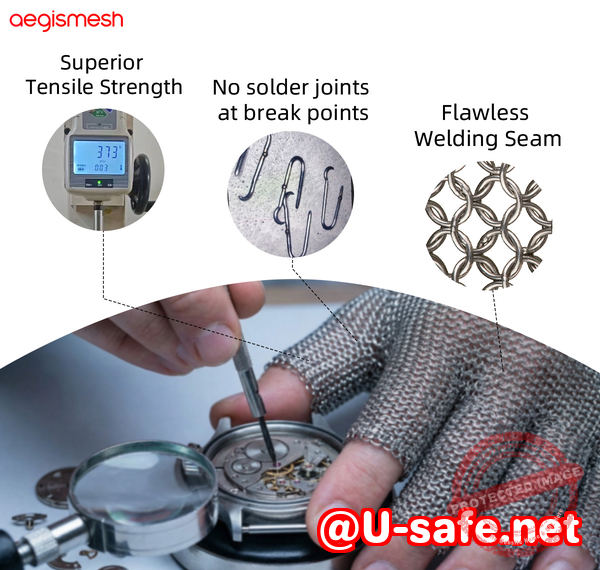
When you’re looking for durable chainmail, it’s crucial to check whether the rings are welded or open. Open rings are often cheaper and quicker to produce, but they lack the strength and durability of welded rings. A common mistake is not paying close attention to this detail, which can lead to weakened links over time. If you’re using the chainmail for industrial purposes, even small weaknesses could compromise its protective qualities.
Tip: Always check if the rings are welded shut. You can usually tell by looking closely at the edgeswelded rings will have a smooth, uniform seam, while open rings may have a small gap where they meet.
2. Choosing the Right Stainless Steel Grade
Not all stainless steel is created equal. Stainless steel comes in different grades, with 304 and 316 being the most common for chainmail. 304 stainless steel is suitable for decorative pieces and low-stress environments. However, when you need durability, corrosion resistance, and strength, 316 stainless steel is the way to go, especially in food processing or industrial environments.
Tip: For long-lasting, cut-resistant chainmail, look for products made from 316 stainless steel. It’s more resistant to corrosion, especially in environments with high moisture or chemicals.
3. Inconsistent Weave Patterns: A Hidden Weakness
The weave pattern of chainmail plays a significant role in its overall strength. European 4-in-1 is one of the strongest weave patterns used in chainmail. It provides excellent resistance to cutting, which is why it’s commonly used in protective aprons and gloves. However, some lower-quality chainmail may feature looser or uneven weaves, which compromise its strength.
Tip: Inspect the weave pattern closely. A tightly woven European 4-in-1 pattern should have uniform rings that interlock seamlessly. If the rings are loose or inconsistent, it’s a red flag.
The Aegimesh Chainmail Solution
Now that you know the common pitfalls, let’s talk about how to make sure you’re buying high-quality chainmail. Aegimesh Chainmail products are designed to meet the highest standards of safety, durability, and comfort. We provide a step-by-step guide to help you inspect and evaluate every piece of chainmail before making your purchase.
How to Inspect and Verify Chainmail Quality
It may seem like a daunting task, but once you know what to look for, inspecting chainmail becomes a lot easier. Here’s a practical guide to ensure you’re getting the best product for your needs:
1. Check the Material Type
When evaluating a chainmail apron or gloves, the first thing to check is the material. As mentioned earlier, stainless steel is the most common material used in chainmail, but not all grades are the same. For maximum durability and protection, always look for 316 stainless steel, especially for industrial or food-processing use.
2. Inspect the Ring Welding
Once you’ve verified the material, the next step is to inspect the rings. As discussed, welded rings are the way to go for strength and durability. Gently press each ring to check for gaps or irregularities. If a ring opens slightly when pressed, it’s a sign of poor welding.
3. Evaluate Wire Thickness and Inner Diameter
The wire thickness and inner diameter of the rings are also critical factors in determining the strength of the chainmail. Thicker wire generally means stronger chainmail. Similarly, the inner diameter of the rings affects how tightly they fit together, impacting the overall strength and flexibility of the mesh.
Tip: Test the flexibility of the chainmail by bending it slightly. It should feel firm but flexible, not brittle or flimsy. A chainmail apron should mold to your body comfortably but still provide full protection.
4. Assess the Weave Pattern
As I mentioned earlier, the European 4-in-1 weave pattern is one of the best for strength and durability. Ensure that the rings are tightly interwoven without gaps. A good test is to tug gently on the rings to see if they shift. If they do, the weave might not be tight enough.
Why Proper Inspection Matters
When you’re buying chainmail for industrial use, cosplay, or historical reenactments, it’s important to know that what you’re purchasing will meet your needs. Failing to properly inspect chainmail can result in unsafe, ineffective products, especially when you’re using them for protection in environments like food handling or heavy-duty industrial work.
Here are the main benefits of following these inspection steps:
-
Avoiding Unsafe Products: Poorly made chainmail can be ineffective for cut resistance or protective purposes.
-
Ensuring Long-Lasting Durability: Properly inspected chainmail will withstand wear and tear much better, saving you money in the long run.
-
Making Informed Decisions: Knowing what to look for helps you choose chainmail that meets your exact needswhether for safety, aesthetics, or historical accuracy.
Conclusion
In conclusion, evaluating the quality of chainmail products is essential to making a safe, informed purchase. By following these inspection tipschecking material, ring welding, wire thickness, and weave patternsyou can ensure that any chainmail product you buy meets the highest standards of safety, durability, and comfort.
I highly recommend taking the time to inspect each piece of chainmail before you buy it. Whether you’re using it for industrial protection, cosplay, or just as a collector’s item, knowing how to spot high-quality chainmail will help you avoid unnecessary risks and expenses.
Learn more about identifying high-quality chainmail products: Aegimesh Chainmail Inspection Guide
Frequently Asked Questions (FAQs)
1. How can I tell if a chainmail ring is welded or open?
-
Look closely at the ring’s edges. A welded ring will have a smooth, uniform seam, while an open ring will have a small gap.
2. Which stainless steel grade is best for long-lasting chainmail?
-
For maximum durability and corrosion resistance, 316 stainless steel is the best option, especially for industrial or food-related uses.
3. How do I inspect the weave pattern for strength?
-
Check that the weave is tight and uniform. Gently tug on the rings to ensure they don’t shift or become loose.
4. What are the signs of low-quality or unsafe chainmail?
-
Look for gaps in the rings, poor welding, inconsistent weave patterns, or thin wire that bends too easily. These are signs of a weaker, less durable product.
5. Can decorative chainmail be used for protective purposes?
-
While decorative chainmail may look nice, it often lacks the strength and durability required for protection. Always verify the material and construction if you need it for safety.
6. How do I choose the right chainmail for industrial vs cosplay use?
-
For industrial or food-related work, always opt for thicker wire and 316 stainless steel for cut resistance and durability. For cosplay, aesthetic details like design and comfort may be more important, but it’s still crucial to ensure the quality of the weave and rings.
7. Can chainmail be safely used for food processing?
-
Yes, but make sure to use high-quality, food-grade stainless steel chainmail, such as 316 stainless steel, which is resistant to corrosion and easy to clean.
Tags or Keywords:
chainmail quality, welded rings, stainless steel chainmail, cut-resistant chainmail, chainmail inspection, European 4-in-1 weave, steel metal chainmail durability




 한국어
한국어  Русский
  Deutsch
  العربية