


The Art of Steel Chainmail Weaving A Craft Like No Other
The Art of Steel Chainmail Weaving: A Craft Like No Other
When purchasing chainmail for protection, display, or even cosplay, many of us struggle with a common question: “How can I be sure I’m getting the right quality?” Whether it’s a set of gloves for industrial use or a historical replica for your collection, buying chainmail can be tricky. There’s a lot of confusion around what makes one piece of chainmail superior to another. Are the rings welded or open? Is the steel corrosion-resistant enough for heavy-duty use? And does the weave pattern really matter for durability?
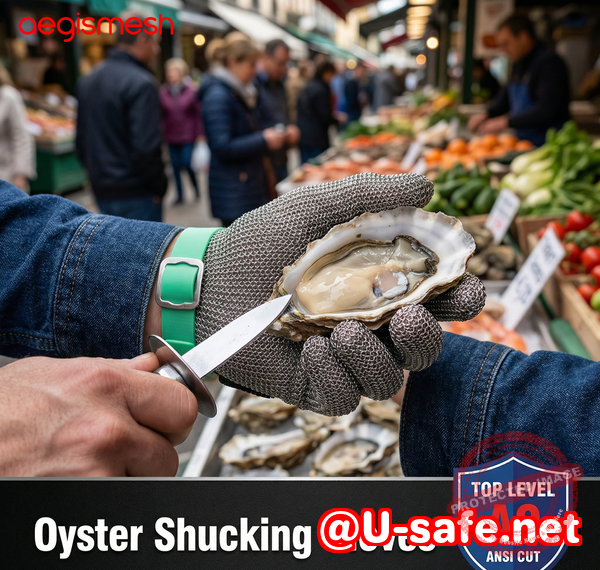
As someone who’s been through the process of buying and evaluating chainmail, I get it. It’s easy to make mistakesespecially when low-quality or decorative imitations are so prevalent. But with the right tools and knowledge, you can confidently assess the quality of any chainmail product before committing to a purchase.
Common Chainmail Problems and How to Solve Them
Chainmail products come in a wide variety of types and grades, but not all are created equal. Here are some of the most common issues people face when shopping for chainmail:
-
Welded vs Open Rings: Many low-quality chainmail products use open rings, which are more prone to breaking or coming undone over time. It’s essential to differentiate between welded rings (which offer superior durability) and open rings (which are often used in cheaper, less durable products).
-
Corrosion Resistance and Stainless Steel Grades: Not all stainless steel is the same. Some grades, like 304, may not hold up well in industrial environments or against moisture, leading to rust or weakness in the weave. Higher-grade stainless steel like 316 is ideal for resistance to corrosion and ensuring long-term strength.
-
Weak Weaves: The strength of a chainmail product depends on its weave. Weaves like the European 4-in-1 offer a balance of flexibility and strength, making it ideal for many applications. However, a poorly done weave can compromise the entire product.
Fortunately, with a little know-how and the right resources, you can ensure that you’re getting the high-quality chainmail you need for any projectbe it industrial use, cosplay, or historical reenactments.
How to Inspect Chainmail Quality: The Ultimate Guide
Whether you’re an industrial user, collector, or cosplayer, it’s crucial to know how to properly assess the quality of chainmail. Here’s a step-by-step guide to inspecting chainmail like a pro.
1. Check the Material
The first thing to do when inspecting chainmail is to verify the material. Not all chainmail is made of the same type of steel, and the grade of steel will drastically affect both performance and durability.
-
304 Stainless Steel: Commonly used in decorative pieces or lower-grade protective wear, 304 stainless steel is not ideal for heavy-duty applications. While it resists corrosion to some extent, it can weaken over time under stress, especially in industrial environments.
-
316 Stainless Steel: This is the superior choice for long-lasting durability. 316 stainless steel has added molybdenum, which makes it resistant to corrosion and perfect for industrial, food-handling, and outdoor use. If you’re looking for high-quality chainmail that will last, 316 is the way to go.
2. Inspect the Rings: Welded or Open?
One of the easiest ways to determine the quality of chainmail is by checking the rings. The best chainmail uses welded rings, which are stronger and more secure. Open rings, on the other hand, are weaker and can fall apart more easily over time. Here’s how to tell them apart:
-
Welded Rings: These rings are securely fused together and are difficult to separate without tools. They tend to hold up much better over time, especially under stress or heavy use.
-
Open Rings: These rings have a small gap, which can cause them to loosen or break apart more easily. While open-ring chainmail is fine for decorative or lightweight uses, it’s not ideal for protective wear.
3. Evaluate the Weave Pattern
Chainmail’s weave pattern plays a significant role in its overall strength and durability. The most common and durable weave used in high-quality chainmail is the European 4-in-1 pattern. This pattern interlaces each ring with four others, creating a tight, sturdy mesh that resists pressure and impact.
Other weaves exist, but the European 4-in-1 is considered the standard for durability and flexibility. Be sure to check that the rings are tightly interwoven, with no gaps or looseness in the weave. A poorly executed weave can lead to weakened spots that could break under pressure.
4. Inspect the Ring Thickness and Inner Diameter
Another crucial factor to consider when evaluating chainmail quality is the thickness of the wire used to create the rings. The thicker the wire, the more durable the chainmail will be. Additionally, the inner diameter of the rings affects how tightly the weave can hold together.
For industrial and protective uses, you’ll want thicker rings with a smaller inner diameter. This ensures that the chainmail can handle impacts or cuts without breaking apart. For cosplay or decorative uses, the thickness and diameter can be more flexible, but still aim for a sturdy construction to prevent the chainmail from falling apart easily.
5. Check for Signs of Corrosion
Even high-quality stainless steel chainmail can fall victim to corrosion if it’s exposed to the wrong conditions over time. When inspecting chainmail, look for any signs of rust or corrosion, especially around the rings. If you notice any discoloration, it could be an indication that the material is not high-quality stainless steel or that it hasn’t been properly treated.
If you’re planning to use the chainmail in an industrial setting or where hygiene is important (such as in food processing), it’s crucial that the material is corrosion-resistant. Choose chainmail made from high-quality stainless steel like 316 for this purpose.
Why Proper Chainmail Inspection Matters
By following these simple steps to evaluate chainmail, you can avoid making unsafe or costly purchases. Whether you’re buying chainmail for industrial cut protection, cosplay, or historical reenactments, taking the time to inspect the product ensures that it will meet your needs and last for years to come.
-
Industrial and Food Handling: For industries where durability and hygiene are critical, proper chainmail inspection can prevent potential safety hazards and costly mistakes.
-
Cosplay and Collectibles: Even if you’re buying chainmail for cosplay or a display piece, inspecting the weave and material quality ensures you get a product that looks authentic and holds up over time.
-
Save Money: Low-quality chainmail can lead to premature wear, meaning you’ll end up replacing it sooner than expected. Identifying low-quality products early on helps you save money and make more informed purchases.
Conclusion
Chainmail is a beautiful and functional craft that requires attention to detail when assessing its quality. By inspecting the material, rings, weave pattern, thickness, and signs of corrosion, you can ensure that the chainmail you’re purchasing is of the highest quality, whether for protection, cosplay, or display.
I highly recommend following these inspection steps before making any chainmail purchase. Doing so will ensure that you’re investing in a product that meets your expectations for durability and safety.
Learn more about identifying high-quality chainmail products at Aegimesh and check out our detailed chainmail inspection guide today!
Frequently Asked Questions
How can I tell if a chainmail ring is welded or open?
Simply inspect the ring closely. A welded ring will have no gap, while an open ring will have a small visible gap that can be pulled apart.
Which stainless steel grade is best for long-lasting chainmail?
316 stainless steel is the best choice for durable, corrosion-resistant chainmail. It’s ideal for industrial, food-processing, and outdoor use.
How do I inspect the weave pattern for strength?
Look for tightly interwoven rings with no gaps or loose spots. The European 4-in-1 weave is the most common and reliable for durability.
What are the signs of low-quality or unsafe chainmail?
Look for open rings, weak or inconsistent weaves, and signs of rust or corrosion. These are indicators of poor craftsmanship or material quality.
Can decorative chainmail be used for protective purposes?
Decorative chainmail can look great but may not provide the same level of durability or protection as higher-grade, welded chainmail made for industrial or safety use.
How do I choose the right chainmail for industrial vs. cosplay use?
For industrial use, opt for thicker rings with tight weaves and high-quality stainless steel like 316. For cosplay, you can choose lighter chainmail but still ensure the rings are welded and securely fastened.




 한국어
한국어  Русский
  Deutsch
  العربية