


The Art of Crafting Chainmail From Ancient Techniques to Modern Innovations
The Art of Crafting Chainmail: From Ancient Techniques to Modern Innovations
When I first started looking into chainmail, it felt like a mysterious art. Whether you’re a collector, a cosplayer, or someone in need of industrial-grade cut protection, you’ve probably been in the same situation: you want to make sure your chainmail is of the highest quality, but how do you really know? With so many variations in material, design, and craftsmanship, it’s easy to feel overwhelmed and unsure of how to evaluate a chainmail product.
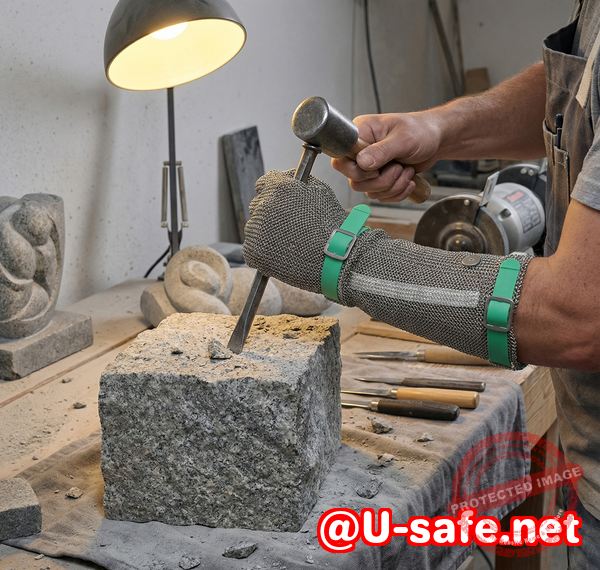
That’s why I’ve put together this guide to help you identify high-quality chainmail productswhether you’re looking for protection in the workplace, something to wear in a cosplay event, or an authentic historical piece. By the end of this article, you’ll have a clear understanding of what makes chainmail strong, durable, and safe, and how you can avoid wasting money on low-quality imitations.
Common Pain Points When Evaluating Chainmail
For many buyers, distinguishing high-quality chainmail from poorly made pieces can be challenging. These issues often come up:
-
Welded Rings vs. Open Rings
One of the most common problems is distinguishing between welded rings and open rings. Welded rings provide far greater durability, while open rings can unravel over time, especially under stress. If you’re purchasing chainmail for safety purposes (like cut-resistant gloves or aprons), the quality of the rings is crucial.
-
Stainless Steel Grades
Stainless steel is a popular material for chainmail, but did you know that not all stainless steel is created equal? There are different grades, like 304 and 316, which differ in terms of corrosion resistance and durability. This can make a huge difference, especially if you’re using chainmail in industrial settings or environments with high humidity.
-
Weak or Inconsistent Weaves
Chainmail isn’t just about the material; it’s also about how the individual rings are woven together. A poor weave can lead to weak spots, compromising the overall strength of the chainmail. For example, European 4-in-1 weave is known for its strength, but if done poorly, it might not hold up under pressure.
How to Evaluate Chainmail Quality: A Step-by-Step Guide
Luckily, there are easy ways to inspect and verify the quality of chainmail before making your purchase. Whether you’re buying it for cosplay, safety gear, or decorative purposes, here are the key areas to inspect:
1. Material: Stainless Steel Grades Matter
The first thing you should check when inspecting chainmail is the material. Most high-quality chainmail is made from stainless steel, but there are different grades you need to be aware of.
-
304 Stainless Steel is the most common grade and is generally sufficient for many uses. However, it is not as corrosion-resistant as the next grade.
-
316 Stainless Steel is the best choice for long-lasting chainmail, particularly if it will be exposed to moisture or harsh environments (like food processing or industrial settings). It’s more resistant to rust and corrosion, making it ideal for cut-resistant gloves or aprons.
2. Welding vs. Open Rings: Check the Connections
If you look at the rings of the chainmail, you should be able to tell whether they’re welded or simply open. Welded rings are created by melting the ends of each ring and then fusing them together. This provides a much stronger bond than open rings, which can separate under pressure.
How to tell the difference?
-
Welded rings will have a small visible seam where the ends of the ring meet, and you may see slight distortion near the joint.
-
Open rings will have visible gaps where the ends are not joined together.
3. Wire Thickness and Inner Diameter: Strength and Flexibility
Another critical factor in chainmail quality is the wire thickness and the inner diameter of the rings. A thinner wire might make the chainmail lighter and more flexible, but it also reduces its durability. For example, chainmail used for food handling or industrial work should have thicker wire for better cut resistance.
-
Thickness: Look for chainmail with wire that is thick enough to provide strength. Thicker wire usually means better durability, but it may also add weight.
-
Inner Diameter: The inner diameter of the rings should be consistent and properly sized. Too large a diameter will result in a loose weave, while too small a diameter might make the chainmail uncomfortable or stiff.
4. Weave Patterns: Ensuring Strength and Durability
The weave pattern is another important factor in determining the overall strength of the chainmail. The most common pattern is European 4-in-1, which involves four rings being woven through one central ring. This pattern offers excellent strength and durability because it distributes the force evenly across the weave.
Check for:
-
Tightness of the weave: Ensure that the rings are interlocked tightly. Loose weaves or gaps will compromise the chainmail’s strength.
-
Pattern consistency: The rings should be evenly spaced and neatly aligned to ensure a durable final product.
Practical Tips for Inspecting Chainmail
In addition to the steps above, there are a few hands-on ways to make sure you’re buying high-quality chainmail:
-
The Pull Test: Grab a section of the chainmail and pull it gently. If the rings are welded, they should stay intact. Open rings will come apart with even a slight pull.
-
Corrosion Check: Stainless steel should resist rust, but low-quality products may show signs of corrosion, especially in humid or wet environments. Check for any discoloration or signs of degradation on the rings.
-
Weave Integrity: Gently flex the chainmail to see if it moves smoothly. If the weave feels stiff or fragile, it may be a sign of poor craftsmanship.
The Benefits of Proper Chainmail Inspection
By following these steps, you can avoid making the following mistakes:
-
Buying unsafe chainmail for industrial or food-processing use: Poor-quality chainmail can pose a safety risk, especially in environments where sharp tools or machinery are involved.
-
Wasting money on low-quality products: Not all chainmail is created equal. You want to invest in something that will last and serve its purpose, whether for protection or display.
-
Being disappointed with your purchase: When chainmail doesn’t meet your expectations, it can be frustrating. Proper inspection helps you avoid this scenario.
Conclusion: Crafting the Perfect Chainmail Purchase
After going through the steps of inspecting chainmail, I highly recommend following these methods to ensure any chainmail you purchase meets both safety and durability standards. Whether you’re buying for industrial use, cosplay, or as a collectible, these inspection techniques will help you choose the best product.
Don’t compromise on qualitytake the time to evaluate the material, the rings, the weave pattern, and the overall craftsmanship. Doing so will save you money, prevent potential safety hazards, and make sure you’re getting exactly what you need.
Learn more about identifying high-quality chainmail products: https://www.aegimesh.com
Check out our detailed chainmail inspection guide today.
FAQs
-
How can I tell if a chainmail ring is welded or open?
Inspect the ends of the rings. Welded rings will have a visible seam where the ends are fused together, while open rings will have a gap.
-
Which stainless steel grade is best for long-lasting chainmail?
Grade 316 stainless steel is ideal for long-lasting chainmail due to its superior corrosion resistance. Grade 304 is also commonly used but less resistant to rust.
-
How do I inspect the weave pattern for strength?
Look for tightly interlocked rings that form a consistent and tight pattern. European 4-in-1 is one of the most robust weave patterns.
-
What are the signs of low-quality or unsafe chainmail?
Signs include loose rings, inconsistent weaves, rust or corrosion, and thin, flimsy wires that break easily.
-
Can decorative chainmail be used for protective purposes?
Decorative chainmail is generally weaker than protective chainmail. If you need chainmail for safety, ensure it is made from strong materials like 316 stainless steel and features a tight, consistent weave.
-
How do I choose the right chainmail for industrial vs cosplay use?
For industrial use, focus on cut-resistant chainmail made with thick wire and welded rings. For cosplay, you can choose lighter, decorative chainmail that’s more flexible but still durable enough for the look you want.
Explore Aegimesh Chainmail Software at: https://www.aegimesh.com/




 한국어
한국어  Русский
  Deutsch
  العربية