


Steel Metal Chainmail Riveted vs Welded Rings
Steel Metal Chainmail Riveted vs Welded Rings: A Buyer’s Guide
When purchasing chainmail for protection, cosplay, or even historical reenactments, it can be tough to tell the difference between high-quality and low-quality products. As someone who has been involved in the world of chainmail for years, I know the challenges of choosing the right piece. Whether you’re a buyer looking for cut-resistant protection or a collector searching for authenticity, understanding the quality of chainmail is crucial to ensuring a worthwhile investment.
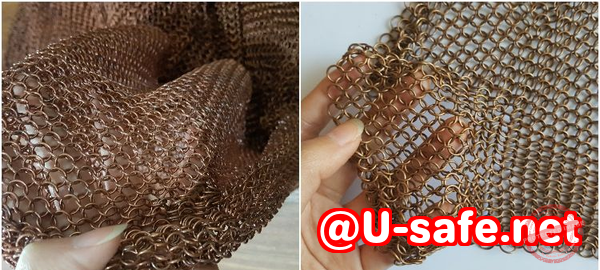
In this guide, we’ll dive deep into the key factors that define chainmail quality, focusing on two common types: riveted and welded rings. By the end, you’ll be equipped with the knowledge to confidently choose high-quality chainmail that’s durable, safe, and perfect for your specific needs.
Why Quality Matters in Chainmail
Before diving into the specifics of riveted vs welded rings, let’s first talk about why quality should be at the forefront of any chainmail purchase. When done right, chainmail provides unparalleled durability and protection. But when it’s poorly made, it can be ineffective or even dangerous.
Whether you’re using chainmail for:
-
Industrial cut protection (such as in the meat-packing industry or construction work),
-
Food processing (where safety from sharp tools is critical),
-
Cosplay (requiring a balance of authenticity and comfort),
-
Historical replicas (preserving the art of medieval craftsmanship),
-
Collector’s items (where fine detail matters),
the difference in quality directly impacts the product’s performance and longevity.
Understanding Chainmail Rings: Riveted vs Welded
Let’s explore the two primary types of rings you’ll encounter in chainmail: riveted and welded.
Riveted Rings
Riveted chainmail uses rings that are connected by a small metal pin or rivet. This traditional method has been used for centuries, dating back to medieval armor. Riveted chainmail is often seen as the gold standard for quality, especially for historical replicas or protective gear. The reason? It’s incredibly strong and can withstand more stress than welded rings due to the solid connection between each ring.
Advantages of Riveted Rings:
-
Durability: The rivet adds strength, making the rings less likely to pull apart.
-
Authenticity: If you’re a collector or historical reenactor, riveted rings are often the preferred choice because they closely replicate historical armor.
-
Longevity: Well-made riveted chainmail tends to last longer and better withstand wear and tear.
Disadvantages of Riveted Rings:
-
Cost: Due to the labor-intensive manufacturing process, riveted chainmail is usually more expensive.
-
Weight: Riveted mail can be heavier than welded mail, which might not be ideal for every application.
Welded Rings
Welded chainmail, on the other hand, involves rings that are fused together using heat or a welding process. This method is more modern and is often used for industrial purposes. Welded rings are faster and cheaper to produce, but they don’t have the same structural integrity as riveted rings.
Advantages of Welded Rings:
-
Cost-effective: Welded chainmail is generally less expensive than riveted mail.
-
Lightweight: Since welded rings use less material (no rivets), the overall weight is lighter.
-
Faster production: This type of chainmail can be produced in larger quantities, making it more accessible for mass production.
Disadvantages of Welded Rings:
-
Weaker construction: The weld may not hold as well under extreme stress as rivets do, which can lead to wear and tear faster.
-
Less authentic: For historical purposes or serious protection needs, welded rings may not be the best choice.
How to Inspect Chainmail Quality: Key Considerations
Now that we understand the difference between riveted and welded rings, how can you ensure you’re getting the best quality chainmail? Below are some crucial inspection tips to guide you in evaluating chainmail before making a purchase.
1. Check the Material: 304 vs 316 Stainless Steel
Stainless steel is the most common material used in chainmail due to its strength and resistance to corrosion. However, not all stainless steel is created equal. The two most commonly used grades in chainmail are 304 and 316.
-
304 Stainless Steel: This is a great option for decorative chainmail or lighter uses, but it’s more prone to corrosion when exposed to harsh environments.
-
316 Stainless Steel: This is the preferred material for high-durability chainmail, especially in industrial applications or outdoor environments. It’s highly resistant to corrosion, making it ideal for food processing or other harsh conditions.
If you’re in the market for cut-resistant chainmail, always go for 316 stainless steel, as its corrosion resistance and strength make it far more reliable in the long run.
2. Inspect the Ring Diameter and Wire Thickness
The ring diameter and wire thickness are two critical elements that impact the overall strength of the chainmail. A thicker wire and smaller diameter result in stronger, more durable chainmail, while a thin wire and large diameter will make it weaker.
When inspecting chainmail, make sure the rings are:
-
Consistent in size: Variability in diameter can indicate poor craftsmanship.
-
Thick enough: Thicker wire (in millimeters) will offer better protection and durability.
Look for these traits to ensure the chainmail is high-quality and reliable.
3. Evaluate the Weave Pattern: European 4-in-1
The weave pattern of chainmail also plays a huge role in its strength and durability. One of the most common and reliable weaves is the European 4-in-1 weave. In this pattern, each ring is connected to four others, creating a tight, interwoven structure. This type of weave offers excellent protection, as it distributes force evenly across the entire garment.
How to Inspect Weave Quality:
-
Look for uniformity: Uneven or loose rings indicate poor craftsmanship.
-
Test flexibility: A good weave should be flexible but not too loose.
When inspecting chainmail, take the time to check how well the rings interlock and ensure the pattern is consistent throughout.
4. Look for Signs of Weak or Poor Welding
If you’re inspecting welded chainmail, check the integrity of the welds. Low-quality welding can lead to cracks or breaks under stress. This can be difficult to spot at first glance, but if you see any unevenness, cracks, or if the weld appears weak, it’s a red flag.
5. Perform a Pull Test
If you’re unsure about the quality, one simple method is the pull test. Gently pull on a section of the chainmail to check how firmly the rings hold together. If the rings start to separate or bend under pressure, you know the quality is subpar.
Common Pitfalls to Avoid
Here are a few mistakes to avoid when shopping for chainmail:
-
Overlooking material quality: Don’t settle for low-grade stainless steel if you need durable chainmail for protection.
-
Falling for gimmicks: Some sellers will market cheap chainmail as “authentic” or “industrial-grade” even when it’s made with inferior materials.
-
Ignoring the importance of the weave: A beautiful design won’t matter if the chainmail doesn’t hold together properly.
Conclusion: My Recommendations for Quality Chainmail
When buying chainmail, whether for protection, cosplay, or collecting, always keep these inspection methods in mind:
-
Check the material (304 vs 316 stainless steel)
-
Inspect the rings for consistency in diameter and wire thickness
-
Evaluate the weave pattern, especially European 4-in-1
-
Look for strong welds or solid rivets
By following these steps, you can avoid unsafe, low-quality chainmail and ensure you’re getting a product that’s durable, safe, and perfect for your needs.
If you want to learn more about how to identify high-quality chainmail and make the best purchase for your needs, I highly recommend checking out our full chainmail inspection guide at Aegimesh.
FAQs
How can I tell if a chainmail ring is welded or open?
Welded rings are fused together, whereas open rings are simply linked but not welded shut. A simple visual inspection or pull test can help you identify the difference.
Which stainless steel grade is best for long-lasting chainmail?
For long-lasting durability, 316 stainless steel is the best choice, especially in harsh environments where corrosion resistance is crucial.
How do I inspect the weave pattern for strength?
Look for consistency in the rings and how tightly they are woven together. The European 4-in-1 pattern is especially strong and provides excellent protection.
What are the signs of low-quality or unsafe chainmail?
Signs include poor material quality (like low-grade stainless steel), loose rings, uneven welding, or inconsistent weaves that might compromise durability.
Can decorative chainmail be used for protective purposes?
While decorative chainmail can look great, it might not provide the same level of protection as industrial-grade chainmail. Always check the material and weave if you’re using it for protection.
How do I choose the right chainmail for industrial vs cosplay use?
For industrial use, opt for thicker, 316 stainless steel with a tight European 4-in-1 weave. For cosplay, lighter, decorative pieces made from 304 stainless steel may be sufficient, but make sure they’re durable enough to last through wear.
Tags:
chainmail quality, welded rings, stainless steel chainmail, cut-resistant chainmail, chainmail inspection, European 4-in




 한국어
한국어  Русский
  Deutsch
  العربية