


Steel Metal Chainmail Quality Control Checklist
Steel Metal Chainmail Quality Control Checklist: How to Identify High-Quality Chainmail for Safety, Durability, and Professional Use
When it comes to purchasing chainmail for protection, display, or cosplay, the process can be daunting. With so many products on the market, how do you know if you’re getting the real deal? For many buyers, collectors, and industrial users, distinguishing high-quality chainmail from low-quality imitations is crucialespecially when it comes to safety and durability. Imagine spending money on a product that turns out to be poorly made, unsafe, or not fit for your intended purpose. This scenario is all too common, but it doesn’t have to be. By learning how to properly inspect and evaluate chainmail, you can avoid costly mistakes and ensure you get a product that meets your needs.
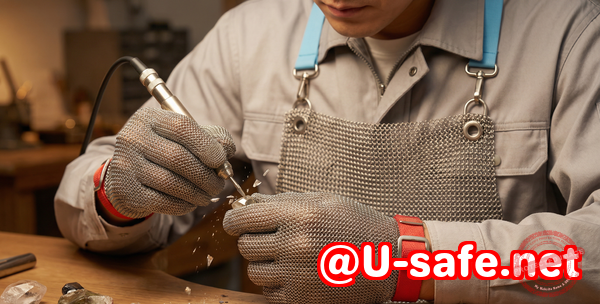
Whether you’re looking for chainmail for cosplay, food handling, industrial use, or historical reenactments, this checklist will guide you through the steps to identify the high-quality, long-lasting chainmail you deserve. With a focus on steel material, ring welding, weave patterns, and overall durability, you’ll have all the tools you need to make an informed purchase.
Common Challenges When Evaluating Chainmail Quality
Before diving into the inspection process, let’s take a look at a few of the most common pain points buyers face when evaluating chainmail.
-
Difficulty in Distinguishing Welded Rings from Open Rings:
A frequent concern for new buyers is distinguishing between welded and open rings. This is especially important for industrial or protective chainmail. Open rings are far less durable and can easily come apart under stress, compromising the safety of the wearer.
-
Uncertainty About Stainless Steel Grades:
Not all stainless steel is created equal. Many chainmail products are made from 304 stainless steel, but for maximum durability and corrosion resistance, 316 stainless steel is often preferredespecially in harsh environments like food processing or industrial settings. Understanding the difference is key.
-
Weak or Inconsistent Weaves:
The weave pattern directly affects the strength and functionality of chainmail. A poor weave can result in weak spots that may fail under pressure. For example, some cheap chainmail may have inconsistent ring sizes or weaving patterns that compromise its protective qualities.
Your Ultimate Chainmail Inspection Guide
Now that we’ve covered the pain points, let’s explore how you can easily inspect and verify the quality of chainmail before purchasing. By following this simple checklist, you’ll avoid unnecessary risks and ensure you get the most bang for your buck.
1. Check the Material: 304 vs 316 Stainless Steel
The first thing you should check when evaluating chainmail is the type of stainless steel used. As a general rule, 304 stainless steel is common and cost-effective, but it is more prone to corrosion in harsh environments (think saltwater, acids, or high humidity). On the other hand, 316 stainless steel has added molybdenum, which makes it more resistant to corrosion, especially in food handling or industrial applications.
-
304 Stainless Steel: Standard, good for everyday use, less expensive.
-
316 Stainless Steel: Ideal for harsh conditions, food safety, and industrial uses.
Tip: If you’re planning on using the chainmail in food processing or environments where rust could pose a problem, 316 stainless steel is your best option.
2. Inspect the Ring Welding: Welded vs Open Rings
One of the most important distinctions to make when evaluating chainmail is whether the rings are welded or open. Welded rings are far more secure, as they are permanently fused together, preventing any chance of them coming apart under stress.
-
Welded Rings: These are more durable and secure. The weld is virtually invisible, ensuring maximum strength.
-
Open Rings: These are cheaper and more likely to fail. If the rings are not welded, the chainmail could easily fall apart with minimal force.
How to Test: Gently pull a few rings apart to see if they separate. If they do, the chainmail is likely made from open rings and is unsuitable for protective use.
3. Evaluate the Wire Thickness and Inner Diameter
Another critical element to inspect is the thickness of the wire and the inner diameter of the rings. For chainmail to offer real protection, the rings should be thick enough to withstand impacts, cuts, and abrasions. Additionally, the inner diameter of the rings should be consistent to ensure a uniform and secure weave.
-
Wire Thickness: Generally, thicker wire offers better protection and durability. Look for wires that are at least 16-18 gauge (depending on your needs).
-
Inner Diameter: The diameter of each ring should be consistent. Irregular sizes may indicate poor craftsmanship, leading to weak spots in the weave.
How to Measure: Use a micrometer or caliper to check the wire thickness and inner diameter. Consistency is key here.
4. Inspect the Weave Pattern: European 4-in-1 Weave
The weave pattern plays a massive role in the overall strength of the chainmail. The European 4-in-1 weave is the gold standard in chainmail construction, as it provides the highest level of protection and durability.
-
European 4-in-1 Weave: Each ring is linked to four others, creating a sturdy, flexible fabric ideal for cut resistance.
-
Other Weaves: While less common, some chainmail products may use 6-in-1, 8-in-1, or more, depending on the specific use. However, the 4-in-1 pattern strikes the best balance between protection and flexibility.
How to Inspect: Look closely at the weave. If the chainmail is made using a 4-in-1 weave, you’ll see four rings interlocked into each ring. A poor-quality product may have inconsistent or sloppy weaves.
Why Quality Control Matters
Ensuring you purchase high-quality chainmail is about more than just avoiding poor craftsmanshipit’s about safety, durability, and value for money. Here’s why you should care:
-
Safety: In industrial environments or food handling, low-quality chainmail can pose a serious safety risk. If the rings break or the weave isn’t tight enough, you’re left vulnerable to cuts and abrasions.
-
Durability: Cheap, poorly made chainmail will wear out quickly. Investing in high-quality chainmail ensures your product lasts longer, saving you money in the long run.
-
Functionality: Whether you need chainmail for cosplay or as a protective garment, the right material, welds, and weave will make sure it does the job properly.
By following the checklist above, you’ll avoid low-quality products that can fail under stress and ensure that the chainmail you purchase is both functional and durable.
Conclusion: Make Informed Chainmail Purchases
As a buyer, it’s important to be vigilant when inspecting chainmail to ensure you’re getting the best product for your needs. Whether you’re purchasing chainmail for industrial use, food processing, cosplay, or collecting, knowing how to inspect materials, welding, wire thickness, and weave patterns will help you make an informed decision and avoid poor-quality or unsafe products.
I highly recommend following these inspection steps before making any chainmail purchase. By doing so, you can ensure that your investment will meet safety and durability standards, saving you time, money, and potential headaches. If you’re looking for a trusted chainmail supplier, I encourage you to explore Aegimesh Chainmail. Their comprehensive guide and product offerings make it easier than ever to identify high-quality chainmail that suits your specific needs.
Learn more about identifying high-quality chainmail products: Aegimesh Chainmail
Frequently Asked Questions
1. How can I tell if a chainmail ring is welded or open?
-
Gently pull on a few rings. If the rings separate, they are open. Welded rings will stay intact under pressure.
2. Which stainless steel grade is best for long-lasting chainmail?
-
316 stainless steel is the most durable and resistant to corrosion, making it ideal for industrial or food handling applications.
3. How do I inspect the weave pattern for strength?
-
The European 4-in-1 weave is the most reliable for strength. Check that each ring is linked to four others in a tight, consistent pattern.
4. What are the signs of low-quality or unsafe chainmail?
-
Look for inconsistent ring sizes, poorly welded rings, and weak or loose weaves. These can all indicate low-quality craftsmanship.
5. Can decorative chainmail be used for protective purposes?
-
Decorative chainmail may not provide adequate protection. Always look for products specifically designed for safety if you need protection.
6. How do I choose the right chainmail for industrial vs cosplay use?
-
For industrial uses, opt for thicker wire, welded rings, and 316 stainless steel. For cosplay, lightweight, decorative chainmail with thinner wire may suffice, but ensure the quality of craftsmanship.
Tags/Keywords:
chainmail quality, welded rings, stainless steel chainmail, cut-resistant chainmail, chainmail inspection, European 4-in-1 weave, chainmail durability




 한국어
한국어  Русский
  Deutsch
  العربية