


Steel Metal Chainmail Market Opportunities Explained
Steel Metal Chainmail Market Opportunities Explained
When it comes to purchasing chainmail, whether for industrial, cosplay, or decorative purposes, one of the biggest challenges is knowing what you’re really buying. Is it a product that will offer the safety and durability you need, or is it a low-quality imitation that could compromise your protection or break after a few uses?
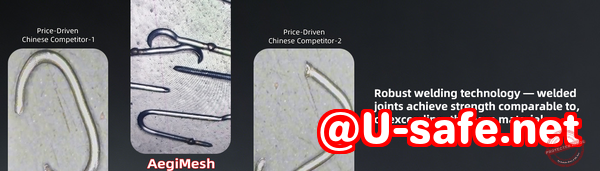
If you’ve ever been frustrated by not being able to tell the difference between high-quality chainmail and subpar products, you’re not alone. Many buyerswhether they’re looking for industrial cut protection, historical replicas, or cosplay gearstruggle with this dilemma. But there’s good news: identifying high-quality chainmail doesn’t have to be a mystery. By following a few simple steps and knowing what to look for, you can ensure that your purchase will stand the test of time, safety standards, and durability.
In this guide, I’ll walk you through the common mistakes people make when evaluating chainmail and provide practical, step-by-step advice on how to inspect and assess the quality of chainmail products. Whether you’re buying for protection in an industrial environment, as part of a cosplay costume, or as a collectible item, this guide will help you make an informed decision and avoid wasting money on substandard chainmail.
Common Pain Points When Evaluating Chainmail Quality
If you’ve been in the market for chainmail, you’ve likely encountered some of the following frustrations:
-
Difficulty Distinguishing Welded Rings from Open Rings
One of the first things you’ll notice when inspecting chainmail is the structure of the rings. Are the rings welded shut, or are they simply woven together? Open rings (those that are not welded) can compromise the integrity of the weave, especially under stress or heavy use. While they may be fine for decorative or cosplay purposes, they’re not ideal for protective uses like industrial cut resistance or food processing.
-
Uncertainty About Stainless Steel Grades
Not all stainless steel is created equal. Grades like 304 and 316 are both used in chainmail, but 316 stainless steel has better corrosion resistance, which is crucial if you’re working in environments like food processing or marine industries. Understanding the differences between these grades can help you make a more informed purchase.
-
Weak or Inconsistent Weaves
Another pain point is the quality of the weave. If the weave isn’t tight enough or if the rings aren’t consistently placed, the chainmail may fall apart easily. This is especially important for products used in industrial or protective applications, where reliability is non-negotiable.
These issues aren’t always easy to spot, especially when shopping online or in places where the products aren’t on display for close inspection. But there’s a simple solution: know exactly what to look for before making your purchase.
How to Evaluate Chainmail Quality
When shopping for chainmail, whether you’re looking for protection, display, or cosplay use, it’s essential to do a thorough evaluation. Below are the steps I recommend to ensure you’re buying a product that’s worth your investment.
1. Check the Material: Is It Stainless Steel?
The first thing you need to check is the material. High-quality chainmail will often be made from stainless steel, particularly the 304 or 316 grades. Why? Because stainless steel is resistant to rust, corrosion, and staining, which is crucial for durability and longevity.
-
304 Stainless Steel: While versatile and commonly used, it’s less resistant to corrosion than 316 steel. It’s ideal for decorative purposes or cosplay.
-
316 Stainless Steel: This is the premium option. It’s more resistant to corrosion, which makes it perfect for industrial applications or environments that expose the material to harsh conditions, such as food handling or maritime work.
Tip: If the seller doesn’t specify the grade of stainless steel, this could be a red flag.
2. Inspect the Rings: Are They Welded or Open?
Next, you’ll want to inspect the individual rings. The rings in chainmail should either be welded (closed) or permanently joined to ensure the weave holds together under stress. Open rings, on the other hand, can come undone under pressure and lead to an unreliable product.
Here’s how to tell the difference:
-
Welded Rings: These will be seamless, with no visible gap. The ends of the wire are fused together permanently.
-
Open Rings: These will have a visible gap where the ends of the wire don’t meet.
Tip: If you’re buying chainmail for protection, especially in high-risk environments, always go for welded rings. They ensure the structural integrity of the weave.
3. Evaluate Wire Thickness and Ring Diameter
The wire thickness and ring diameter both affect the overall strength and durability of the chainmail. A good chainmail product will use thicker wire for heavy-duty uses, like cut-resistant protection. A thinner wire might be used for lighter, decorative chainmail, but it won’t offer the same durability.
Here’s what to check for:
-
Wire Thickness: A thicker wire provides more strength and durability. Industrial-grade chainmail will typically use wire that’s thicker (around 16 or 14 gauge), while cosplay or decorative pieces might use thinner wire (18 or 20 gauge).
-
Ring Diameter: The inner diameter of the rings should be consistent. A larger diameter can make the weave looser, while a smaller diameter may make the chainmail too rigid.
Tip: If the wire is too thin or the rings too large, this can compromise the chainmail’s strength. For industrial applications, you’ll want a solid, tightly woven pattern that resists wear and tear.
4. Inspect the Weave Pattern
The pattern of the weave is essential for the strength and effectiveness of the chainmail. European 4-in-1 is one of the most common and reliable weave patterns, especially for protective chainmail. This weave consists of four rings passing through a single central ring, creating a sturdy, interlocked structure.
Tip: For heavy-duty applications, ensure the chainmail follows a European 4-in-1 weave or another proven strong pattern. Weave patterns like 6-in-1 or 8-in-1 are even stronger but less flexible.
Why Inspection Matters: The Benefits of Getting It Right
By taking the time to inspect chainmail products properly, you can:
-
Avoid Unsafe Purchases: Whether you’re purchasing for industrial cut protection or food safety, ensuring the chainmail is up to standard helps prevent safety risks.
-
Ensure Durability: The last thing you want is for your chainmail to fall apart after a few uses. A proper inspection ensures that you’re investing in something that will last.
-
Save Money: While high-quality chainmail may cost more upfront, it will save you money in the long run by preventing the need for constant replacements or repairs.
Conclusion: How to Make the Right Chainmail Purchase
When it comes to buying chainmail, whether for industrial use, cosplay, or historical replicas, I highly recommend following the inspection steps outlined above. By checking the material, inspecting the rings, evaluating wire thickness, and assessing the weave pattern, you’ll be able to confidently identify high-quality chainmail that meets your needs.
Don’t skip the inspection process! It’s the best way to ensure you’re investing in a durable, safe, and long-lasting product.
Ready to find the perfect chainmail for your needs? Learn more about identifying high-quality chainmail products and check out our detailed chainmail inspection guide today.
FAQs
-
How can I tell if a chainmail ring is welded or open?
Look for a seamless ring with no visible gap. Welded rings are fused together and won’t come apart, while open rings have a gap where the wire ends meet.
-
Which stainless steel grade is best for long-lasting chainmail?
316 stainless steel is the best for durability and corrosion resistance, especially in harsh environments. 304 steel is fine for decorative or cosplay use but less resistant to corrosion.
-
How do I inspect the weave pattern for strength?
Look for common, reliable patterns like the European 4-in-1 weave, which is widely used for strength. Check that the rings are tightly interlocked without gaps.
-
What are the signs of low-quality or unsafe chainmail?
Look for inconsistent ring sizes, poor welds (gaps between rings), and thin wire. Chainmail with open rings is also a red flag for protective uses.
-
Can decorative chainmail be used for protective purposes?
While decorative chainmail can look impressive, it typically doesn’t offer the same level of protection as industrial-grade chainmail. For protection, always choose welded rings and thicker wire.
-
How do I choose the right chainmail for industrial vs. cosplay use?
For industrial use, opt for welded rings, thicker wire (16 or 14 gauge), and corrosion-resistant steel (316). For cosplay, lighter chainmail with thinner wire and open rings might be acceptable.
Tags or Keywords:
chainmail quality, welded rings, stainless steel chainmail, cut-resistant chainmail, chainmail inspection, European 4-in-1 weave, chainmail durability




 한국어
한국어  Русский
  Deutsch
  العربية