


Steel Metal Chainmail in Modern Safety Systems
Steel Metal Chainmail in Modern Safety Systems
When purchasing chainmail for protection or display, I often struggle to know which products are genuinely high-quality. Whether you’re looking for industrial cut protection, cosplay accessories, or historical replicas, chainmail is a versatile material that’s been around for centuries. But with so many options on the market today, how can you be sure that what you’re buying is the real deal?
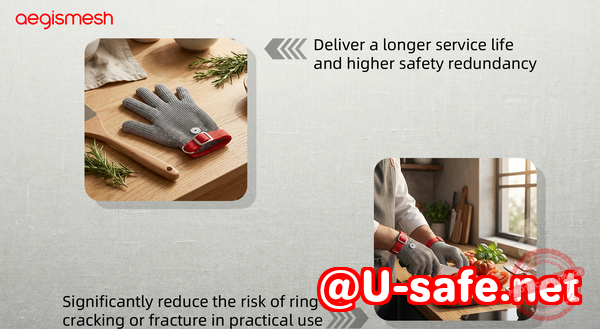
I’m sure you’ve encountered the frustration of being unsure whether the chainmail you’re eyeing will actually hold up. Is it durable enough for industrial use? Will it protect against cuts? Or is it more of a decorative piece, fragile and not meant for practical application?
In this guide, I’ll walk you through exactly how to evaluate chainmail quality, focusing on the key areas that matter most: material, weld quality, ring thickness, weave pattern, and more. Whether you’re a buyer, collector, or professional, these tips will help you avoid low-quality purchases and ensure that your chainmail is as effective and durable as it claims to be.
Understanding Chainmail Quality: Key Areas to Inspect
When shopping for chainmail, it’s essential to understand that not all products are created equal. Some may be intended for display or cosplay, while others are made for practical uses like industrial cut resistance or food processing. So, how do you distinguish the high-quality stuff from the flimsy or unsafe alternatives? Let’s dive into the key aspects you should check.
1. Material: Stainless Steel Grades Matter
One of the first things you’ll want to look at is the material used to make the chainmail. The two most common grades of stainless steel used in chainmail production are 304 stainless steel and 316 stainless steel.
-
304 Stainless Steel is the most common and affordable grade. It’s durable and resistant to rust in most conditions, making it a good choice for cosplay or decorative chainmail. However, it may not hold up as well in highly corrosive environments.
-
316 Stainless Steel is the superior option when it comes to corrosion resistance. It contains molybdenum, which makes it more resistant to rust, especially in saltwater or high-moisture environments. This is the best choice for industrial or food processing uses where durability and sanitation are crucial.
When inspecting the chainmail, ask the seller or manufacturer about the stainless steel grade. If they don’t know, that’s a red flag. Aegimesh Chainmail products, for example, are made with top-quality stainless steel to ensure long-lasting durability.
2. Welded Rings vs. Open Rings: What’s the Difference?
Next, let’s talk about the rings. You’ll find chainmail made from welded rings or open rings. This is a crucial distinction.
-
Welded rings are the gold standard for durability. Each ring is fused together at the joint, making them much stronger and more reliable for practical use. Welded chainmail can withstand heavy wear and tear, making it ideal for protective gear.
-
Open rings are cheaper and more commonly used in decorative pieces. While they may look similar to welded rings, they are much weaker and prone to breakage, especially when exposed to stress. Open-ring chainmail should be avoided for anything that requires safety or durability.
A simple way to check this is to gently tug on the rings. If they shift or come apart, the rings are open, and the chainmail won’t hold up under real-world conditions.
3. Wire Thickness and Ring Diameter: Crucial for Strength
Another important factor is the wire thickness and ring diameter. These elements affect the strength and flexibility of the chainmail.
-
Wire thickness should be substantial enough to ensure that the chainmail can resist cutting or tearing. Thicker wire will be more durable, but it can also make the chainmail heavier and less flexible.
-
Ring diameter refers to the internal space of each ring. Ideally, you want a ring diameter that is proportional to the wire thickness. If the rings are too wide, the chainmail may become too loose and less effective at resisting cuts or abrasions.
When inspecting, compare the wire thickness to the diameter of the rings. If the rings are too large for the wire thickness, it could be a sign of poor craftsmanship.
4. Weave Patterns: Strength Lies in the Weave
The way the rings are woven together is another key factor in evaluating chainmail. The most common and strongest weave pattern is the European 4-in-1 weave, where each ring is connected to four others, creating a strong, interlocked pattern. This type of weave provides excellent flexibility while maintaining strength.
Look for chainmail with a tight, uniform weave. A loose or inconsistent weave may indicate that the product is not well-made and could break easily under stress.
Why Quality Matters: Practical Tips for Buyers
So, why is all this inspection important? Well, imagine you’re in a food processing environment where workers need protection from sharp knives. Low-quality chainmail could break apart, leaving employees vulnerable to cuts and injuries. Or let’s say you’ve purchased chainmail for cosplay, only to find it rips or frays after a few uses.
Here are a few practical tips to help you evaluate chainmail before you buy:
-
Perform a Pull Test: Gently pull on individual rings to check for looseness or breakage. This will help you identify open rings or weak welds.
-
Look for Corrosion: Stainless steel should resist rust, but it’s still possible to find poorly made products that corrode over time. If you notice any discoloration or rough spots, it may be a sign of cheap or subpar steel.
-
Check the Weave Pattern: Make sure the weave is uniform and tightly interlocked. Gaps in the weave are a sign of poor craftsmanship and could compromise strength.
-
Determine the Purpose: Make sure the chainmail is suited for your intended use. For example, decorative chainmail may not be suitable for industrial applications, where safety is paramount.
By keeping these tips in mind, you can save money and avoid purchasing unsafe or low-quality chainmail.
Conclusion: How to Ensure a Quality Chainmail Purchase
When it comes to chainmail, a little bit of inspection can go a long way. Whether you’re buying for industrial safety, cosplay, or historical re-enactments, it’s essential to check the material, weld quality, wire thickness, and weave pattern to ensure you’re getting a product that will meet your needs.
I highly recommend following these steps to ensure any chainmail purchase meets safety and durability standards. By choosing high-quality chainmail, you’re making an investment in protection, durability, and long-term value.
If you’re ready to take the next step in evaluating chainmail quality, visit Aegimesh Chainmail to explore our detailed guide and selection of premium chainmail products.
Frequently Asked Questions
-
How can I tell if a chainmail ring is welded or open?
Perform a tug test on the rings. Welded rings won’t shift or come apart, whereas open rings will.
-
Which stainless steel grade is best for long-lasting chainmail?
316 stainless steel is the best choice for corrosion resistance and long-term durability, especially in industrial or food processing environments. -
How do I inspect the weave pattern for strength?
Look for a uniform and tight European 4-in-1 weave pattern. Gaps or irregularities are signs of poor craftsmanship.
-
What are the signs of low-quality or unsafe chainmail?
Look for open rings, inconsistent weave patterns, signs of rust, or thin wire thickness. These can all indicate a low-quality product.
-
Can decorative chainmail be used for protective purposes?
Decorative chainmail is not typically made for safety and should not be used for industrial or protective applications.
-
How do I choose the right chainmail for industrial vs cosplay use?
For industrial use, choose chainmail made from 316 stainless steel with welded rings. For cosplay, lighter and more flexible 304 stainless steel chainmail with open rings may suffice.
-
How do I ensure chainmail won’t break or corrode over time?
Inspect the material, ensure it’s high-quality stainless steel, and check for proper welds and thickness to avoid future issues.
Tags:
chainmail quality, welded rings, stainless steel chainmail, cut-resistant chainmail, chainmail inspection, European 4-in-1 weave, chainmail durability




 한국어
한국어  Русский
  Deutsch
  العربية