


Steel Metal Chainmail for Worker Protection Programs
Steel Metal Chainmail for Worker Protection Programs: A Complete Guide to Identifying Quality Products
When it comes to purchasing chainmail for protection, whether for industrial use, cosplay, or food processing, it can be tough to tell the good from the bad. You want something strong, durable, and safe, but with so many options available, how do you know what’s genuinely high quality? I’ve seen too many buyers get burned by low-quality, unsafe chainmail that doesn’t meet expectations or, worse, poses real safety risks. That’s why it’s crucial to understand what makes one piece of chainmail better than another.
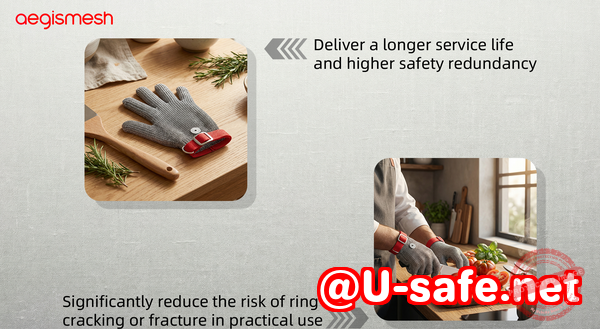
In this guide, I’ll walk you through the essential steps to help you confidently identify the quality of chainmail productswhether you’re buying for worker protection, cosplay, or just as a collector’s piece. By the end of this post, you’ll know exactly how to spot low-quality, unsafe options and save money while ensuring you get the durability and protection you need.
Why Chainmail Quality Matters
Chainmail isn’t just for medieval reenactors or fantasy fansit plays a critical role in worker protection programs, especially in industries where workers face high risks of cuts and abrasions. Imagine you’re in the food processing industry, and you’re tasked with handling sharp knives all day. A poorly made chainmail glove or apron could fail at the wrong moment, leading to serious injuries. The same goes for cosplay enthusiasts, where the durability of your costume directly impacts the overall look and functionality.
For industrial users and collectors alike, distinguishing high-quality chainmail from subpar products is crucial. Whether you’re using it for safety, display, or a specific task, the durability and protection you get depend entirely on the material quality and craftsmanship. So how do you avoid the traps? Here’s what to look for.
Common Pain Points When Buying Chainmail
-
Welded Rings vs. Open Rings
One of the most significant concerns I’ve encountered when helping people choose chainmail is knowing the difference between welded and open rings. It’s easy to assume all chainmail is the same, but the difference between welded and open rings can make a huge impact on its performance. Open rings, while cheaper, are much more likely to loosen or fail under stress, which makes them unsuitable for protective uses like food handling or industrial work.
-
Material Choices: Stainless Steel Grades
You’d think that all stainless steel is the same, but there are actually different grades, and some are much more corrosion-resistant and durable than others. When you’re investing in chainmail, especially for industrial or food processing use, you’ll want to make sure it’s made from a high-quality stainless steel grade like 316 (marine grade) or 304 (food-grade). Lower grades won’t hold up over time, and they could rust or corrode under pressure.
-
Weave Patterns and Durability
Not all weaves are created equal. The European 4-in-1 weave is one of the most popular patterns for ensuring durability and strength, but if you’re not familiar with it, you could end up with a weaker, less effective product. A poorly woven chainmail can break apart under pressure or fail to provide the protection you expect.
Aegimesh Chainmail: Your Guide to Quality
At Aegimesh, we know just how important it is to get quality chainmail, whether it’s for worker protection, cosplay, or historical reenactments. Our chainmail products are specifically designed to meet high standards for durability, safety, and functionality. But even if you’re not buying from us, it’s important to know how to evaluate chainmail products effectively. Here’s how you can inspect chainmail like a pro.
Step-by-Step Guide to Inspecting Chainmail Quality
1. Check the Material: Stainless Steel Grades
One of the first things to verify is the material. High-quality chainmail is often made from stainless steel, but not all grades of stainless steel are the same. The two most common grades used for chainmail are 304 and 316 stainless steel.
-
304 Stainless Steel: This is commonly used for food handling and general protective purposes. It’s durable, resistant to corrosion, and easy to clean.
-
316 Stainless Steel: This is a marine-grade stainless steel that is more resistant to corrosion and ideal for harsh conditions, such as exposure to saltwater or extreme industrial environments.
How to check: Most reputable sellers will clearly state which grade of stainless steel is used. If you’re unsure, a simple magnet test can help304 stainless is generally magnetic, while 316 is non-magnetic.
2. Inspect the Rings: Welded vs. Open
High-quality chainmail should have welded rings, not open rings. Why? Welded rings are much stronger and less likely to break or come apart under stress. Open rings, while cheaper to make, can weaken over time as they’re more prone to catching and bending.
How to check: Take a closer look at the rings. Welded rings will have a visible seam or joint where the ends have been fused together. Open rings, on the other hand, will appear as two loose ends simply looped through one another.
3. Evaluate Wire Thickness and Ring Diameter
The wire thickness and ring diameter directly affect the strength and durability of the chainmail. Thicker wire generally means stronger chainmail, while larger ring diameters can make the weave more flexible but less protective.
How to check: A simple measurement of the wire thickness and ring diameter will give you an idea of the chainmail’s strength. You’ll also want to ensure that the wire thickness is consistent throughout the entire piece.
4. Examine the Weave Pattern
The European 4-in-1 weave is one of the most durable and reliable weaves for chainmail. It involves each ring passing through four other rings, creating a strong interlocking pattern. This is the weave you’ll want to look for if you need chainmail that provides both protection and durability.
How to check: Look at the weave pattern closely. If the pattern appears inconsistent, loose, or fragile, it’s a sign that the chainmail may not perform well under pressure.
5. Perform a Pull Test
A quick test to check the strength of the chainmail is to gently pull at the rings. A high-quality piece of chainmail should feel taut and firm, with no rings slipping or separating. If the rings feel loose or any part of the weave comes apart easily, that’s a major red flag.
6. Check for Signs of Corrosion
Corrosion or rust can significantly weaken chainmail, especially if it’s not made from high-quality stainless steel. If you notice any signs of rust or discoloration, it’s best to avoid that piece, especially if you intend to use it in an industrial or food-handling environment.
Why Quality Chainmail is Worth the Investment
Investing in high-quality chainmail is about more than just ensuring it looks goodit’s about protecting yourself or others in high-risk environments. Whether you’re working with sharp objects in a factory, handling food, or cosplaying as a medieval knight, the last thing you want is to have your chainmail fail when you need it most.
When you take the time to inspect your chainmail and ensure that it meets high standards, you’re not only protecting your investment but also ensuring your safety and the safety of others. And let’s face it, you don’t want to buy cheap chainmail that will only break or degrade after a few uses. Trust me, I’ve seen it happen too many times.
Conclusion: Make Informed Choices
In summary, checking chainmail quality is crucial for making informed purchasing decisions, whether you’re a professional in need of reliable protective gear or a hobbyist looking for a stunning cosplay costume. By following these simple inspection methodschecking the material, inspecting the rings, evaluating wire thickness and ring diameter, and assessing the weaveyou can confidently buy chainmail that meets your needs and provides lasting durability.
I highly recommend following these steps to ensure any chainmail purchase meets safety and durability standards. Trust me, it’s worth the effort to inspect before you buy!
Learn more about identifying high-quality chainmail products: https://www.aegimesh.com/
Check out our detailed chainmail inspection guide today.
FAQ
How can I tell if a chainmail ring is welded or open?
Look for a visible seam where the ring has been welded shut. Open rings will appear as two ends looped together without any visible weld.
Which stainless steel grade is best for long-lasting chainmail?
For industrial use, 316 stainless steel is ideal due to its superior corrosion resistance. For general protection or food handling, 304 stainless steel is a good choice.
How do I inspect the weave pattern for strength?
The European 4-in-1 weave is the most durable and reliable. Look for tight, consistent rings interlocking in this patternloose or inconsistent weaves indicate poor quality.
What are the signs of low-quality or unsafe chainmail?
Look for signs like rust, weak rings, inconsistent weaving, or loose rings that come apart under pressure.
Can decorative chainmail be used for protective purposes?
Decorative chainmail may look great, but it’s often made with open rings and weaker materials. It’s not suitable for real protection.
How do I choose the right chainmail for industrial vs cosplay use?
For industrial use, choose chainmail with welded rings, made of high-quality stainless steel, and a strong weave like European 4-in-1. For cosplay, focus on aesthetics and comfort, but still ensure durability with welded rings and good materials.
Keywords:
chainmail quality, welded rings, stainless steel chainmail




 한국어
한국어  Русский
  Deutsch
  العربية