


Steel Metal Chainmail for Industrial Knife Safety
Steel Metal Chainmail for Industrial Knife Safety
When you’re in the market for chainmailwhether for industrial protection, cosplay, or historical re-enactmentsit’s easy to feel overwhelmed. You might think, “How do I know if this chainmail will hold up when it really matters?” This is especially true for buyers looking for industrial-grade chainmail that can stand up to sharp objects, like knives or machinery. I’ve been there myself, uncertain whether the product I was looking at was truly high-quality or just a shiny, cheap imitation.
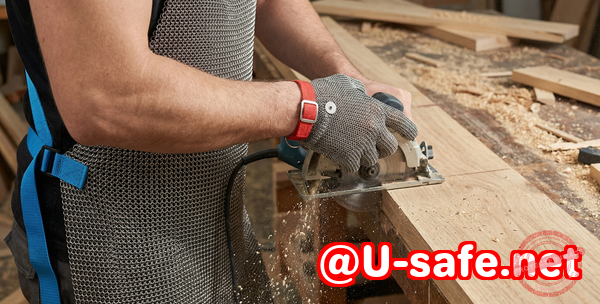
The truth is, not all chainmail is created equal. While some products might look the part, they might not offer the durability or safety you need, especially in professional environments. So how do you separate the genuinely durable, cut-resistant chainmail from the weak, decorative types that won’t protect you when you need it most? In this guide, I’ll walk you through how to evaluate the quality of chainmail, focusing on the key factors like material, ring welding, weave patterns, and more. With these tips, you’ll be able to make an informed decision every time, whether you’re outfitting your kitchen staff or assembling your next cosplay.
Common Chainmail Concerns and How to Solve Them
Before we dive into how to inspect chainmail, let’s first look at a few common pain points buyers face when evaluating chainmail for safety, durability, and professional use.
-
Distinguishing between welded rings and open rings: One of the most common mistakes I see is mistaking welded rings for open rings. It’s easy to assume they’re the same, but they’re not. Open rings might be cheaper and quicker to manufacture, but they’re much less durable and can compromise the strength of the whole piece.
-
Understanding stainless steel grades: Not all stainless steel is the same. There’s a big difference between 304 stainless steel and 316 stainless steel, and it’s essential to choose the right grade depending on your specific needs. 304 might be good for general use, but 316 is much more corrosion-resistant, which is crucial in industrial environments or areas with a lot of moisture.
-
Weak or inconsistent weaves: Not all weaves are created equal. A poor weave can lead to weak spots in your chainmail, making it more likely to break or tear when exposed to stress or sharp objects.
Now, let’s break down these issues one by one and discuss how you can evaluate chainmail quality effectively.
How to Inspect Chainmail for High Quality
When purchasing chainmailwhether for industrial protection, cosplay, or historical useyou need to know how to spot quality from a distance. Here are the main things to look for.
1. Material Type: Stainless Steel Grades (304 vs. 316)
The first thing you should check when evaluating chainmail is the material. Stainless steel is a common choice for its durability, but there are different grades of stainless steel to consider.
-
304 Stainless Steel: This is the most commonly used grade and is sufficient for most general applications. It’s durable and resistant to rust, but it doesn’t have the best corrosion resistance, especially in environments exposed to salt or moisture (like kitchens or outdoor settings).
-
316 Stainless Steel: If you’re using chainmail in an environment that involves a lot of moisture or corrosive substances, 316 stainless steel is the superior choice. It’s more resistant to rust, corrosion, and staining, making it ideal for industrial uses like food processing or marine environments.
I recommend asking the supplier about the material grade before purchasing. If you plan to use the chainmail in a high-moisture or high-risk environment, 316 stainless steel is the way to go.
2. Ring Welding: Welded vs. Open Rings
The next thing to examine is the construction of the chainmail itself. Specifically, you need to check whether the rings are welded or open. Here’s why it matters:
-
Welded Rings: Welded rings are fused together to create a strong, seamless bond. This type of construction adds extra strength to the chainmail and ensures that the rings won’t separate over time, especially under stress. This is crucial for industrial uses where you need reliable protection against sharp objects.
-
Open Rings: These are rings that are simply bent into shape but not welded. They are much more likely to come apart under pressure and provide less protection. Open rings might be acceptable for decorative or lightweight purposes, but they’re not recommended for safety or industrial use.
I can’t stress enough how important it is to check the welding of the rings before buying. Simply try to pull the rings apart gently with your fingers. If they’re welded, they shouldn’t move. If they’re open, they’ll likely have some give.
3. Ring Thickness and Inner Diameter
Another crucial factor in evaluating chainmail quality is the thickness of the wire used and the inner diameter of the rings. These factors directly affect the durability and strength of the chainmail.
-
Wire Thickness: The thicker the wire, the stronger and more durable the chainmail will be. Thin wires can bend or break more easily under pressure, which is a major concern for industrial or protective chainmail. Aim for a wire thickness that feels substantial and solid when you handle the chainmail.
-
Inner Diameter of the Rings: The inner diameter (ID) of the rings also plays a significant role in the chainmail’s overall strength. If the rings are too large, they might not interlock tightly enough, weakening the structure. If they’re too small, the chainmail might become too stiff and uncomfortable to wear.
You’ll want a balance between the twolarge enough to allow for mobility and flexibility, but small enough to ensure the chainmail is strong enough to protect you.
4. Weave Pattern: European 4-in-1 and Other Weaves
One of the most popular weave patterns in high-quality chainmail is the European 4-in-1 weave. This weave pattern is considered one of the strongest, as it interlocks four rings around each central ring, distributing the pressure and stress evenly across the entire piece.
When inspecting the weave, ensure that:
-
The rings are consistently aligned and woven tightly.
-
There are no gaps or loose spots.
-
The pattern looks uniform across the entire piece.
A poor or inconsistent weave will compromise the overall strength and durability of the chainmail. If you’re buying for protection, like in the food industry or for industrial use, a strong weave like European 4-in-1 is non-negotiable.
Why This Matters for You
Whether you’re buying chainmail for knife protection in the kitchen, for industrial use, or simply for a cosplay project, these inspection tips can save you money and prevent potentially unsafe purchases.
-
Avoiding unsafe chainmail: If you don’t inspect your chainmail thoroughly, you might end up with a product that’s not fit for purpose. A weak or poorly made chainmail could break under pressure, putting you at risk for cuts or injuries.
-
Ensuring durability: Investing in high-quality chainmail means it will last longer, giving you better value for your money. By following these inspection steps, you’re making sure you’re buying something that will stand the test of time.
-
Saving money: High-quality chainmail might come at a higher price point, but it’s an investment in safety and durability. Avoiding low-quality products ensures you’re not wasting money on something that won’t perform when you need it.
Conclusion: How to Make an Informed Purchase
If there’s one thing I’ve learned from buying and using chainmail for various purposes, it’s that inspecting the material, welding, wire thickness, and weave pattern is essential. I highly recommend following these steps to ensure any chainmail purchase meets safety and durability standards.
If you’re in the market for industrial-grade chainmail or even a high-quality piece for cosplay or collectibles, be sure to check out Aegimesh Chainmail. They offer a detailed chainmail inspection guide that can help you verify quality and avoid unsafe products.
FAQ
1. How can I tell if a chainmail ring is welded or open?
Look closely at the ring’s edges. A welded ring will have a smooth, continuous surface without any gaps. An open ring will show signs of bending or an uneven seam.
2. Which stainless steel grade is best for long-lasting chainmail?
For general use, 304 stainless steel works well. However, for industrial or high-moisture environments, 316 stainless steel offers superior corrosion resistance and durability.
3. How do I inspect the weave pattern for strength?
Check that the rings are tightly interlocked with no gaps. The European 4-in-1 weave is a great choice for strength, as it distributes pressure evenly.
4. What are the signs of low-quality or unsafe chainmail?
Loose rings, inconsistent weaving, thin wire, and poorly welded rings are all signs of low-quality chainmail. These can compromise safety and durability.
5. Can decorative chainmail be used for protective purposes?
Decorative chainmail is often made with lighter, less durable materials and is typically unsuitable for protection. Always look for chainmail designed specifically for safety in industrial or food-processing environments.
6. How do I choose the right chainmail for industrial vs cosplay use?
For industrial use, choose chainmail made from 316 stainless steel, with welded rings and a strong, tight weave. For cosplay, the material and weave are less critical, but still ensure the rings are securely welded and the piece is comfortable to wear.
Tags or Keywords
chainmail quality, welded rings, stainless steel chainmail, cut-resistant chainmail, chainmail inspection, European 4-in-1 weave, chainmail durability




 한국어
한국어  Русский
  Deutsch
  العربية