


Steel Metal Chainmail as the Future of Cut Protection
Steel Metal Chainmail as the Future of Cut Protection
When it comes to safety gear, especially in industries like food processing, metalworking, and even cosplay, chainmail is often touted as an excellent form of cut protection. But, let’s be honestnavigating the world of chainmail can be tricky. Whether you’re a buyer seeking protection gear, a collector hunting for a rare piece, or a cosplayer aiming for authenticity, one thing’s for sure: quality matters.
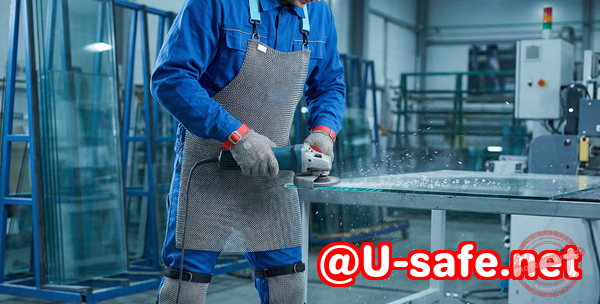
Here’s the problem: not all chainmail is created equal. Some might look shiny and durable, but beneath the surface, it could be poorly crafted or even unsafe. In fact, buying a subpar chainmail product can cost you money and, worse, leave you exposed to safety risks. So how do you ensure you’re making the right choice? How can you spot a quality piece from a low-quality imitation? That’s where this guide comes in.
Identifying High-Quality Chainmail: The Key to Durability and Safety
I’ve been there beforestanding in front of a display of chainmail and wondering, “How do I know if this will actually protect me, or if it’s just for decoration?” As a buyer or collector, it’s easy to feel overwhelmed by all the options out there. With chainmail, it’s not just about how it looks, but how it performs. Here are some key pain points I’ve encountered when evaluating chainmail, and how you can overcome them with simple inspection techniques:
1. Welded Rings vs. Open Rings: The Durability Dilemma
One of the first things to check when evaluating chainmail is whether the rings are welded or open. Open rings are more common in decorative or low-quality pieces, but they can easily come undone under pressure, rendering your chainmail ineffective as protection. On the other hand, welded rings are far more secure and durable, making them ideal for industrial use or high-stress situations.
Quick Tip: To test if the rings are welded, give them a gentle tug. If the rings move or separate easily, it’s likely open-ring chainmail. If they stay firm and intact, you’ve got welded rings.
2. Choosing the Right Stainless Steel: 304 vs. 316
When buying chainmail, you’ll also want to pay attention to the material. Stainless steel is the gold standard, but not all grades are equal. The most common grades are 304 and 316, with 316 being more resistant to corrosion and better suited for high-humidity environments like food processing or marine work.
Quick Tip: If you’re unsure which grade to choose, ask the seller. You’ll want 316-grade stainless steel for harsh environments, while 304 might suffice for cosplay or decorative use.
3. Wire Thickness and Inner Diameter: Size Matters
The thickness of the wire and the inner diameter of each ring are critical factors in determining the strength of the chainmail. Thicker wires and smaller diameters create a denser weave, which is more protective. A looser weave with larger rings might look impressive but won’t stand up to cutting tools as well.
Quick Tip: Check the wire thickness with a caliper, or compare the chainmail to a known high-quality piece. You want a tightly-woven structure with small, evenly-sized rings for maximum durability.
4. Weave Pattern: The European 4-in-1 Standard
When it comes to weave patterns, the European 4-in-1 is a classic for a reason. This pattern, where each ring connects to four others, creates a strong, flexible structure ideal for protection. While there are other weaves (like 6-in-1 or 8-in-1), the 4-in-1 is the most common and reliable for both industrial and decorative uses.
Quick Tip: Look closely at the weave. In a high-quality piece, each ring should be evenly connected in the 4-in-1 pattern. Uneven rings or inconsistent weaving might indicate poor craftsmanship.
5. The Pull Test: Put It to the Test
One of the simplest ways to gauge the quality of a chainmail piece is to perform a pull test. This involves applying force to see how the rings hold up under pressure. If you notice any slippage or breakage, it’s time to move on to another product.
Quick Tip: When pulling, use a consistent and steady force. If any rings bend, separate, or the weave becomes loose, you’ll know the quality isn’t up to par.
Why Chainmail Quality Matters: The Real-World Benefits
Understanding how to evaluate chainmail quality isn’t just about saving moneyit’s about ensuring safety and durability. Here’s why the right inspection techniques matter:
-
For Industrial or Food-Processing Use: Low-quality chainmail could lead to injuries if it fails to protect against sharp objects. Whether you’re handling knives in a food processing plant or dealing with sharp tools in a metalworking shop, the chainmail you use should be tough enough to withstand the demands of your job.
-
For Cosplay or Historical Replicas: While these uses might not require the same level of protection, durability still matters. A well-made chainmail shirt or coif can withstand wear and tear, ensuring your investment lasts longer and looks great.
-
For Decorative Pieces: Even if you’re just after chainmail for its aesthetic value, poor quality can still cause issues. It may tarnish quickly, lose its shape, or even break if handled roughly.
By properly inspecting chainmail before purchase, you can avoid purchasing unsafe or fragile designs. It’s easy to miss warning signs if you don’t know what to look for, but once you’re familiar with the key indicators of quality, you’ll be able to make an informed choice.
Recap: How to Identify High-Quality Chainmail
To make sure your chainmail is up to the task, keep these inspection steps in mind:
-
Check the rings: Are they welded or open? Welded rings provide more security and durability.
-
Inspect the material: Look for stainless steel, and prefer 316-grade for environments that demand corrosion resistance.
-
Measure the wire thickness and inner diameter: The denser the weave, the stronger the protection.
-
Examine the weave pattern: The European 4-in-1 is the most reliable for strength and flexibility.
-
Perform a pull test: Ensure the rings don’t separate under pressure.
I highly recommend following these steps to ensure any chainmail purchase meets safety and durability standards. With the right knowledge, you can avoid wasting money on low-quality products and make sure your investment is well spent.
If you’re serious about chainmail, take the next step in ensuring your purchases are both safe and durable. Learn more about identifying high-quality chainmail products: Aegimesh Chainmail Guide.
FAQs
-
How can I tell if a chainmail ring is welded or open?
A welded ring stays intact under pressure, while an open ring may separate when pulled. Perform a gentle tug to test.
-
Which stainless steel grade is best for long-lasting chainmail?
For durability and corrosion resistance, 316 stainless steel is ideal. It’s especially recommended for industrial and food-processing use.
-
How do I inspect the weave pattern for strength?
Look for a European 4-in-1 pattern, where each ring connects to four others. The weave should be tight and uniform.
-
What are the signs of low-quality or unsafe chainmail?
Signs include open rings, inconsistent weave patterns, weak or bendable wire, and rust or corrosion.
-
Can decorative chainmail be used for protective purposes?
Decorative chainmail may not provide the same level of protection as industrial-grade pieces. For protection, opt for chainmail with welded rings and a solid weave pattern.
-
How do I choose the right chainmail for industrial vs. cosplay use?
For industrial use, choose thicker rings, welded steel, and corrosion-resistant materials like 316 stainless steel. For cosplay, focus on aesthetic design and comfort, though durability is still important.
Tags/Keywords:
chainmail quality, welded rings, stainless steel chainmail, cut-resistant chainmail, chainmail inspection, European 4-in-1 weave, chainmail durability




 한국어
한국어  Русский
  Deutsch
  العربية