


Steel Metal Chainmail and Industrial Automation Safety
Steel Metal Chainmail and Industrial Automation Safety
When you’re in the market for chainmailwhether it’s for industrial purposes, cosplay, or even historical re-enactmentsone question often comes to mind: How can I tell if the chainmail is truly high-quality or just a cheap imitation?
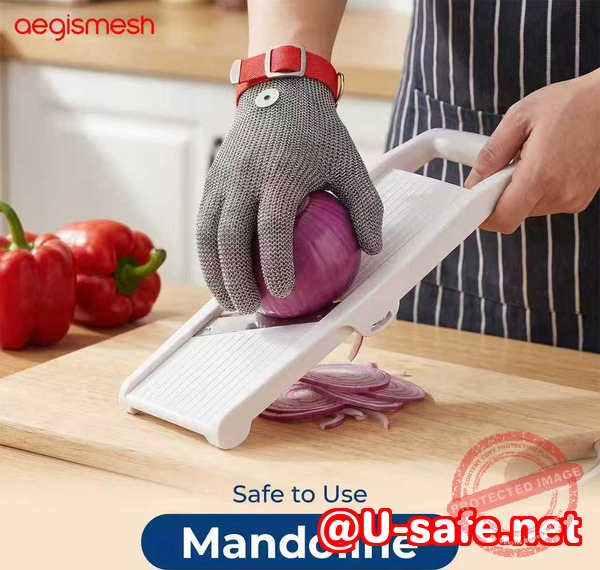
As someone who’s dealt with chainmail for a while, I can say that distinguishing between genuine, durable products and low-quality or unsafe designs isn’t always straightforward. Whether you’re a buyer purchasing for protection in industrial settings, a collector adding to your display, or a cosplayer looking for the perfect look, you need a chainmail product that’s built to last and can perform its intended function safely. Unfortunately, many people unknowingly purchase products that look the part but fall short when it comes to durability, safety, and craftsmanship.
In this guide, I’ll walk you through the steps for evaluating steel metal chainmail, specifically Aegimesh Chainmail, which is engineered for durability and safety. By the end of this article, you’ll be able to spot high-quality chainmail from a mile away and avoid wasting money on subpar products.
Understanding Chainmail Quality: The Core Components
Before diving into the specifics of how to evaluate a piece of chainmail, let’s first break down the main components that determine its quality. When shopping for chainmail, there are a few crucial things you’ll want to inspect:
-
Material Type: Not all steel is the same. For maximum strength and corrosion resistance, you should be looking for 304 or 316 stainless steel.
-
Ring Construction: One of the easiest ways to tell high-quality chainmail from a poor-quality one is to look at the rings. Are they welded or open?
-
Wire Thickness: Thicker wires usually equate to a stronger, more durable piece of chainmail.
-
Ring Diameter and Weave Pattern: This is where things get technical, but it’s important. Weave patterns like European 4-in-1 are widely considered the most durable and resistant to damage.
Let’s take a closer look at these components and discuss how to inspect them properly.
Common Pain Points: What Goes Wrong
Over the years, I’ve encountered a few typical issues when it comes to buying chainmail. These problems are frustrating for both industrial users and collectors, and they tend to crop up again and again. Here are a few common pain points:
-
Welded Rings vs. Open Rings: One of the most frequent issues I’ve seen is confusion over whether a chainmail ring is welded or simply open. Open rings are less durable, making them prone to breaking under pressure, while welded rings provide much better durability and strength.
-
Stainless Steel Grade Confusion: Stainless steel is used in nearly every high-quality chainmail product, but not all stainless steel is created equal. Many cheaper pieces are made with lower-grade materials that are prone to rust, corrosion, or wear. You’ll want to make sure the material is either 304 or 316 stainless steel, the former being a common option for most industrial and protective uses, and the latter being a more corrosion-resistant choice.
-
Inconsistent Weaving Patterns: A poor-quality weave may look fine from the outside, but it won’t hold up to industrial use or the rigors of food processing. The European 4-in-1 weave is generally considered the gold standard for durability. It’s also easier to inspect, as the pattern is immediately recognizable.
Solution: How to Inspect Your Chainmail for Quality
So how can you avoid these common mistakes and ensure you’re getting the best value for your money? Let’s go over some practical, real-world inspection methods you can use to spot top-tier chainmail. Whether you’re inspecting for industrial use, cosplay, or decorative purposes, these steps will help you make informed decisions.
1. Inspect the Material: 304 vs. 316 Stainless Steel
First, you need to confirm that the chainmail is made from high-quality stainless steel. You’ll typically find 304 stainless steel in general-purpose chainmail, while 316 stainless steel is often used for environments where corrosion resistance is critical (such as food processing or marine environments). Here’s a simple way to tell the difference:
-
304 stainless steel is generally safe for industrial and decorative uses but may be prone to corrosion over time, especially in high-moisture environments.
-
316 stainless steel is ideal for applications that involve high exposure to moisture or harsh chemicals, as it resists corrosion better.
For most general industrial purposes, 304 stainless steel is fine, but if you’re dealing with food processing or marine environments, it’s worth spending a bit more on 316.
2. Check the Ring Welding
Now that you’ve got the right material, it’s time to check the rings. High-quality chainmail should use welded rings rather than open rings. Here’s how to tell the difference:
-
Welded Rings: These rings are formed by welding the ends of the wire together, making the structure much stronger. Simply put, welded rings are less likely to open or break under pressure.
-
Open Rings: These are less durable because the ends of the wire are simply bent to form a circle. They’re more prone to opening under stress, especially in industrial or safety-critical environments.
To check for welded rings, simply look closely at the edges of the rings. If they are welded, the ends should be visibly fused together. If they are open, you’ll see a small gap between the ends.
3. Measure Wire Thickness and Ring Diameter
The thickness of the wire and the inner diameter of the rings directly impact the chainmail’s strength and durability. For industrial applications, thicker wires and smaller inner ring diameters are generally better. If you’re unsure, here’s what to look for:
-
Wire Thickness: For industrial applications, thicker wires are more durable. Check the wire’s diameter using a caliper. Thicker wires mean the chainmail will resist wear and tear better.
-
Ring Diameter: The smaller the inner diameter, the more rings there are in each square inch, which results in a stronger weave. For most purposes, 3/8″ to 1/2″ is a typical range for inner diameter.
4. Evaluate the Weave Pattern
When it comes to durability, the European 4-in-1 weave is the best choice. This pattern involves each ring passing through four others, creating a solid and flexible structure that’s resistant to cuts and impacts.
Here’s a simple test you can do:
-
Lay the chainmail flat and try to stretch it in different directions. If the weave is tight and the rings don’t shift easily, it’s a sign of high-quality construction. If you feel any slack or the weave shifts easily, the product may be of lower quality.
Benefits of Proper Chainmail Inspection
Taking the time to inspect your chainmail before purchase may seem like a hassle, but the benefits are worth it:
-
Safety: Low-quality chainmail can be unsafe, especially for industrial or food-related use. A poor weave or open rings can lead to serious accidents or contamination.
-
Durability: Quality chainmail lasts longer. With the proper inspection, you’ll be able to identify products that can withstand wear and tear over time.
-
Cost Savings: The old adage “You get what you pay for” applies here. Buying cheap chainmail may save you money upfront, but it could cost you much more in the long run if it fails to perform when you need it most.
Conclusion: Make Informed Choices
In my experience, taking a few extra minutes to inspect chainmail thoroughly will save you time, money, and potentially a lot of frustration down the line. I highly recommend following the steps outlined above to ensure any chainmail purchase meets safety and durability standards.
Whether you’re buying chainmail for industrial cut protection, cosplay, or collectibles, it’s essential to make an informed choice. For more information on identifying high-quality chainmail products, check out Aegimesh’s Chainmail Inspection Guide today.
Frequently Asked Questions (FAQ)
1. How can I tell if a chainmail ring is welded or open?
Look at the ends of the rings. Welded rings will have fused ends, while open rings will have a visible gap between the ends.
2. Which stainless steel grade is best for long-lasting chainmail?
For most applications, 304 stainless steel works fine. If you need superior corrosion resistance, go for 316 stainless steel.
3. How do I inspect the weave pattern for strength?
Check for a tight, consistent pattern. The European 4-in-1 weave is ideal for durability and strength.
4. What are the signs of low-quality or unsafe chainmail?
Look for open rings, poor welds, thin wire, or inconsistent weave patterns. These can all compromise safety and durability.
5. Can decorative chainmail be used for protective purposes?
Decorative chainmail typically uses lighter materials and open rings, making it unsuitable for protective use. Always choose thicker, welded ring options for safety.
6. How do I choose the right chainmail for industrial vs. cosplay use?
For industrial use, prioritize durability and strength by choosing thicker wires, welded rings, and appropriate weave patterns. For cosplay, focus on aesthetics, but still aim for welded rings for added durability.
7. How can I avoid buying poor-quality chainmail online?
Always ask for material specifications (304 or 316 stainless steel) and inspect product images closely. When possible, request a sample to test for ring construction and weave quality.




 한국어
한국어  Русский
  Deutsch
  العربية